India–China Border Tension: Why Face-Offs Continue in Arunachal Pradesh and What India and China Say
India–China Border Tension rises as ITBP confirms ongoing face-offs in Arunachal Pradesh. Know India's response, China's stand and key concerns.

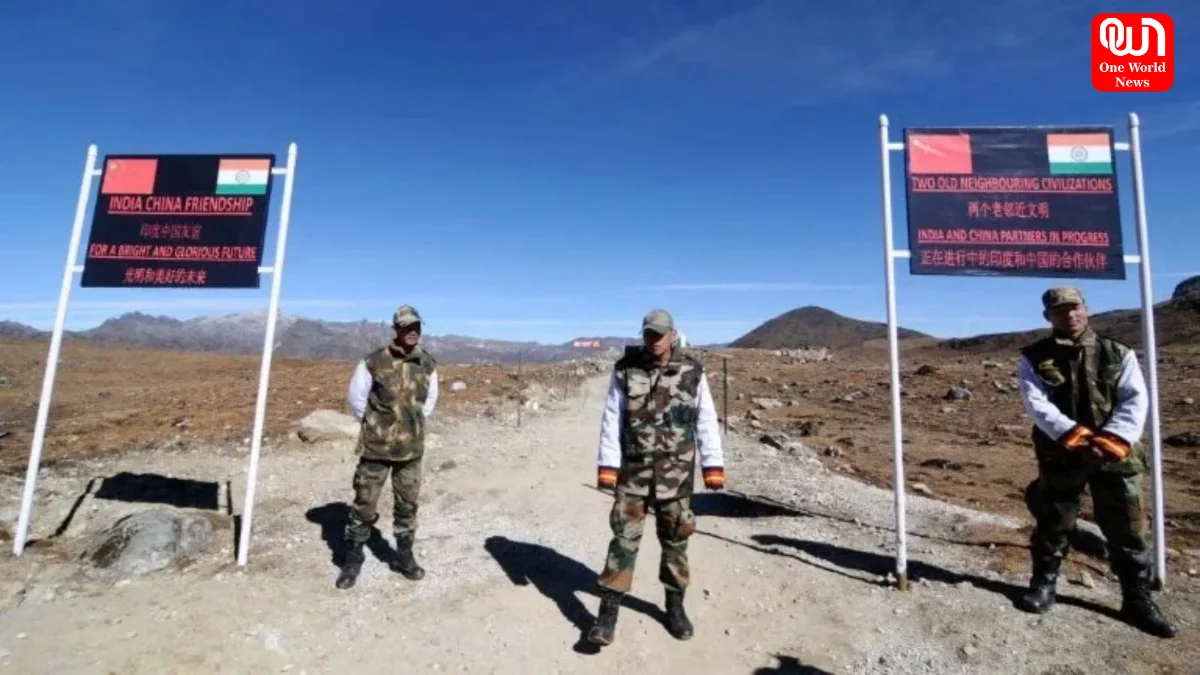
India–China Border Tension: What Is Really Happening in Arunachal Pradesh?
The India–China Border Tension has returned to the spotlight after India’s Indo-Tibetan Border Police (ITBP) chief confirmed that face-offs between Indian and Chinese troops are continuing at multiple locations in Arunachal Pradesh. The development has raised fresh questions about border security, military preparedness and the effectiveness of diplomatic talks between the two neighbouring countries.
On October 22, 2026, ITBP Director General Shatrujeet Kapur spoke about the continuing face-offs and praised the force’s specialised Shaurya commandos for their role in handling the situation. His remarks were followed by responses from India’s Ministry of External Affairs (MEA) and China’s Foreign Ministry, with both countries presenting different views on border patrolling activities.
So, what is actually happening along the border, what has China said, and why is the situation attracting political attention? Let’s understand the key developments.
1. What Did the ITBP Chief Say About the Border Situation?
On October 22, ITBP Director General Shatrujeet Kapur confirmed that Indian and Chinese forces had experienced face-offs at several locations along the Arunachal Pradesh frontier and that the situation was continuing.
His statement was significant because it publicly confirmed the ongoing military friction in the region. Reports had previously highlighted tensions around the Taksing area of Upper Subansiri district, where concerns about access to patrolling points had emerged.
Kapur also praised the performance of the ITBP’s newly raised Shaurya commando teams, which are trained for demanding high-altitude operations. He emphasised the need to strengthen the force’s capabilities to respond to evolving security challenges.
He also highlighted the importance of improving technological preparedness, including the use of drones and anti-drone systems, as military capabilities continue to develop.
2. What Is India’s Official Stand on India–China Border Tension?
Following the ITBP chief’s remarks, India’s Ministry of External Affairs explained that the border situation can become disturbed when Chinese forces move away from established patrolling patterns.
According to the MEA, both countries continue to use existing diplomatic and military mechanisms to address outstanding issues and prevent misunderstandings along the Line of Actual Control (LAC).
India has repeatedly emphasised that maintaining peace and tranquillity along the border is essential for the broader relationship between the two countries.
The government’s position highlights two important priorities: protecting India’s territorial interests and ensuring that local confrontations do not escalate into a wider military crisis.
Read more: India Calls for UNSC Reforms, Says Veto Power Must Not Serve Narrow Political Expediency
However, questions remain about the precise locations of the reported face-offs, the circumstances surrounding each incident and the progress of efforts to resolve the underlying disagreements.
3. What Did China Say on October 26?
China presented a different perspective on the India–China Border Tension. On October 26, Chinese Foreign Ministry spokesperson Guo Jiakun said that China follows the relevant agreements and understandings reached between the two countries.
He described China’s border patrols as normal activities intended to safeguard its territorial sovereignty and maintain stability in border areas. He also stated that India and China continue to communicate through diplomatic and military channels.
China urged India to work together with Beijing to implement existing understandings and maintain peace along the border.
The difference between the two positions is important. India has raised concerns about Chinese forces departing from established patrolling patterns, while China maintains that its patrols are routine and consistent with bilateral agreements.
These competing claims demonstrate why border management remains a sensitive issue, even when both countries publicly express support for peace.
4. What Is Sonam Wangchuk’s Connection to the Issue?
Sonam Wangchuk, the Ladakh-based climate activist and engineer, has previously raised concerns about border-related issues and the situation of local communities in Ladakh. His views have contributed to public discussions about border security, regional development and the concerns of people living in sensitive border areas.
However, a distinction is necessary: a verified, recent statement from Wangchuk specifically addressing the face-offs reported in Arunachal Pradesh has not been established in the sources reviewed for this article.
Therefore, it would be misleading to attribute a particular position on these latest incidents to him without reliable confirmation.
His broader concerns about border regions can be discussed separately, but they should not be presented as a direct response to the current Arunachal Pradesh developments unless a verified statement becomes available.
5. Why Does the Line of Actual Control Remain Sensitive?
The Line of Actual Control separates areas controlled by India and China, but the two countries have differing perceptions of certain sections of the boundary. These differences can make patrolling activities particularly sensitive.
When patrols enter areas claimed or patrolled by both sides, face-offs may occur. Even without a large-scale military confrontation, such incidents can create uncertainty and increase pressure on security forces.
Military-level meetings and diplomatic communication are intended to manage these situations, reduce misunderstandings and prevent escalation. Nevertheless, continuing face-offs indicate that communication alone does not necessarily resolve every disagreement on the ground.
For India, strengthening surveillance, improving troop preparedness and protecting access to established patrolling areas remain important security priorities.
6. What Happens Next?
The latest developments have renewed questions about the effectiveness of India–China border management and the need for greater clarity regarding the incidents in Arunachal Pradesh.
The immediate priority is to establish the circumstances of the reported face-offs, maintain communication between military authorities and prevent local confrontations from escalating.
Both countries have expressed support for maintaining peace, although their explanations of the border situation differ. The effectiveness of their diplomatic engagement will depend on whether those statements translate into practical steps on the ground.
Conclusion: Can India and China Maintain Peace Along the Border?
The India–China Border Tension in Arunachal Pradesh highlights the continuing challenges of managing a disputed and strategically important frontier. The ITBP chief’s confirmation of ongoing face-offs, India’s concerns about patrolling patterns and China’s defence of its patrol activities have brought the issue back into public discussion.
The central question is not simply what each country says, but whether both sides can reduce friction through clearer understandings, effective communication and consistent border management.
For now, the reported face-offs underline the importance of vigilance, military preparedness and sustained diplomatic engagement. Lasting peace along the LAC will require practical cooperation, not just statements of intent.
We’re now on WhatsApp. Click to join.
Like this post?
Register at One World News to never miss out on videos, celeb interviews, and best reads.