Political Short: Neha Singh Rathore vs ABP News – Why Did the Channel Apologise?
Political short on Neha Singh Rathore and ABP News: explore the false report, public apology, media accountability and questions over news credibility.


Political Short: Neha Singh Rathore and ABP News Controversy Explained | False News, Media Accountability and Journalism
Imagine waking up one morning to discover that a major news channel has connected your name to a scandal. Within minutes, people start sharing the story, judging you and questioning your reputation. Then, hours later, the channel issues an apology.
But here is the real question: Who takes responsibility for the damage caused before that apology arrives?
Hello, and welcome to One World News. Today, we’re discussing the controversy involving folk singer Neha Singh Rathore and ABP Network, and what it reveals about media accountability.
What Happened Between Neha Singh Rathore and ABP News?
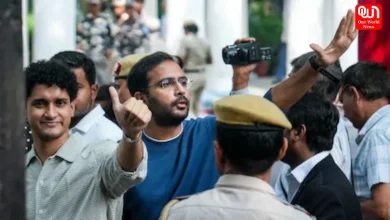
ABP Network’s digital platform published a report linking Neha Singh Rathore’s name to an alleged sex racket and a police raid at a hostel. Rathore objected strongly to the report, and the controversy quickly attracted public attention.
Following the backlash, ABP Network acknowledged that its digital report was factually incorrect and issued an apology.
The incident raises an important question: what happens when a news organisation publishes incorrect information about an identifiable person?
Why Does Media Accountability Matter?
Imagine forwarding one incorrect WhatsApp message. Your family might immediately ask you to check the facts.
Now imagine a major news organisation publishing a misleading report. Its reach can be much greater, and the consequences for the person involved can be far more serious.
A sensational headline can spread rapidly across social media. Screenshots can circulate even after the original report is corrected. Meanwhile, people who saw the first version may never see the apology.
That is why responsible journalism requires verification before publication, transparent corrections and accountability when mistakes occur.
The Political Angle: Remember ‘UP Mein Ka Ba?’
Neha Singh Rathore is known for songs such as UP Mein Ka Ba?, through which she has raised questions about employment, inflation, governance and public issues.
Her music has become part of wider political discussions because it uses folk performance to comment on issues affecting ordinary people.
Following the ABP controversy, questions have also emerged about whether public figures who criticise those in power receive fair treatment in media coverage.
However, an important distinction must be made: the available reporting does not establish that her songs caused ABP Network to publish the incorrect report. Questions about possible motives should be examined through evidence rather than assumptions.
Have Other News Channels Faced Similar Questions?
Yes. Previous cases demonstrate why accuracy and responsible reporting matter.
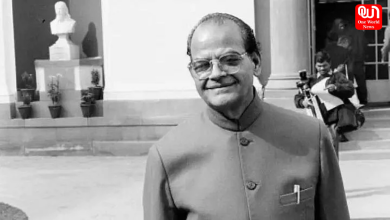
In 2017, the News Broadcasting Standards Authority directed Zee News to apologise to poet and scientist Gauhar Raza over a programme that used controversial labels against him. The authority also ordered a fine of ₹1 lakh.
Rea more: FDA Chief Tukaram Mundhe Shuts Down Food Counters at Mumbai’s INOX R City Mall: Report
In 2020, the authority directed Aaj Tak, Zee News, News 24 and India TV to issue apologies over aspects of their coverage of actor Sushant Singh Rajput’s death. Aaj Tak was also fined ₹1 lakh in a separate matter involving tweets attributed to the actor.
These cases involved different circumstances, but they highlight a common principle: news organisations are expected to follow standards of accuracy, fairness and sensitivity.
Is Saying Sorry Enough?
A correction and an apology are important steps, but they may not fully address the consequences of an inaccurate report.
News organisations should explain what went wrong, correct the original publication prominently and make reasonable efforts to ensure that audiences see the correction.
Where appropriate, independent review and established complaint procedures can also help determine whether further action is necessary.
The goal is not to prevent journalism from making mistakes altogether. It is to ensure that mistakes are addressed openly and that similar failures are less likely to happen again.
Outro: Who Takes Responsibility?
So, here is the question for you.
If a major news channel publishes incorrect information that damages someone’s reputation, is an apology enough? Or should the organisation also explain how the mistake happened and what steps it will take to prevent a repeat?
Share your thoughts in the comments.
Because the freedom to report comes with a responsibility to verify. A breaking headline may last a few seconds, but its consequences can last much longer.
Stay connected with One World News for more political shorts and media explainers.
We’re now on WhatsApp. Click to join.
Like this post?
Register at One World News to never miss out on videos, celeb interviews, and best reads.