TANISHA POLITICAL SHORT | OWAISI vs AKHILESH YADAV | UP ELECTIONS 2027
Akhilesh Yadav faces criticism from Asaduddin Owaisi over Muslim representation, family politics and the 2027 Uttar Pradesh Assembly elections.

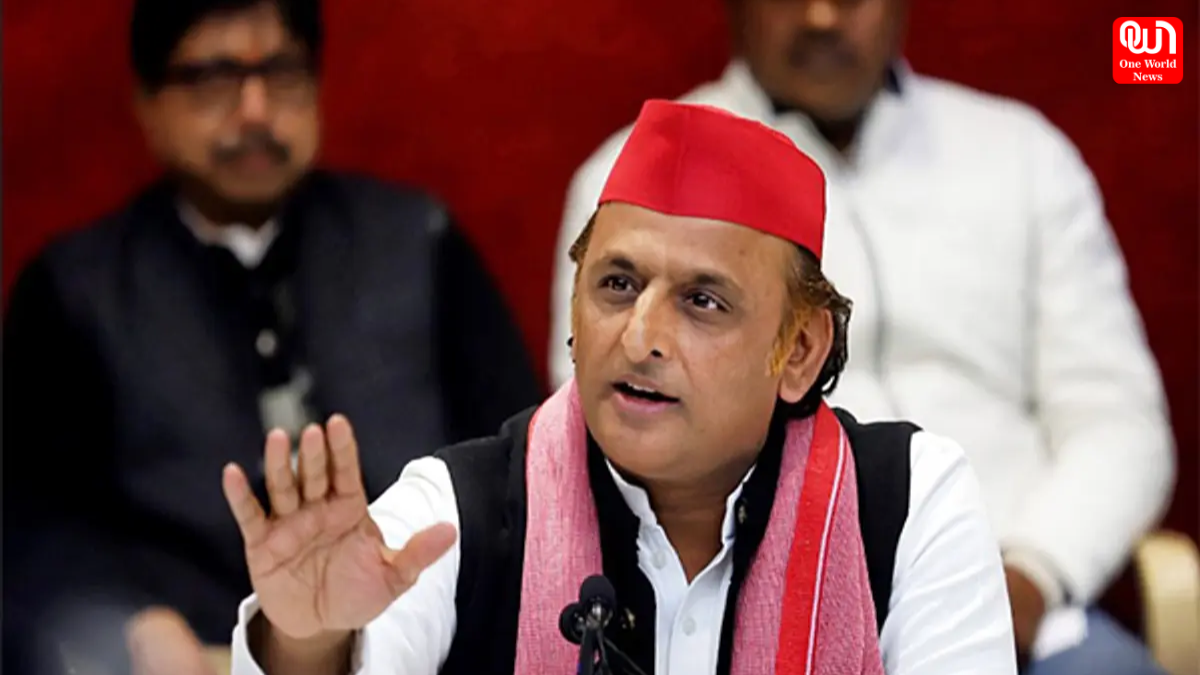
Akhilesh Yadav vs Asaduddin Owaisi: Why the ‘Samajwadi Yadav Parivar’ Remark Matters Before UP Elections 2027
With the 2027 Uttar Pradesh Assembly elections approaching, AIMIM chief Asaduddin Owaisi has launched a fresh political attack on Samajwadi Party president Akhilesh Yadav. Speaking at a public rally in Kairana on October 25, 2026, Owaisi suggested that the Samajwadi Party should change its name to “Samajwadi Yadav Parivar.” His remark has brought the questions of family politics, Muslim representation and opposition unity into the political spotlight.
The statement was part of Owaisi’s criticism of the Samajwadi Party’s leadership and its approach to political representation. He questioned whether the party provides sufficient opportunities for Muslim leaders, particularly in constituencies where Muslim candidates have previously won elections. The remarks were reported by NDTV and Moneycontrol on October 26, 2026.
Read more: Is BJP Changing the Political Game in Bihar?
Why Did Owaisi Target Akhilesh Yadav?
Owaisi’s central argument focused on what he described as the dominance of one political family within the Samajwadi Party. By using the phrase “Samajwadi Yadav Parivar,” he sought to challenge the party’s claim to represent broader social groups.
During his Kairana rally, Owaisi referred to Azamgarh and Firozabad. He argued that Muslim leaders had previously represented these constituencies, while members of Akhilesh Yadav’s family now hold prominent political positions associated with them.
His comments raised a broader question about the distribution of political opportunities within established parties. Should leadership and electoral tickets be opened to a wider range of communities, or should candidate selection depend primarily on political experience, local support and electoral strategy?
Owaisi has positioned AIMIM as a platform through which young Muslims and other underrepresented communities can pursue leadership roles. His criticism of Akhilesh Yadav reflects that political positioning, although the wider debate over representation remains contested.
Owaisi Brings Up the 2013 Muzaffarnagar Riots
Another major part of Owaisi’s speech concerned the 2013 Muzaffarnagar riots, which occurred when Akhilesh Yadav was Uttar Pradesh’s chief minister and the Samajwadi Party was in power.
Owaisi criticised the then state government over the violence and its consequences for affected families. He alleged that approximately 50,000 people were displaced from their homes and questioned the government’s handling of the crisis.
The reference brings a painful episode in Uttar Pradesh’s recent history back into political discussion ahead of the next Assembly election. The riots resulted in deaths, displacement and lasting disruption for many families.
However, Owaisi’s remarks should be understood as political criticism of the former government rather than as an independent assessment of every aspect of the events. The episode remains relevant to discussions about public safety, rehabilitation, accountability and the responsibilities of state authorities during communal violence.
What Does This Mean for Muslim Representation?
The dispute between Owaisi and Akhilesh Yadav highlights an important question: how effectively do political parties represent the communities they seek to include in their electoral coalitions?
The Samajwadi Party has long been associated with support among sections of the Muslim and Yadav communities. Its broader political messaging also includes the representation of backward classes, Dalits and minorities.
AIMIM, meanwhile, is attempting to establish a stronger political presence in Uttar Pradesh by emphasising minority representation and opportunities for new leaders. Owaisi’s criticism challenges the Samajwadi Party to explain how its political priorities translate into candidate selection and leadership opportunities.
At the same time, representation cannot be judged by a party’s candidate list alone. Voters may also consider legislative performance, local development, public services, security, employment and a candidate’s connection with the constituency.
Could the Dispute Affect UP Elections 2027?
The exchange comes as opposition parties prepare for the 2027 Uttar Pradesh Assembly elections. The relationship between AIMIM and the Samajwadi Party could become an important subject of discussion as parties consider alliances, seat-sharing arrangements and campaign strategies.
Owaisi has previously expressed willingness to work with opposition parties to prevent another BJP government in Uttar Pradesh. His latest criticism, however, underlines the disagreements that may complicate cooperation.
Critics of AIMIM’s independent electoral participation argue that competition between opposition parties could divide votes in closely contested constituencies. AIMIM’s supporters, on the other hand, may see a separate political platform as necessary for stronger representation.
The actual electoral impact will depend on candidates, alliances, constituency-level competition and voter priorities. It would be premature to conclude that this dispute will necessarily weaken one party or benefit another.
Conclusion: A Political Battle Beyond Personal Remarks
The Owaisi-Akhilesh Yadav dispute is about more than a proposed change to the Samajwadi Party’s name. It brings family politics, Muslim representation, the legacy of the Muzaffarnagar riots and opposition unity into the discussion ahead of the 2027 Uttar Pradesh elections.
Read more: JAGO VOTER JAGO | TATRA TRUCK CONTROVERSY: The Defence Procurement Questions That Shook India
Whether the controversy leads to a wider political realignment remains uncertain. The debate also raises questions about how parties select their candidates, share leadership opportunities and respond to the concerns of different communities.
As the election approaches, voters will have an opportunity to evaluate the parties’ records, promises and proposed policies. The coming months will reveal how these political disagreements shape campaign discussions across Uttar Pradesh.
Stay tuned to One World News for more political updates and developments ahead of the 2027 UP Assembly elections.
We’re now on WhatsApp. Click to join.
Like this post?
Register at One World News to never miss out on videos, celeb interviews, and best reads.