India Calls for UNSC Reforms, Says Veto Power Must Not Serve Narrow Political Expediency
India urges UNSC reforms, saying veto power must not serve narrow political interests, as Parvathaneni Harish calls for a fairer UN system.

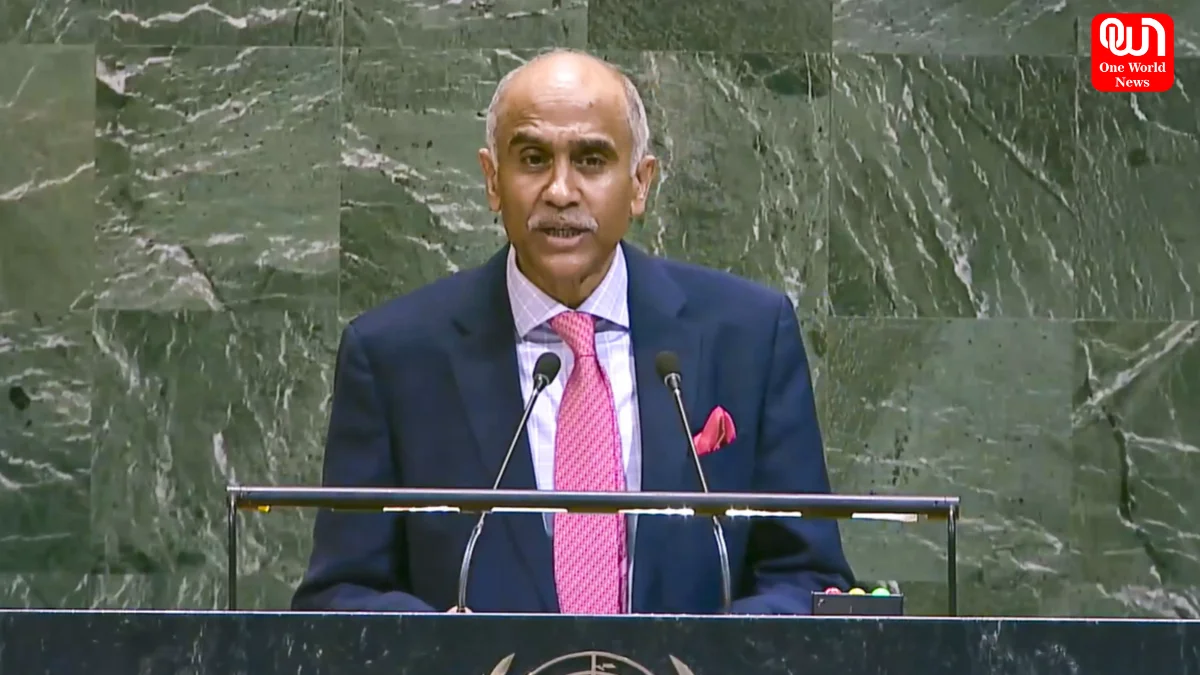
India UN Statement on UNSC Reforms: Parvathaneni Harish Says UN Security Council Veto Must Not Become an Instrument of Narrow Political Expediency
India Calls for Comprehensive UNSC Reforms
India has renewed its demand for comprehensive reforms of the United Nations Security Council (UNSC), stressing that veto power must be exercised responsibly and should not be used to serve narrow political interests. India’s Permanent Representative to the United Nations, Ambassador Parvathaneni Harish, raised the issue during discussions on the veto and the broader need to reform the international body’s decision-making structure.
The India UN statement highlighted the importance of making the Security Council more representative, accountable and effective in addressing international conflicts. India believes the existing system gives disproportionate influence to a small group of countries, raising concerns about fairness and the credibility of global decision-making.
New Delhi has consistently argued that UNSC reforms must address several interconnected issues, including membership expansion, regional representation, the Council’s size, working methods and the use of the veto.
India Questions the Use of UN Security Council Veto
The UN Security Council veto allows any of the five permanent members to block a substantive draft resolution, even when the other members support it. The five permanent members, commonly known as the P5, are China, France, Russia, the United Kingdom and the United States.
India maintains that this authority comes with significant responsibility, particularly when decisions concern international peace and security. Harish emphasised that the veto should be used with restraint rather than as an instrument of narrow political expediency.
The debate over veto power has intensified as disagreements among major powers have complicated international efforts to address conflicts and humanitarian emergencies. When permanent members use their vetoes to block resolutions, the Security Council can struggle to reach a collective response.
India’s position reflects its broader concern that political considerations should not undermine the United Nations’ primary responsibility to maintain international peace and security.
Why Veto Power Has Become a Major Reform Issue
The question of veto power has remained central to discussions about the future of the United Nations. Although the mechanism was established to protect the interests of major powers and encourage their participation in the international system, critics argue that it can also create deadlocks when permanent members disagree.
The UN General Assembly adopted a mechanism in 2022 requiring a meeting to be convened following a Security Council veto, allowing member states to discuss the decision. The initiative was intended to improve accountability and encourage countries exercising the veto to explain their positions.
However, India believes accountability measures alone cannot resolve the deeper structural problems affecting the Council. A meaningful solution requires changes to the institution’s composition and decision-making arrangements.
India therefore advocates reforms that address both the use of the veto and the unequal distribution of authority within the Security Council.
India Demands Text-Based Negotiations on UNSC Reforms
One of India’s key demands is the early commencement of text-based negotiations with clear timelines, milestones and defined objectives. New Delhi believes that prolonged discussions without concrete negotiating progress have slowed efforts to reform the Security Council.
India has called for all major reform issues to be addressed comprehensively. These include membership categories, veto arrangements, regional representation, the Council’s size and its working methods.
Read more: PM Modi Congratulates ‘Dear Friend’ Lula On Re-Election, Vows To Deepen India-Brazil Ties
According to India’s position, focusing exclusively on limiting veto power would not fundamentally change the decision-making dynamics of the P5. Instead, a comprehensive agreement is necessary to make the institution more representative and effective.
New Delhi has urged UN member states to move beyond exchanging statements and begin substantive negotiations capable of producing measurable outcomes.
India Opposes a Two-Tier Permanent Membership System
India has consistently argued that expanding only the non-permanent category would leave the fundamental imbalance in the Security Council unchanged. The Council currently has 15 members, comprising five permanent members and 10 elected members who serve two-year terms.
India supports expanding both categories of membership. It has also maintained that, if the veto continues to exist, all permanent members of a reformed Council should enjoy equal rights and responsibilities.
New Delhi opposes proposals that would establish a separate category of permanent members without veto rights, arguing that such an arrangement could create a two-tier system and perpetuate inequality.
India’s position also reflects the wider demand for fairer representation of developing countries, particularly those in Asia, Africa and Latin America.
Why UNSC Reforms Matter for Global Representation
The demand for UNSC reforms is closely linked to changes in global political and economic realities. The Security Council’s current structure reflects the international order that emerged after the Second World War in 1945.
India argues that the global landscape has changed significantly since then, making a more representative Council necessary. Many countries believe their influence in global decision-making does not adequately reflect their populations, contributions and contemporary importance.
Reforming the Council could strengthen trust among member states and improve its ability to respond to conflicts, security threats and humanitarian emergencies.
For India, meaningful reform is not simply about increasing the number of seats. It is about ensuring that the institution’s structure reflects present-day realities and that its decisions carry greater legitimacy across the international community.
What Lies Ahead for the United Nations Security Council?
The latest position articulated by Parvathaneni Harish reinforces India’s longstanding demand that reform cannot be achieved through isolated measures or prolonged discussions without clear outcomes. India wants member states to begin substantive negotiations and establish a practical roadmap for change.
Read more: SIT To Probe Rahul Gandhi’s Convoy Accident, Security Lapses On Purvanchal Expressway In UP
The question of veto power remains one of the most challenging aspects of the reform process because amendments to the UN Charter require extensive approval and ratification. Agreement among member states, including the permanent members, will therefore be crucial.
As discussions continue, India maintains that the Security Council must become more representative, transparent and accountable. The future of UNSC reforms will depend on whether member states can overcome political differences and agree on meaningful changes to the existing framework.
Ultimately, India believes the veto should serve the collective interest of international peace and security rather than narrow political priorities. Its call for reform reflects a broader demand for a United Nations that bett
We’re now on WhatsApp. Click to join.
Like this post?
Register at One World News to never miss out on videos, celeb interviews, and best reads.