
Creating a Dining Space That Brings the Family Back to the Table
choosing comfortable, practical dining tables and chairs that suit the way your family lives.

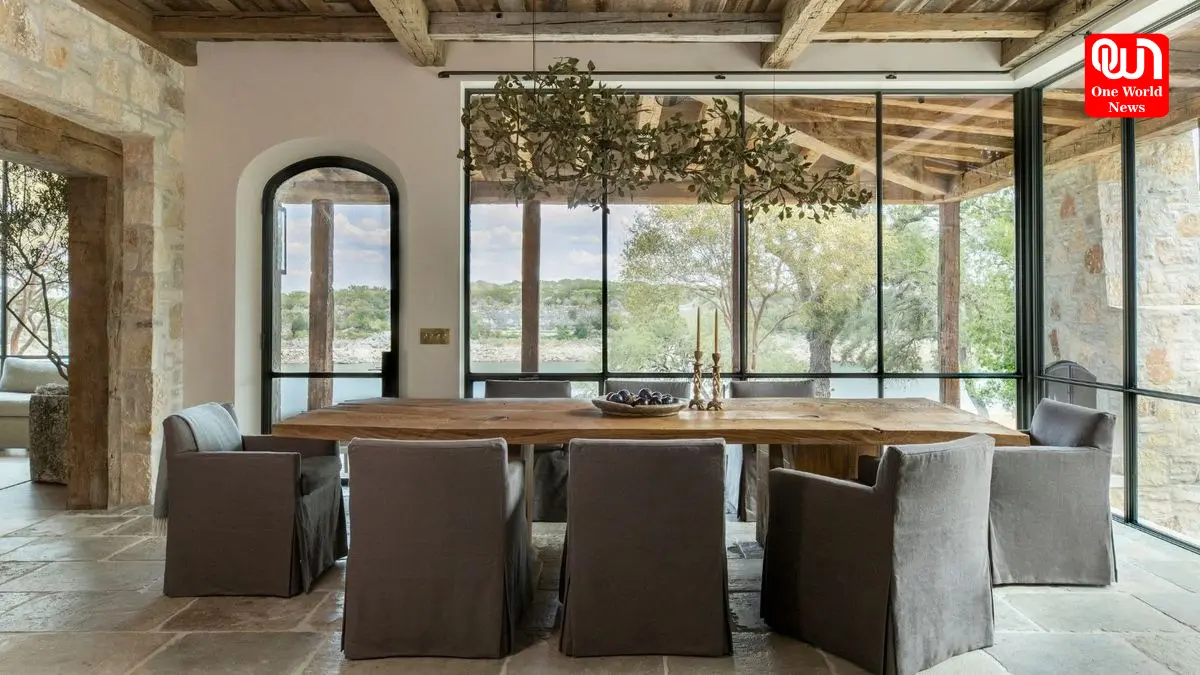
In many homes, the dining table has quietly become something else. A place to dump school bags and shopping. A makeshift home office. A collection point for unopened mail, half-finished craft projects and laundry waiting to be folded. Meanwhile, dinner happens on the couch in front of the television, at the kitchen bench in shifts or in separate rooms with everyone staring at their own screens.
There’s a growing desire among families to reclaim shared meals. Eating together offers a chance to slow down, talk, laugh and reconnect at the end of busy days. Creating a dining space that people genuinely want to use is a big part of making that happen, and it often starts with choosing comfortable, practical dining tables and chairs that suit the way your family lives.
Why family meals matter
Shared meals are about more than food. They create a regular opportunity for families to check in with one another, share stories and stay connected. For children, family meals can provide routine, a sense of security and a chance to develop conversation skills.
Eating together can also encourage healthier habits. Meals at the table are often more balanced and mindful than meals eaten on the run or in front of a screen.
Family meals don’t need to happen every night to be valuable. Even a few shared dinners or weekend breakfasts each week can make a difference.
Choosing the right table and chairs
The dining table is the heart of the space. Its size, shape and material influence how the room functions and feels.
Start by measuring the room. Allow enough space around the table for people to pull out chairs and move around comfortably. A table that’s too large can make the room feel cramped, while one that’s too small may leave people squeezed together.
Shape matters too. Rectangular tables suit longer rooms and larger families. Round tables encourage conversation, since everyone can see and hear each other easily, and they work well in smaller spaces. Extendable tables offer flexibility for families who entertain guests regularly.
Choose materials that suit your lifestyle. Solid timber is durable and timeless, while laminate or stone surfaces may be easier to clean. Families with young children may prefer finishes that resist scratches and spills.
Comfort is just as important as appearance. If chairs are uncomfortable, people won’t want to linger at the table. Look for supportive seats at the right height for the table. Upholstered chairs add comfort, though wipeable fabrics may be more practical for households with children. Benches can be a flexible, space-saving option, especially for younger kids.
Create an inviting atmosphere
A dining area should feel welcoming. Lighting plays a big role. A pendant light or chandelier above the table creates a focal point and helps define the space, particularly in open-plan homes. Dimmable lighting allows you to adjust the mood for everyday meals or special occasions.
Natural elements, such as plants, flowers or timber accents, add warmth. A simple centrepiece, like a vase of fresh flowers or a bowl of fruit, can make the table feel more inviting.
Rugs can help anchor the dining area and add softness, though choose one that’s easy to clean and large enough for chairs to remain on it when pulled out.
Personal touches, such as family photos, artwork or meaningful décor, can make the space feel uniquely yours.
Read More: How to Check if an Online Shopping Website Is Trustworthy
Keep it practical and make it a ritual
For a dining space to be used regularly, it needs to be functional. Storage solutions, such as sideboards, buffets or shelving, can keep tableware, linens and serving dishes close at hand. They also provide a home for items that might otherwise clutter the table.
Consider how the dining area connects to the kitchen. Easy access makes serving meals and clearing up more convenient.
If the table often doubles as a workspace or homework station, create a routine for clearing it before meals. Baskets or storage boxes can help.
Furniture alone won’t bring families together. Creating rituals and routines can make shared meals a habit. Set regular family meal times when possible. Encourage everyone to help with setting the table, cooking or clearing up. Put phones away and switch off the television to focus on conversation.
Conversation starters can help, especially with children or teenagers. Questions like “What was the best part of your day?” or “What’s something that made you laugh this week?” can spark discussion.
Weekend brunches, Sunday roasts or themed dinner nights can add variety and make meals something to look forward to.
A well-designed dining space can do more than serve meals. It can become a gathering place where families reconnect, share stories and build memories. By choosing comfortable furniture, creating a welcoming atmosphere and making shared meals a priority, you can bring your family back to the table and enjoy the simple pleasure of eating together.
We’re now on WhatsApp. Click to join.
Like this post?
Register at One World News to never miss out on videos, celeb interviews, and best reads.