5 Core Tasks a Caretaker for Patient at Home Handles During Recovery
Recovery after surgery or a serious illness is honestly one of the harder things a family navigates together. The hospital handles the procedure.

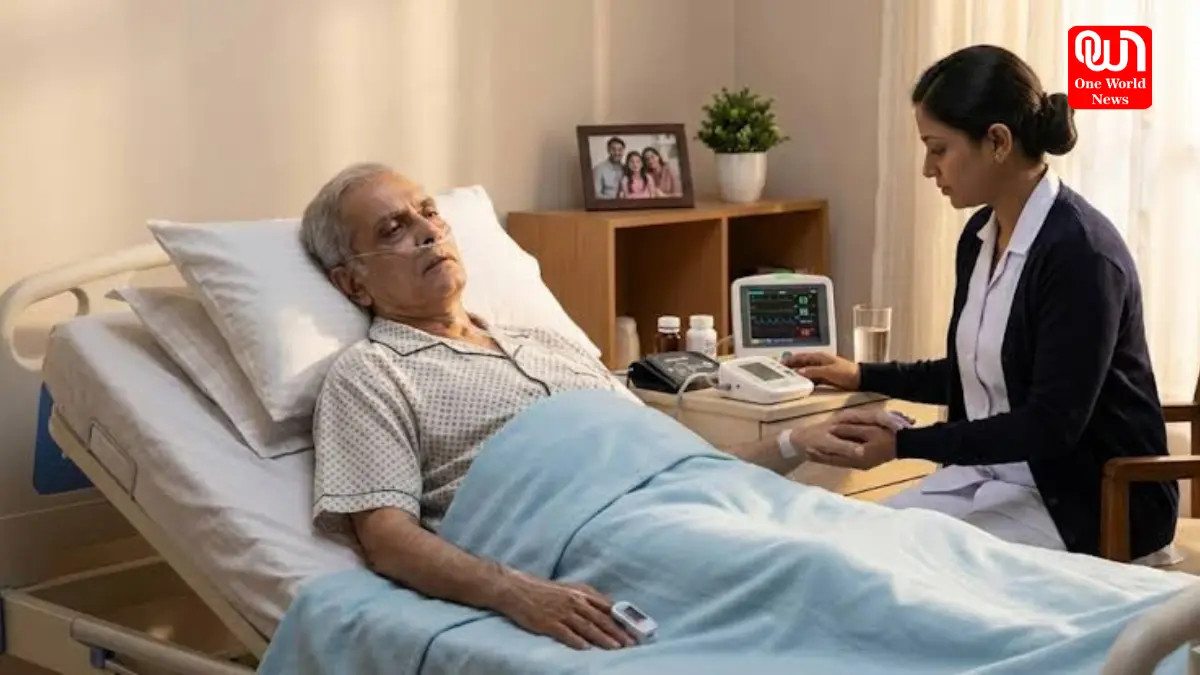
Recovery after surgery or a serious illness is honestly one of the harder things a family navigates together. The hospital handles the procedure. The doctors make the big calls. But everything that happens between discharge and actually getting better falls on whoever is home with the patient every single day.
Most families underestimate this until they are living it. The daily tasks are real, they are physical, and they need someone who actually knows what they are doing.
Here are five things a trained caretaker for patient at home genuinely handles through the recovery period.
1. Getting Through the Morning
The first hour of the day is the hardest for a recovering patient. The body has been still all night. Pain is often worst before medicines have had time to work. Getting out of bed, reaching the bathroom safely, managing a proper bath, getting dressed without putting strain on the surgical site. All of this needs careful, skilled assistance.
A trained caretaker handles this whole sequence without rushing. They know how to move a patient from lying to sitting to standing correctly. They assist with bathing in a way that keeps the wound area safe. The patient starts the day having been properly looked after rather than having struggled through alone.
Caretaker at home in Bangalore working with post-surgical patients consistently treat this morning window as the highest risk part of the day. Getting it right protects recovery.
2. Watching the Wound Every Day
A caretaker is not a nurse. But a trained one knows what a wound that is healing properly looks like, and more importantly, what it does not look like.
Every day they are checking. Is there redness that was not there yesterday? Is the swelling different? Does the wound look or smell different from the day before? These are observations that need to reach a nurse or doctor quickly. Because the caretaker sees the patient daily, they often catch changes that a weekly nursing visit would miss entirely.
3. Medicines Without Gaps or Errors
Post-surgery medication schedules are genuinely complicated. Pain medicines, antibiotics, blood thinners, supplements. Different times, different instructions. Some need food alongside them. Some need a gap between doses. A patient managing this alone while tired and in pain gets it wrong sometimes.
A caretaker for patient at home tracks all of this. Right medicine, right time, every day. They also notice things the patient brushes off. Nausea that keeps returning after a specific tablet. Unusual drowsiness after a dose. These observations get passed on to the family or doctor rather than quietly ignored.
4. Nutrition When Appetite Has Gone
Appetite disappears after surgery. Eating feels like effort. Nothing tastes right. But the body needs proper food and hydration to heal and skipping meals regularly sets recovery back more than most people realise.
A caretaker manages this with patience. Light appropriate meals at regular times. Enough water through the day. Gentle encouragement to eat without pressure. Watching what gets consumed and flagging to the family when intake has dropped too low. This steady nutritional support makes a real difference to how quickly the patient actually heals.
Read More: Why Sleep Matters: Understanding the Importance of Quality Rest
5. Being a Calm, Steady Presence
This task does not get listed enough. Recovery is mentally exhausting. Patients feel frustrated with their own limitations. They feel dependent in ways they are not used to. Some days they feel genuinely low without being able to explain it to anyone.
A caretaker who shows up every day with patience and warmth changes the whole environment of recovery. They do not need clinical answers for every question. What they bring is reliability and calm.
Research on post-discharge recovery in India shows nearly 15 to 20 percent of patients are readmitted within 30 days. Poor monitoring and gaps in daily care are among the leading reasons. A trained caretaker directly addresses both.
The practical tasks matter enormously. The emotional steadiness that comes with a good caretaker matters just as much. Families who have arranged proper caretaker support for a recovering patient say the same thing when they look back. The recovery just went better. And that is really the whole point.
Disclaimer: This article is general information only and is not medical advice for your specific recovery needs. Please follow your doctor’s post-discharge instructions and consult your healthcare team before making any caretaker arrangements at home.
We’re now on WhatsApp. Click to join.
Like this post?
Register at One World News to never miss out on videos, celeb interviews, and best reads.