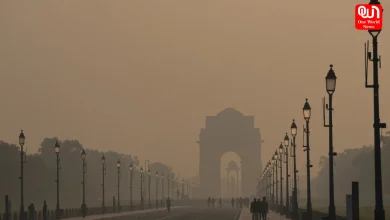
Pollution Pods: Australia Recreates Delhi’s Toxic Air to Highlight Health Risks to Heart, Brain and Lungs
Pollution Pods bring Delhi's toxic air to Australia, highlighting how dangerous air pollution can affect the heart, brain and lungs.

Australia Recreates Delhi’s Toxic Air in Pollution Pods: How Air Pollution Can Affect Your Heart, Brain and Lungs
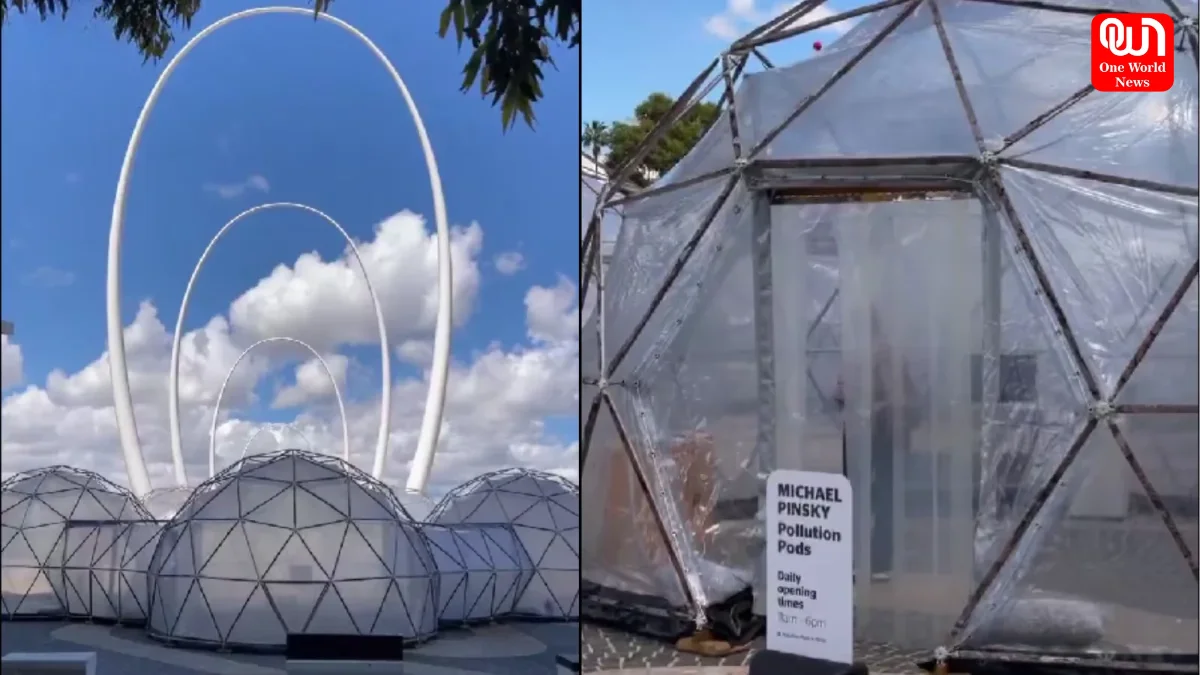
What if you could experience the pollution of Delhi without actually travelling to India? Australia has brought this unusual experience to life through Pollution Pods, an immersive environmental art installation that recreates the air quality conditions of some of the world’s major cities. Located at Elizabeth Quay in Perth, the installation allows visitors to experience the changing atmosphere, visibility, temperature and smell associated with Delhi, London, Beijing, São Paulo and Tautra in Norway. Created by British artist Michael Pinsky, the project aims to make people understand the seriousness of air pollution and its impact on human health. More importantly, it highlights how breathing polluted air every day can affect vital organs, including the heart, brain and lungs.
What Are Pollution Pods and Why Has Australia Recreated Delhi’s Air?
The Pollution Pods installation is a series of interconnected geodesic domes designed to simulate different atmospheric environments.
British artist Michael Pinsky created this project to help people experience air pollution rather than simply read about it through statistics and reports.
The latest installation was presented at Elizabeth Quay in Perth, Western Australia, from October 23 to November 1, 2026, with support from the Royal Automobile Club of Western Australia (RAC).
Visitors move through five different environments representing:
- Tautra, Norway: Relatively clean and fresh air.
- London: An urban atmosphere influenced by traffic-related pollution.
- New Delhi: Heat, haze and the smell associated with heavy urban pollution.
- Beijing: An atmosphere representing industrial and traffic-related emissions.
- São Paulo: An urban environment affected by different pollution sources.
As visitors move from one dome to another, they experience changing temperatures, humidity, visibility and smells.
The installation does not expose visitors to actual dangerous pollution concentrations. Instead, it uses carefully designed sensory effects to safely represent the experience of polluted environments.
Why Was Delhi Selected for the Pollution Pods Experience?
Delhi’s air pollution has become an internationally recognised environmental and public health concern.
During certain months, especially the post-monsoon and winter seasons, the national capital experiences worsening air quality because of multiple factors.
Vehicle emissions, construction dust, industrial activities, road dust, waste burning and seasonal agricultural fires contribute to the problem. Weather conditions such as low wind speeds can also prevent pollutants from dispersing.
The Delhi-inspired pod attempts to recreate the uncomfortable atmosphere associated with these conditions.
Its purpose is to help visitors understand that poor air quality is not simply an environmental issue. It is also a serious public health challenge affecting millions of people.
How Can Toxic Air Affect Your Lungs?
The lungs are among the first organs directly affected by polluted air.
Fine particulate matter, particularly PM2.5, is small enough to travel deep into the respiratory system. Repeated exposure can trigger inflammation and damage lung tissues.
Short-term exposure to polluted air may cause:
- Coughing and wheezing
- Throat and eye irritation
- Breathing difficulties
- Chest tightness
- Worsening asthma symptoms
Long-term exposure has been associated with reduced lung function, chronic obstructive pulmonary disease (COPD), respiratory infections and lung cancer.
Read more: Vimal Elaichi Ad Row: Ajay Devgn Challenges Maharashtra FDA Notice in Bombay High Court
Children are particularly vulnerable because their lungs are still developing. Older adults and people with existing respiratory conditions may also experience more severe symptoms.
How Does Air Pollution Affect Heart Health?
Air pollution does not stop affecting the body after entering the lungs. Some fine particles can cross into the bloodstream and contribute to inflammation and damage to blood vessels.
This can increase the risk of cardiovascular problems, particularly among people with existing heart conditions.
According to the World Health Organization (WHO), outdoor air pollution is associated with cardiovascular diseases, including heart disease and stroke.
Some major health concerns include:
1. Increased Heart Attack Risk
Exposure to fine particulate matter can contribute to inflammation and changes in blood vessel function, increasing cardiovascular stress.
2. High Blood Pressure
Long-term exposure to certain air pollutants has been associated with higher blood pressure and other cardiovascular problems.
3. Stroke Risk
Air pollution can affect blood vessels and circulation, increasing the risk of cerebrovascular events such as strokes.
These risks make clean air particularly important for older adults and individuals with existing cardiovascular conditions.
Can Air Pollution Damage Your Brain?
One of the less widely discussed consequences of air pollution is its potential impact on brain health.
Research increasingly suggests that exposure to fine particles and harmful gases can affect the nervous system.
Some very small particles and pollution-related biological responses can contribute to inflammation and oxidative stress, potentially affecting brain function.
Long-term exposure has been associated in research with:
- Increased risk of stroke
- Cognitive decline
- Neurological disorders
- Changes in brain development
- Possible links with dementia and depression
Children may be especially vulnerable because their brains are still developing.
Although research continues to investigate the exact mechanisms, evidence indicates that air pollution is not just a lung problem. Its effects can extend throughout the body.
Why Are Pollution Pods Important for Public Awareness?
The biggest objective of Pollution Pods is to turn an invisible environmental problem into a personal experience.
People often hear about AQI levels, PM2.5 concentrations and dangerous pollution warnings without fully understanding what those numbers mean in everyday life.
The installation uses smell, temperature, humidity and visibility to help visitors imagine the conditions experienced by people living in heavily polluted cities.
It also encourages discussions about transport choices, industrial emissions, urban planning and environmental responsibility.
By connecting art with science, Michael Pinsky’s installation makes air pollution a subject that people can experience and discuss.
Read more: Nita Ambani’s Birthday Look: Ivory Saree With Pink Florals and Statement Ruby Jewellery
How Can You Protect Yourself From Air Pollution?
Although individuals cannot control every source of pollution, certain precautions can help reduce exposure.
- Check local AQI levels before planning outdoor activities.
- Avoid outdoor exercise when pollution levels are high.
- Wear a well-fitted N95 mask when necessary.
- Keep indoor spaces clean and use an appropriately sized air purifier if available.
- Avoid smoking and burning waste or other materials indoors.
- Follow health advice, especially if you have asthma or heart disease.
Government action, cleaner transportation, industrial emission controls and better urban planning are equally important for improving air quality.
Conclusion: Pollution Pods Deliver an Important Message About Clean Air
The Pollution Pods installation in Australia offers more than an unusual artistic experience. By recreating the atmospheric conditions of cities such as Delhi and Beijing, it highlights the serious consequences of living with polluted air.
From respiratory diseases and cardiovascular problems to potential neurological effects, air pollution can influence several vital organs.
The project reminds visitors that clean air should never be taken for granted. Improving air quality requires cooperation between governments, industries, communities and individuals. After all, breathing clean air is not a luxury; it is a basic requirement for a healthy life.
We’re now on WhatsApp. Click to join.
Like this post?
Register at One World News to never miss out on videos, celeb interviews, and best reads.