How to Stay Hydrated Throughout the Day: Simple Tips to Stay Hydrated
Learn how to stay Hydrated throughout the day with simple water-drinking habits, healthy foods, and practical tips for better daily hydration.

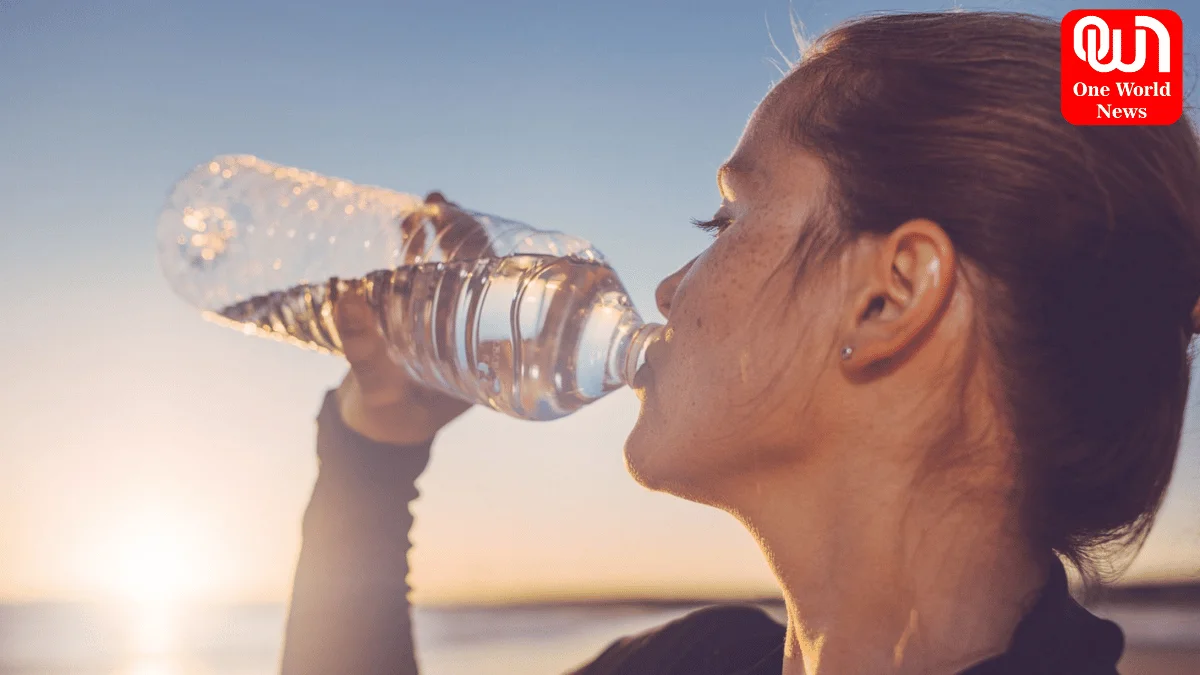
How to Stay Hydrated Throughout the Day
Staying Hydrated is an important part of maintaining everyday health and well-being. Water supports many essential functions in the body, including temperature regulation, digestion, circulation, and waste removal. However, busy schedules, hot weather, exercise, and simply forgetting to drink can make it easy to fall behind on fluids. Building simple hydration habits into your daily routine can make drinking enough fluids feel effortless rather than like another task on your to-do list.
Read more: Social Anxiety in Women: Simple Ways to Handle Social Gathering Overwhelm
Why Is Staying Hydrated Important?
The human body continuously loses water through breathing, sweating, urination, and bowel movements. Replacing those fluids helps the body maintain its normal functions. Adequate hydration supports temperature control, digestion, joint lubrication, and the removal of waste from the body.
Not drinking enough fluids can contribute to dehydration. Common signs may include thirst, tiredness, dizziness, dry mouth, darker urine, and urinating less frequently. During hot weather or periods of physical activity, the body can lose fluids more quickly, making regular hydration even more important.
Start Your Morning With Water
One of the easiest ways to develop a hydration routine is to drink water after waking up. Instead of waiting until you feel thirsty, keep a glass or bottle of water beside your bed or in a convenient location.
Starting your morning with water can also create a useful routine that reminds you to continue drinking throughout the day. You can then make hydration part of other regular activities, such as having water with breakfast.
Carry a Reusable Water Bottle
Keeping water within reach is one of the simplest ways to stay Hydrated. Carry a reusable bottle when you go to work, school, the gym, or while travelling.
Having a bottle nearby makes it easier to take regular sips instead of waiting until you become very thirsty. A marked bottle can also help you keep track of how much you have consumed during the day.
Drink Water Regularly Throughout the Day
Rather than drinking a large amount at once, make hydration a regular habit. Take small drinks between meals and have water with your meals. You can also connect drinking water with everyday activities, such as taking a break from work or returning home.
There is no single amount of fluid that works for everyone. Fluid needs can vary according to factors such as age, activity level, climate, pregnancy, breastfeeding, and overall health.
Eat Water-Rich Foods
Hydration does not come only from beverages. Foods can also contribute to your daily fluid intake. Fruits and vegetables such as watermelon, strawberries, melon, cucumber, and squash contain significant amounts of water.
Including these foods in meals and snacks can be an enjoyable way to support your overall fluid intake while also adding important nutrients to your diet.
Make Water More Enjoyable
If you find plain water boring, try adding natural flavors. Lemon, lime, cucumber, berries, mint, or other fresh ingredients can give water a refreshing taste without requiring sugary additions.
Sparkling water can also be an alternative for people who prefer fizzy drinks. Choosing water or other low-sugar beverages more often can help reduce your intake of added sugars.
Drink More During Exercise and Hot Weather
Physical activity and hot or humid conditions can increase fluid losses through sweating. When exercising, drink fluids regularly and pay attention to your body’s needs.
You may also need additional fluids when spending extended periods outdoors in hot weather. Carrying a water bottle and refilling it regularly can make it easier to maintain hydration during active days.
Pay Attention to Hydration Signs
Your body provides useful clues about hydration. Thirst can be one sign that you need fluids, while urine color can also provide a general indication. Pale or light-yellow urine is generally associated with adequate hydration, whereas darker urine can occur when you need more fluids.
However, hydration needs differ between individuals, so these signs should be considered alongside your activity level, environment, and health circumstances.
Choose Healthy Drinks
Water is an excellent everyday choice because it contains no calories. Other beverages, including unsweetened tea, coffee, milk, and some other drinks, can also contribute to total fluid intake. However, frequently consuming sugary drinks can add unnecessary calories and sugar to your diet.
Making water your regular beverage and keeping sugary drinks occasional can support healthier hydration habits.
read more: Rizal Day 2026: Date, History, Significance, and Ways to Celebrate
Create a Hydration Routine That Works
The best way to stay Hydrated is to make drinking fluids part of your normal routine. Keep water accessible, drink regularly, include water-rich foods in your meals, and increase your fluid intake when activity or weather causes greater fluid loss.
Remember that individual hydration needs can vary. People with certain medical conditions or specific fluid restrictions should follow advice from their healthcare professional. By developing consistent habits, staying Hydrated can become a simple and natural part of everyday life.
We’re now on WhatsApp. Click to join.
Like this post?
Register at One World News to never miss out on videos, celeb interviews, and best reads.