Diwali Pollution Alert: Delhi’s AQI Hits 349 as Air Quality Turns ‘Very Poor’
Diwali pollution raises concerns as Delhi's AQI hits 349, entering the very poor category. Know the causes, health risks and safety measures.

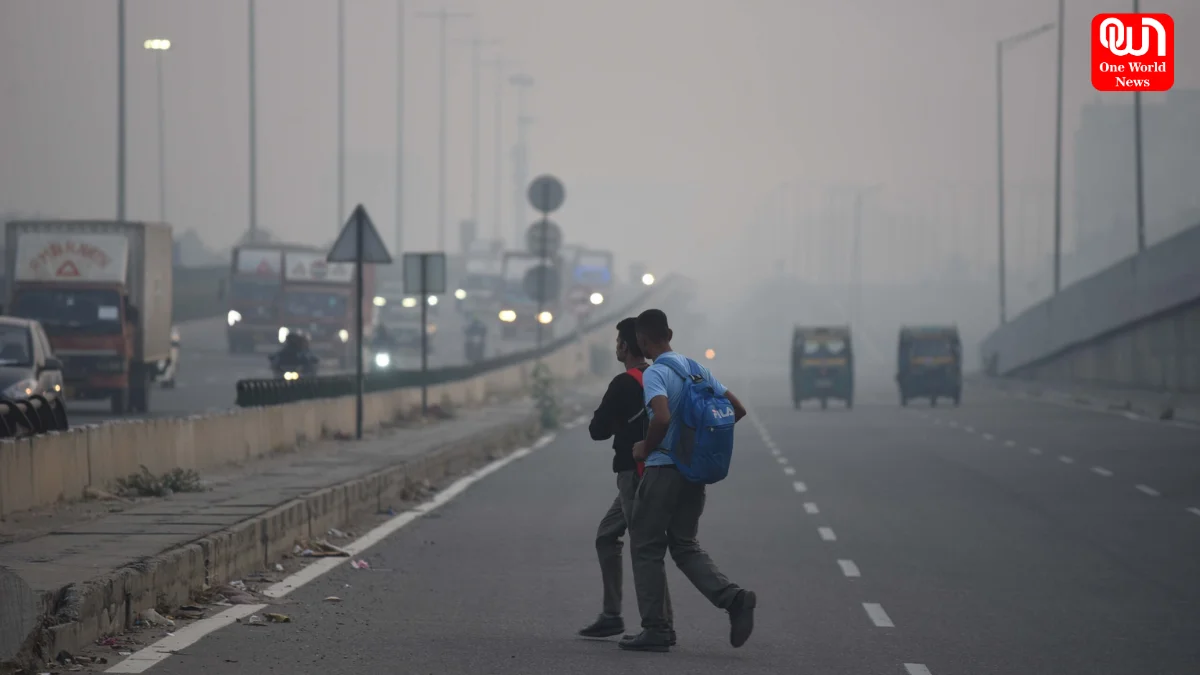
Diwali Week Begins With Delhi’s Air Turning ‘Very Poor’, AQI Hits 349
As the Diwali celebrations approach, Delhi residents are facing another serious environmental challenge. The national capital’s air quality has deteriorated sharply, with the AQI reaching 349 at monitoring locations such as ITO and Akshardham on November 2, 2026. The reading falls under the ‘Very Poor’ category, raising concerns about the health of residents ahead of the festival of lights. With Diwali scheduled for November 8, the worsening pollution situation has become an important concern for families, children, senior citizens and people with respiratory conditions. The sudden deterioration has also raised questions about whether the city’s existing pollution-control measures will be sufficient to prevent further air quality decline during the festive period.
Delhi AQI Reaches 349 as Air Quality Turns Very Poor
Delhi’s air pollution situation has worsened as the city enters the Diwali festive period. According to reports citing Central Pollution Control Board (CPCB) monitoring data, the AQI at Akshardham and ITO reached 349 on Monday morning.
The reading places these locations in the Very Poor category. Meanwhile, the overall city AQI stood at 314 at 10 AM, according to CPCB data reported by NDTV.
The deterioration comes after Delhi’s average AQI was recorded at 117 on Saturday, November 1, before rising to 261 on Sunday. This indicates how quickly air quality has changed over a short period.
The latest figures have raised concerns among residents who are preparing for shopping, outdoor activities and family celebrations ahead of Diwali.
Why Is Delhi’s Air Pollution Increasing Before Diwali?
Several factors contribute to the deterioration of air quality in Delhi during the post-monsoon and winter seasons.
Vehicular emissions, construction dust, industrial activities, road dust and waste burning are among the major sources of pollution. Weather conditions also play an important role.
During winter, slower wind speeds and lower temperatures can prevent pollutants from dispersing effectively. As a result, harmful particles remain concentrated near the ground and contribute to smog formation.
Stubble burning in neighbouring states, including Punjab and Haryana, can also influence Delhi-NCR’s pollution levels when winds carry smoke towards the national capital.
Read more: Delhi Pollution Alert: 50% Work From Home, Construction Ban From November 5 to 20
According to reports, northwesterly winds have contributed to the movement of pollutants towards Delhi. The combined impact of local emissions and weather conditions has made the situation more challenging.
Delhi-NCR Pollution: Several Areas Record High AQI
The pollution problem is not limited to one neighbourhood. Several monitoring stations across Delhi have reported poor or very poor air quality.
According to CPCB figures reported on November 2, the following locations recorded elevated AQI readings:
- Akshardham: 349
- ITO: 349
- R.K. Puram: 370
- India Gate and Janpath: 335
- Dwarka Sector 8: 357
- Sirifort: 354
- Alipur: 382
These readings show that pollution is affecting multiple parts of the national capital.
Neighbouring areas such as Noida, Gurugram and Ghaziabad are also experiencing air quality concerns. The wider Delhi-NCR region remains vulnerable to seasonal pollution because emissions and weather conditions affect the entire region.
What Does AQI 349 Mean for Delhi Residents?
The Air Quality Index is used to communicate the level of air pollution and its possible health effects.
According to India’s AQI classification:
- 0–50: Good
- 51–100: Satisfactory
- 101–200: Moderate
- 201–300: Poor
- 301–400: Very Poor
- 401–500: Severe
An AQI of 349 indicates very poor air quality. Prolonged exposure can cause respiratory discomfort, coughing, breathing difficulties and irritation in the eyes and throat.
People with asthma, lung conditions and heart-related illnesses may face additional health risks. Children and older adults should also take precautions because they can be more vulnerable to polluted air.
Delhi Government Activates Winter Pollution Control Measures
With pollution levels rising, Delhi’s winter pollution-control measures have also come into effect from November 1.
The Graded Response Action Plan (GRAP) Stage II applies when AQI remains in the Very Poor range of 301–400. It includes additional measures to control dust, traffic emissions and other pollution sources.
The winter action measures include restrictions on dust-generating construction activities, enhanced road cleaning, monitoring of pollution hotspots and steps to discourage unnecessary private vehicle use.
Authorities have also introduced stricter vehicle-related checks and enforcement measures to reduce emissions.
According to NDTV, enforcement teams checked nearly 15,000 vehicles on the first day of implementation, turned back 1,539 vehicles at border points and issued 566 challans for Pollution Under Control Certificate violations.
These measures are intended to reduce pollution during the months when Delhi traditionally experiences deteriorating air quality.
How Can People Protect Themselves From Delhi’s Toxic Air?
With the AQI entering the Very Poor category, residents should take practical precautions to reduce their exposure to polluted air.
Here are some important steps:
- Avoid unnecessary outdoor activities, particularly during periods of high pollution.
- Wear a well-fitted N95 mask when outdoor exposure cannot be avoided.
- Keep windows closed during periods of heavy pollution.
- Use an appropriately sized air purifier indoors if available.
- Avoid outdoor exercise when pollution levels are high.
- Follow official AQI updates before planning outdoor activities.
People experiencing breathing difficulties or other concerning symptoms should seek medical advice.
Conclusion: Will Delhi’s AQI Improve Before Diwali?
The worsening AQI has created fresh concerns as Delhi prepares for Diwali 2026. With readings reaching 349 at important monitoring locations, residents are facing the challenge of celebrating the festival while dealing with unhealthy air.
Read more: Delhi Police Security: 250 CCTV Cameras and AI Surveillance for INDIA Bloc Rally at Ramlila Maidan
Although the government has introduced winter pollution-control measures, their effectiveness will depend on consistent implementation, public cooperation and coordination across Delhi-NCR.
As Diwali approaches on November 8, controlling vehicle emissions, construction dust, waste burning and firecracker pollution will remain important priorities.
The festival of lights should bring happiness and celebrations, not breathing difficulties and health concerns. Stay connected with One World News for the latest Delhi pollution updates, AQI reports and Diwali news.
We’re now on WhatsApp. Click to join.
Like this post?
Register at One World News to never miss out on videos, celeb interviews, and best reads.