Can AI Personalise Menopause Care? How Technology Can Transform Women’s Health
Discover how AI for Menopause Management, hormone tracking apps and digital tools can personalise symptom monitoring and improve women's health.

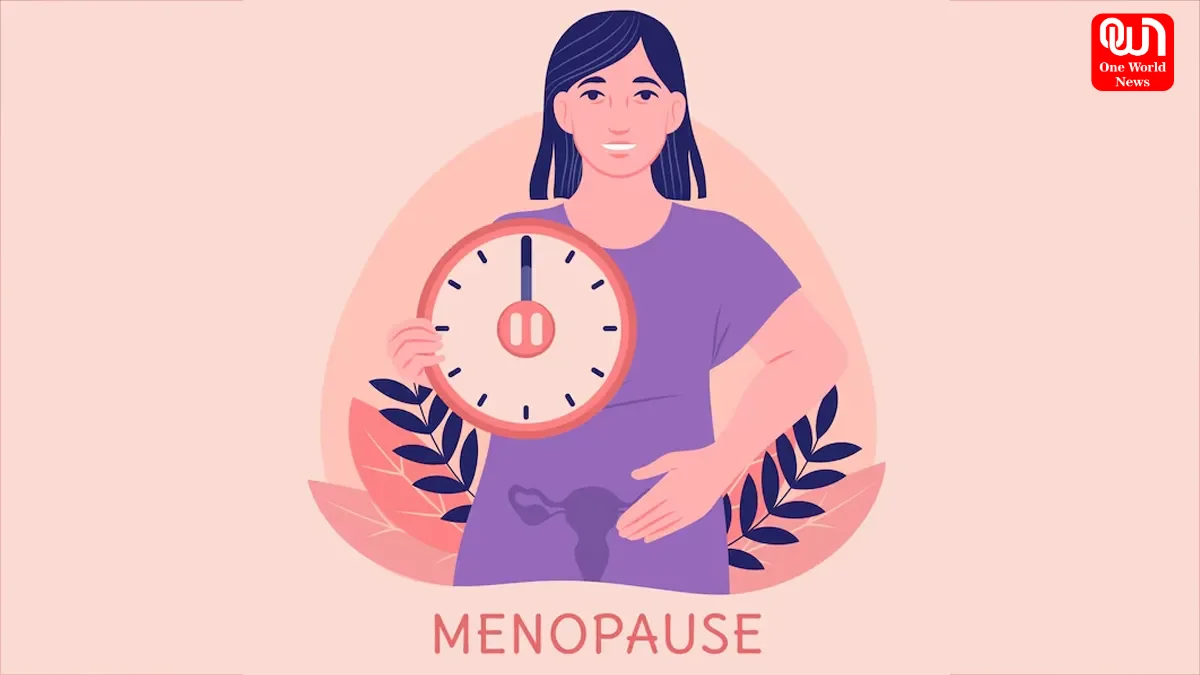
Can AI Personalise Menopause Care? Exploring How AI for Menopause Management, Hormone Tracking AI Apps, and Digital Tools for Menopause Relief Can Transform Women’s Health
Menopause is a natural stage of life, but its symptoms can affect women differently. Hot flashes, night sweats, mood changes, sleep disturbances, and fatigue can influence daily routines and overall well-being. Finding the right support can sometimes be challenging because symptoms vary from person to person.
Artificial intelligence (AI) could help make menopause care more personalised by analysing health information, identifying symptom patterns, and supporting conversations with healthcare professionals. Although this technology is still developing, AI for Menopause Management has the potential to make women’s healthcare more accessible, informed, and responsive to individual needs.
How AI Can Personalise Menopause Care
Traditional menopause care often depends on consultations, medical history, and patients’ descriptions of their symptoms. AI-powered systems could complement these methods by analysing information collected over time.
For example, an application might examine sleep quality, activity levels, mood records, and reported hot flashes to identify recurring patterns. These insights could help women understand when symptoms occur and which lifestyle factors may influence them.
Personalised insights may also help healthcare professionals assess symptom trends and discuss suitable management options. However, AI recommendations should support, rather than replace, professional medical judgement.
Hormone Tracking AI Apps for Better Symptom Monitoring
Hormonal changes during perimenopause and menopause are complex, and hormone levels do not always correspond directly to symptom severity. This makes ongoing symptom monitoring particularly useful.
Hormone Tracking AI Apps could combine daily symptom diaries with information from compatible wearable devices, including sleep duration, heart rate, and activity levels. Some applications may identify patterns that are difficult to notice through occasional observations.
These tools should not be confused with direct hormone testing. Most consumer wearables cannot reliably measure reproductive hormone levels themselves. Instead, they may help users track physiological changes and reported symptoms, while clinical testing is considered when medically appropriate.
AI Hormone Coach for Women: Supporting Everyday Decisions
An AI Hormone Coach for Women could offer educational guidance based on individual symptom records and stated preferences. For instance, it might suggest discussing persistent sleep problems with a healthcare professional or encourage users to maintain consistent sleep routines.
Conversational AI tools may also answer general questions about menopause, explain common symptoms, and help women prepare for medical appointments.
However, these systems must provide reliable, evidence-based information and clearly communicate their limitations. They should not independently diagnose hormonal disorders, prescribe medication, or recommend changing prescribed treatment without medical supervision.
Managing Hot Flashes with Tech
Hot flashes and night sweats are among the most recognised menopause symptoms. They can interrupt sleep, affect concentration, and create discomfort at work or during social activities.
Managing Hot Flashes with Tech could involve combining symptom logging with wearable sensors and environmental information. Over time, an application might help users explore whether particular situations, temperatures, activities, or personal triggers are associated with their symptoms.
Digital reminders may also encourage relaxation exercises, hydration, and practical cooling strategies. Nevertheless, patterns identified by an app do not prove that a particular trigger causes a hot flash. Women experiencing frequent or disruptive symptoms should discuss evidence-based treatment options with a qualified healthcare professional.
Digital Tools for Menopause Relief and Better Sleep
Digital Tools for Menopause Relief can extend beyond symptom tracking. Mobile applications may provide educational resources, guided mindfulness, cognitive behavioural techniques, physical activity programmes, and sleep-management strategies.
AI could help organise these resources around a user’s reported needs. Someone experiencing sleep difficulties might receive sleep-focused educational content, while another person dealing with stress may benefit from relaxation exercises.
Research into digital menopause interventions is encouraging, although effectiveness varies between programmes and outcomes. Technology should therefore complement appropriate clinical care rather than promise guaranteed relief.
Challenges and Limitations of AI in Women’s Health
Despite its potential, AI-based menopause care faces several challenges. Research datasets may be small, inconsistent, or unrepresentative of women from different backgrounds. As a result, some tools may perform less accurately for certain populations.
Privacy is another important concern because menstrual history, symptoms, and other health information are highly personal. Users should check how applications collect, store, and share their data.
Additionally, AI-generated guidance can be inaccurate. Medical professionals must remain involved in diagnosis and treatment decisions, and developers need to validate their systems using high-quality clinical evidence.
Read more: Gold and Silver Prices Today, 17 October 2026 | One World News
Conclusion
AI could transform menopause care by helping women monitor symptoms, recognise personal patterns, access educational resources, and prepare for informed medical discussions. From hormone tracking applications to personalised digital coaching, emerging technology offers promising ways to make women’s healthcare more responsive.
However, the future of AI for Menopause Management depends on clinical validation, privacy protection, inclusive research, and responsible implementation. When used alongside professional medical advice, digital innovation may help women navigate menopause with greater knowledge, confidence, and support.
We’re now on WhatsApp. Click to join.
Like this post?
Register at One World News to never miss out on videos, celeb interviews, and best reads.