JAGO VOTER JAGO | 1995 JMM CASH-FOR-VOTES CASE: How India’s Political Scandal Changed the Debate on Parliamentary Immunity
Explore the 1995 JMM cash-for-votes case, alleged bribery during the 1993 trust vote, parliamentary immunity and the landmark 2024 Supreme Court ruling.

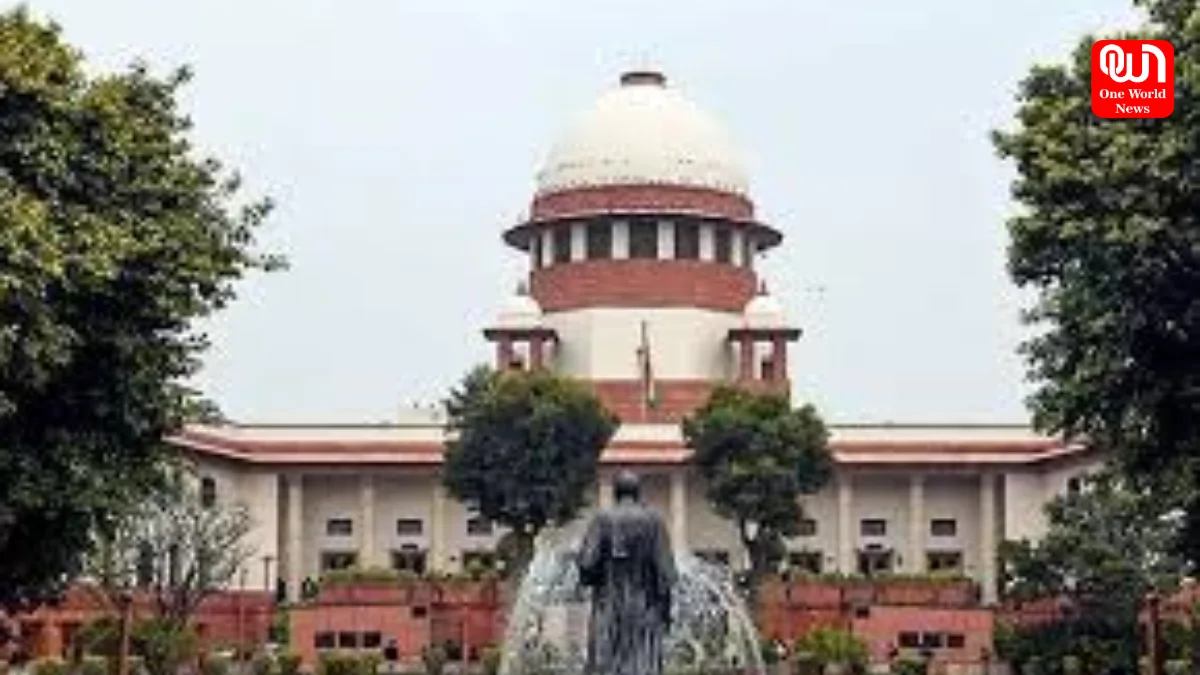
JAGO VOTER JAGO: 1995 JMM CASH-FOR-VOTES CASE Explained — The 1993 No-Confidence Motion, Alleged Bribery of MPs, the 1998 Supreme Court Verdict and the Historic 2024 Judgment
The 1995 JMM CASH-FOR-VOTES CASE remains one of the most significant political and constitutional controversies in India’s parliamentary history. It is associated with allegations that certain Members of Parliament accepted bribes to help the Congress-led government of then Prime Minister P. V. Narasimha Rao survive a no-confidence motion in 1993. The controversy raised serious questions about political corruption, parliamentary privileges and the accountability of elected representatives. It also led to an important legal debate that continued for decades, culminating in a landmark Supreme Court judgment in 2024.
What Was the JMM Cash-for-Votes Case?
The controversy dates back to July 1993, when the government of Prime Minister P. V. Narasimha Rao faced a no-confidence motion in the Lok Sabha. The Congress-led government was a minority government and needed support from other lawmakers to remain in power. On July 28, 1993, the motion was defeated, with 251 members voting in favour of it and 265 voting against it.
Following the vote, allegations emerged that some MPs had accepted money to vote against the motion and help the government survive. Several Jharkhand Mukti Morcha (JMM) MPs, including Shibu Soren, Suraj Mandal, Simon Marandi and Shailendra Mahto, became central figures in the controversy. The allegations led to criminal proceedings and a wider debate about whether legislators could claim constitutional immunity when accused of accepting bribes connected with their parliamentary votes.
How Much Money Was Involved in the Allegations?
The case involved allegations of payments running into crores of rupees. Some accounts referred to approximately Rs 3.5 crore in connection with the alleged transactions, although reported figures can vary depending on the particular allegation and transaction being discussed. These amounts should not be interpreted as proof that every person named in the controversy received a specific sum. The central issue was whether money had been used to influence a parliamentary vote that should have reflected the independent judgment of elected representatives.
Read more: Delhi ACP Accused Of Sexual Harassment Alleges Casteist Remarks By Journalist; FIR Registered
The allegations attracted widespread public attention because the no-confidence motion concerned the survival of the central government. For many observers, the controversy highlighted the potential consequences of political horse-trading and raised concerns about transparency in government formation.
The 1998 Supreme Court Verdict on Parliamentary Immunity
In 1998, the Supreme Court examined the scope of parliamentary privilege in P. V. Narasimha Rao v. State (CBI/SPE). The key question was whether MPs could claim immunity from criminal prosecution for bribery connected with their votes in Parliament.
The majority ruling interpreted Article 105 of the Constitution as providing protection to certain legislators who had accepted bribes and subsequently voted in accordance with the alleged arrangement. This interpretation became controversial because it appeared to distinguish between lawmakers who cast the promised vote and those who did not.
Critics argued that parliamentary privilege was designed to protect legislators’ freedom of speech and voting, not to shield corruption. The judgment consequently remained an important subject of constitutional debate for more than two decades.
The Historic 2024 Supreme Court Judgment
On March 4, 2024, a seven-judge Constitution Bench of the Supreme Court, headed by Chief Justice of India D. Y. Chandrachud, unanimously overturned the majority interpretation established in 1998.
The ruling came in Sita Soren v. Union of India, a case involving allegations concerning a Rajya Sabha election in Jharkhand. The Court clarified that MPs and MLAs cannot claim constitutional immunity from prosecution for accepting bribes in connection with their speeches or votes in the legislature.
The judges emphasised that bribery is not protected by parliamentary privilege under Articles 105 and 194 of the Constitution. The judgment reinforced the principle that constitutional protections cannot be used to shield lawmakers from criminal proceedings relating to bribery. It marked a significant development in India’s approach to legislative accountability and corruption.
Why Is the JMM Cash-for-Votes Case Important for Voters?
The controversy remains relevant because democracy depends on public trust, transparency and accountability. Citizens elect representatives to debate laws, make decisions and work in the public interest. Allegations that money influenced a parliamentary vote undermine confidence in these responsibilities.
The case also highlights the limits of parliamentary privilege. Legislators need constitutional protection to speak and vote freely, but such protection does not make bribery lawful. The 2024 judgment clarified this distinction and strengthened the principle that elected representatives remain accountable under the law.
For voters, the lesson is to look beyond campaign speeches and political promises. Checking candidates’ backgrounds, following parliamentary proceedings and demanding clear answers about public decisions can help citizens make informed choices. At the same time, allegations must be distinguished from proven findings, and every individual is entitled to due process under the law.
Read more: Jammed Rifle, Taco Bell Co-Worker: How US Teen’s Hindu Temple Attack Plot Was Foiled
Jago Voter Jago: The Message for India’s Democracy
The message behind Jago Voter Jago is simple: democracy does not end when citizens cast their ballots. It also requires them to remain informed, question their representatives and demand transparency. The JMM cash-for-votes controversy demonstrates why the integrity of parliamentary decisions matters for the entire country.
The 1993 political crisis, the 1998 Supreme Court verdict and the landmark 2024 judgment form important chapters in India’s constitutional history. Together, they highlight the continuing struggle to balance legislative independence with accountability for alleged criminal conduct.
Ultimately, an informed voter is one of democracy’s strongest safeguards. Citizens should examine political records, ask difficult questions and expect elected representatives to act responsibly. Jago Voter Jago — because public power belongs to the people, and accountability is essential to protecting democracy.
We’re now on WhatsApp. Click to join.
Like this post?
Register at One World News to never miss out on videos, celeb interviews, and best reads.