
KAAM KI BAAT – EPISODE 2: Cancelled Exam, Broken Dreams – Who Is Accountable for Students’ Lost Time?
Cancelled exam, paper leak allegations and student stress raise urgent questions about exam accountability, lost preparation time and student welfare.

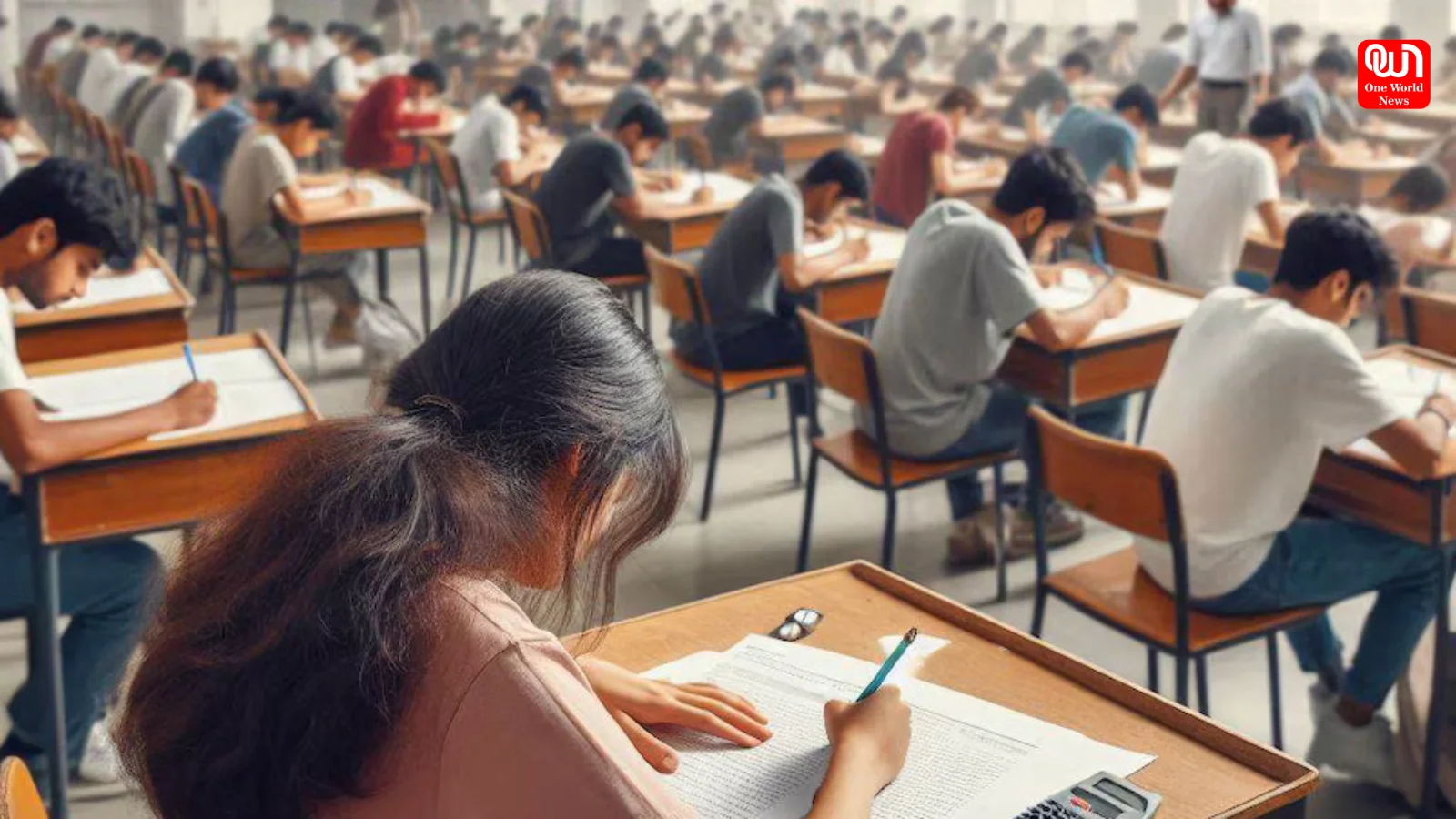
Cancelled Exam in India: SSC GD Mismanagement, NEET Paper Leak Allegations, Student Mental Health and the Urgent Need for Examination Accountability | Kaam Ki Baat Episode 2
Listen carefully. These are not the voices of politicians or officials. These are the voices of students whose futures depend on an examination.
“When will the exam be conducted again?” “What was our fault?” “We spent so much money on coaching. What do we do now?”
For a student, an examination is never just an examination. It represents months, sometimes years, of preparation, coaching fees, sacrifices, family expectations and an entire future planned around one examination date.
In Kaam Ki Baat Episode 2, we examine an important question: When examination systems fail, why must students pay the price?
SSC GD Exam Cancellation: When Centre Management Goes Wrong
In May 2026, an SSC GD recruitment examination at a centre in Kanpur faced serious management problems. The centre had a seating capacity of approximately 399 candidates per shift, but admit cards were issued to around 819 candidates per shift. Both examination shifts were subsequently cancelled following overcrowding and disruption.
The incident raises questions about examination centre verification, candidate allocation and administrative accountability.
For candidates who travelled from distant locations, cancellation meant more than disappointment. It potentially involved additional travel expenses, lost preparation time and uncertainty about the next examination date.
Importantly, this incident concerned centre management and overcrowding. It should not automatically be described as a paper leak.
NEET Paper Leak Allegations: An Investigation That Demands Answers
The NEET-UG 2026 examination also became the subject of a CBI investigation following allegations of question-paper leakage and irregularities.
According to the Ministry of Home Affairs, the CBI registered a case on May 12, 2026, to investigate alleged unauthorised circulation of examination-related documents before the test.
In July 2026, the CBI filed a chargesheet naming 13 accused in connection with the alleged paper leak. The allegations include criminal conspiracy involving individuals associated with examination preparation and distribution networks. The matter remains subject to legal proceedings.
For NEET aspirants, the consequences extend beyond the investigation itself. Students need confidence that their preparation, performance and opportunities are protected by a fair examination process.
CBSE Fake Paper Leak Rumours: When Misinformation Creates Panic
Not every examination-related controversy involves an actual paper leak.
During the 2026 CBSE board examinations, the board issued an advisory warning students and parents against fake question-paper leak claims circulating on social media.
CBSE cautioned that unverified information could create unnecessary anxiety and confusion during examinations.
This highlights another challenge: examination authorities must address genuine irregularities while communicating quickly and transparently to prevent misinformation from spreading.
The Hidden Cost of a Cancelled Exam on Students
Imagine preparing for an examination for an entire year. You wake up early, study late into the night, attend coaching classes and organise your life around a single date.
Then suddenly comes the announcement:
Exam postponed. Exam cancelled. Re-examination. Investigation. Court proceedings. Uncertainty.
For students, this is not simply a change in the calendar. It can mean restarting their preparation mentally, financially and emotionally.
Families may have already invested significant amounts in coaching, accommodation, travel and study materials.
The uncomfortable question is straightforward: If the mistake belongs to the system, why should the student bear its consequences?
Student Suicides in India: Understanding the Numbers Responsibly
Student mental health deserves serious attention, particularly when discussing academic pressure and examination uncertainty.
According to NCRB figures reported in 2026, India recorded 14,488 student suicides in 2024, compared with 13,892 in 2023, representing an increase of approximately 4.3%.
These figures highlight a significant concern, but they must be interpreted responsibly. Not every student suicide is caused by examination pressure, paper leaks or academic failure.
NCRB records multiple contributing circumstances, and individual tragedies cannot be reduced to a single explanation.
The discussion must therefore include accessible counselling, early mental-health support, supportive families and educational institutions that recognise distress before it becomes a crisis.
Read more; National Highway Quality: Why Are Expensive Roads Breaking So Soon?
Who Is Accountable When Examination Systems Fail?
When an examination faces irregularities, students deserve clear answers.
-
Who verifies examination centre capacity before issuing admit cards?
-
Who investigates suspected paper leaks and identifies accountability?
-
Who communicates cancellation and re-examination decisions?
-
What support is available to students facing additional expenses?
-
How can examination security and transparency be independently assessed?
These questions require practical solutions rather than temporary headlines.
Kaam Ki Baat Episode 2: From Questions to Implementable Solutions
At Kaam Ki Baat, our objective is to bring meaningful discussion to an issue affecting millions of students.
We want students, examination experts, psychologists, administrators, legal professionals, technology specialists and assessment professionals to participate in this conversation.
The discussion should examine measurable improvements in examination centre audits, secure paper handling, transparent communication, grievance redressal and student support.
If you understand the examination system, have implemented its processes or possess practical solutions, join the conversation.
Because behind every roll number is a person, a family, years of effort and an entire future.
A student’s hard work should never be reduced to a roll number.
This is Kaam Ki Baat. We ask the questions, investigate the answers and search for meaningful change.
We’re now on WhatsApp. Click to join.
Like this post?
Register at One World News to never miss out on videos, celeb interviews, and best reads.