JANTAR MANTAR CONTROVERSY: Why Delhi’s Historic Protest Site Is at the Centre of a Democratic Debate
JANTAR MANTAR CONTROVERSY intensifies as CJP challenges Delhi Police’s decision, raising questions about youth protests and democratic rights in India.

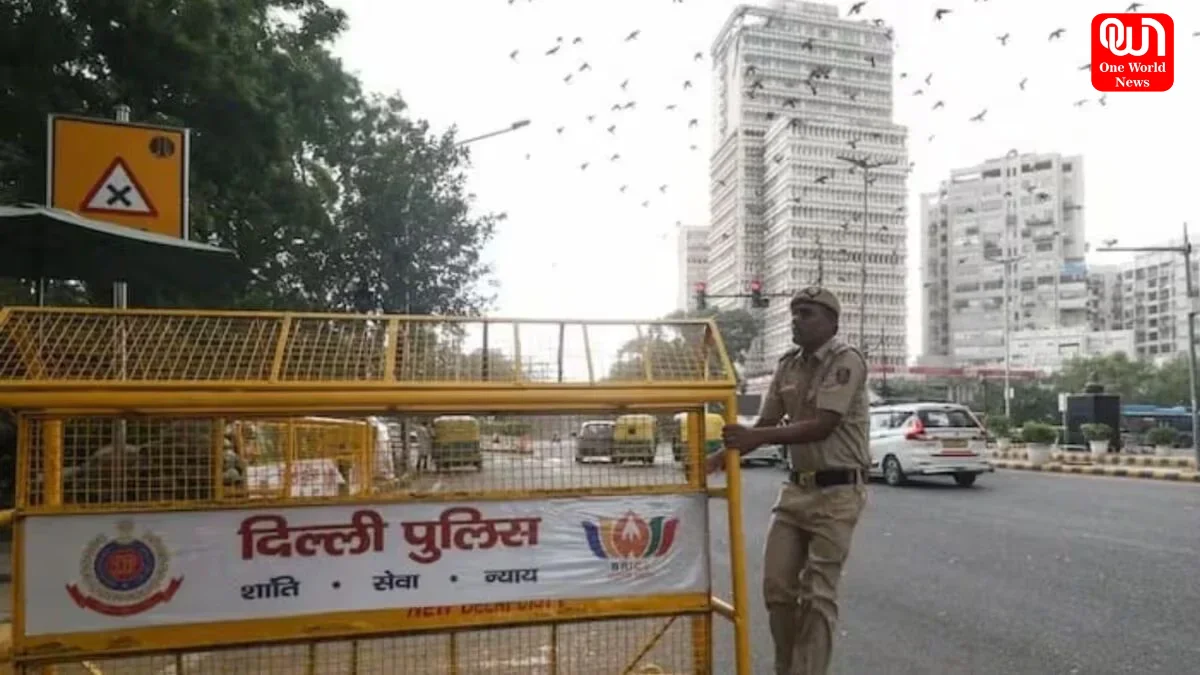
JANTAR MANTAR CONTROVERSY: CJP Protests, Delhi Police’s Decision to Remove the Historic Protest Site and Questions Over the Right to Dissent in India
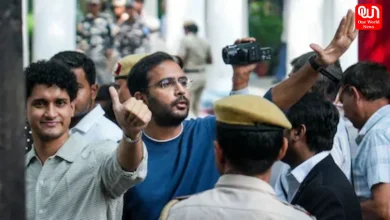
The JANTAR MANTAR CONTROVERSY has sparked a fresh debate over the right to protest, freedom of expression and the space available for public dissent in India. Delhi’s historic Jantar Mantar, which has hosted numerous demonstrations over the years, was removed from the list of officially designated protest venues in October 2026.
The decision has drawn criticism from the Cockroach Janta Party (CJP), a youth-led political movement, which views the move as a restriction on citizens seeking to raise their voices against those in power. Delhi Police, however, has stated that the change followed directions from the Supreme Court regarding the identification of suitable alternative protest venues.
Why Was Jantar Mantar Removed From the Protest Site List?
On October 12, 2026, Delhi Police announced that Jantar Mantar would no longer be a designated location for protests and demonstrations. The development followed a Supreme Court order dated October 9 concerning the identification of suitable alternative sites for public demonstrations.
Authorities subsequently identified three alternative venues: Ramlila Maidan, Burari Ground and CBD Ground in East Delhi. According to the police, the revised arrangements are intended to provide appropriate spaces for demonstrations.
However, the decision has raised concerns among activists and opposition groups about whether alternative locations will offer the same accessibility and visibility as Jantar Mantar, which is situated close to important government institutions in the national capital.
CJP Criticises the Decision
The Cockroach Janta Party has emerged as a prominent critic of the decision. Its leaders have argued that removing Jantar Mantar from the designated protest site list undermines the ability of citizens, particularly young people, to express their concerns publicly.
The party has also been involved in demonstrations demanding accountability over alleged irregularities in electoral roll revisions. These allegations have become a major political issue, with opposition groups questioning whether eligible voters have been unfairly removed from electoral lists. The Election Commission and the ruling BJP have disputed accusations of politically motivated manipulation.
The controversy has intensified tensions between protesters and authorities. On October 13, reports emerged that two CJP leaders, Ashutosh Ranka and Saurav Das, had been placed in five-day judicial custody following a protest-related incident at Jantar Mantar.
read more: With Indus Waters Treaty On Hold, Pakistan Projects 22% Water Shortage This Season
Why Jantar Mantar Matters in Indian Democracy
Jantar Mantar is more than a historic landmark in Delhi. For decades, it has served as an important public space where citizens, students, activists and social organisations have gathered to demand justice and accountability.
From anti-corruption campaigns to demonstrations concerning employment, education, women’s safety and social justice, the location has provided protesters with a visible platform to communicate their concerns.
Its proximity to the centre of political power has also made it a significant destination for demonstrations. Supporters of public protest argue that accessible locations allow citizens to draw attention to issues that might otherwise receive limited public recognition.
The JANTAR MANTAR CONTROVERSY therefore raises an important question: how can authorities manage public demonstrations while ensuring that the democratic right to peaceful assembly remains meaningful?
Freedom of Expression and the Right to Protest
The Indian Constitution protects freedom of speech and expression under Article 19(1)(a) and the right to assemble peacefully and without arms under Article 19(1)(b). These rights are subject to reasonable restrictions under the Constitution.
This means that public demonstrations can be regulated for legitimate reasons, including public order and safety. However, restrictions also raise questions about proportionality, accessibility and whether citizens have practical opportunities to express their views.
Critics of the Jantar Mantar decision believe that moving demonstrations to alternative locations could make protests less visible or more difficult for participants to organise. Authorities, on the other hand, have pointed to the need for appropriate venues and arrangements.
The central challenge is to balance public order with democratic participation without unnecessarily limiting peaceful dissent.
What Does the Controversy Mean for Young Indians?
Young people increasingly use public demonstrations and digital platforms to discuss unemployment, education, electoral transparency and government accountability. For many, protests represent an opportunity to participate in public life beyond voting.
The CJP controversy has brought these concerns into sharper focus. If young citizens believe their questions are not being heard, disagreements over protest venues can become part of a wider debate about political representation and institutional accountability.
At the same time, meaningful democratic participation requires accurate information, peaceful conduct and open discussion of competing arguments.
Read more: 13 October Veronica Gold Update: Gold And Silver Prices Record Marginal Gains
Conclusion: The Debate Goes Beyond One Location
The JANTAR MANTAR CONTROVERSY is not simply about changing the list of designated protest venues. It concerns the relationship between public order, political accountability and citizens’ ability to make their voices heard.
While authorities have identified alternative sites following judicial directions, questions remain about accessibility, visibility and the practical exercise of the right to peaceful protest.
A healthy democracy must be able to manage demonstrations while respecting constitutional freedoms. Ultimately, the debate should encourage transparent decision-making, responsible public dialogue and a clear commitment to ensuring that citizens can raise legitimate concerns peacefully.
We’re now on WhatsApp. Click to join.
Like this post?
Register at One World News to never miss out on videos, celeb interviews, and best reads.