‘Democracy Is No Licence To Spread Anarchy’: Rajnath Singh’s Blunt Message To Rahul Gandhi Over Anti-CEC Protests
Rajnath Singh attacks Rahul Gandhi over anti-CEC protests, alleging anarchy amid the Gyanesh Kumar row and escalating BJP vs Congress tensions.

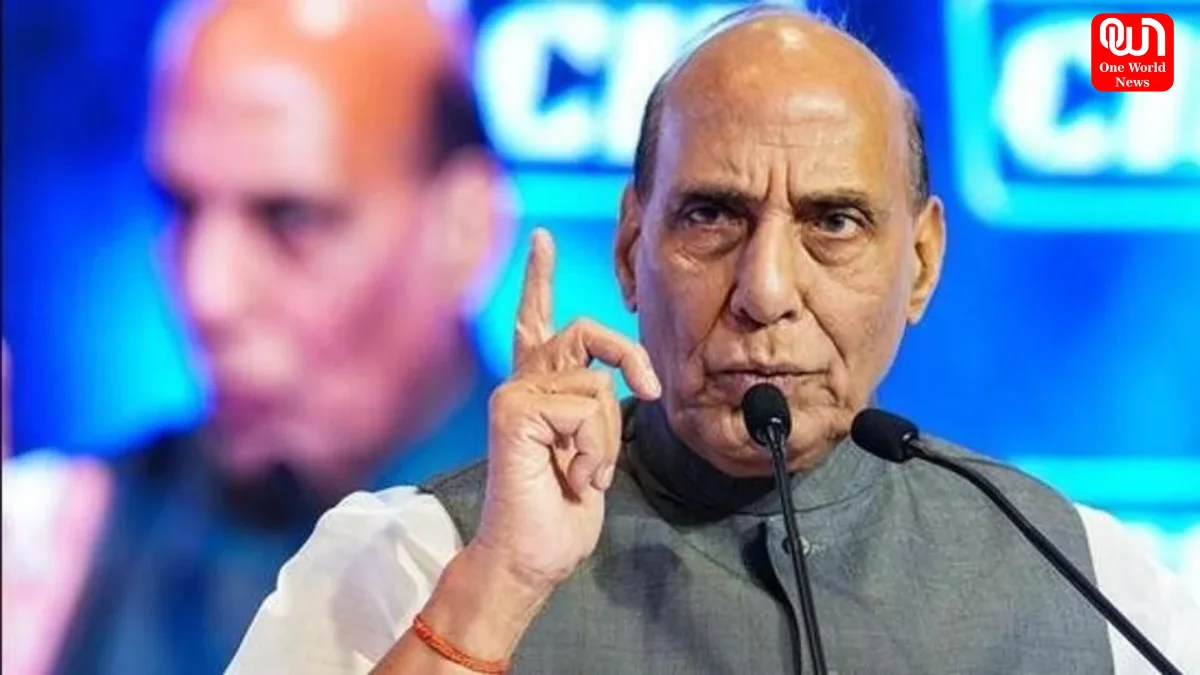
Rajnath Singh Attacks Rahul Gandhi Over Anti-CEC Protests, Accuses Congress of Seeking Bangladesh-Style Regime Change Amid Gyanesh Kumar Row and INDIA Bloc Demonstrations
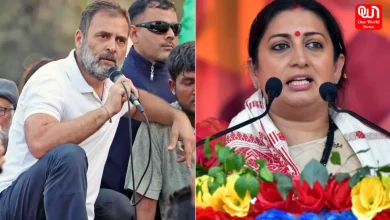
Union Defence Minister Rajnath Singh has launched a sharp attack on Congress leader Rahul Gandhi over the ongoing protests against Chief Election Commissioner Gyanesh Kumar. Singh accused the Congress and its allies of using demonstrations in Delhi to create political instability, arguing that democracy cannot be used as an excuse to undermine constitutional institutions.
Speaking at a press conference in Lucknow on October 16, 2026, Singh alleged that the opposition’s campaign had moved beyond demands for electoral reform and was aimed at bringing about a change of government through disorder. He also accused opposition groups of drawing inspiration from political developments in Bangladesh.
The remarks have intensified the ongoing BJP vs Congress confrontation, with the ruling party defending the Election Commission and the opposition demanding accountability over electoral roll revisions. The dispute has placed the role of the Election Commission, democratic protest and voter rights at the centre of the political debate. <Cite refs={[“turn521258search2″,”turn521258search0”]}/>
Rajnath Singh’s Strong Message to Rahul Gandhi
The latest Rajnath Singh attacks Rahul Gandhi episode centres on the defence minister’s warning that democratic freedom should not be interpreted as permission to create chaos or weaken constitutional institutions.
Singh argued that political leaders have a responsibility to respect the law while expressing their disagreements with the government. He maintained that allegations against public institutions should be addressed through democratic and constitutional channels rather than confrontational politics.
According to Singh, the opposition was attempting to use young people as instruments in a broader political campaign. He alleged that the demonstrations were intended to create instability instead of addressing concerns about electoral processes.
The minister also urged Rahul Gandhi and other opposition leaders to respect the people’s electoral mandate and focus on constructive political engagement.
Singh’s comments reflect the BJP’s position that criticism of the Election Commission should not turn into a campaign that damages public confidence in democratic institutions. However, the opposition has maintained that questioning electoral procedures and demanding accountability are legitimate democratic activities. <Cite refs={[“turn521258search2″,”turn521258search9”]}/>
What Is the Rajnath Singh CEC Protests Controversy?
The Rajnath Singh CEC protests controversy comes amid demonstrations demanding the resignation of Chief Election Commissioner Gyanesh Kumar.
The protests are linked to the Election Commission’s Special Intensive Revision (SIR) of electoral rolls. Opposition parties have raised concerns about the revision process, alleging that it could exclude eligible voters and demanding greater transparency.
The Election Commission has maintained that voters whose names are missing can follow the prescribed procedures to seek inclusion. The dispute has nevertheless grown into a larger political confrontation over the credibility of the electoral process.
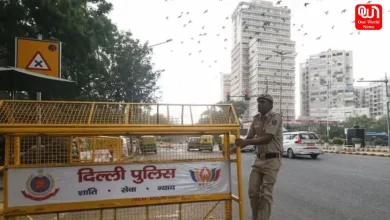
On October 6, opposition MPs led by Rahul Gandhi attempted to march towards the Election Commission’s headquarters in Delhi. Police stopped the march, and several opposition leaders were detained during the demonstration.
The protests subsequently continued, with opposition parties and civil society groups pressing for action against the chief election commissioner. The BJP, meanwhile, accused the opposition of politicising the issue and attempting to undermine an independent constitutional body. <Cite refs={[“turn521258search10″,”turn521258search11″,”turn521258news14”]}/>
Gyanesh Kumar Row: Why Is the Opposition Demanding His Resignation?
The Gyanesh Kumar row has become a major source of friction between the government and opposition parties.
Read more: Jammed Rifle, Taco Bell Co-Worker: How US Teen’s Hindu Temple Attack Plot Was Foiled
Opposition leaders have questioned the transparency of the voter-list revision exercise and alleged that the process could affect citizens’ voting rights. They have demanded Kumar’s resignation and called for changes to the way electoral roll revisions are conducted.
Rahul Gandhi has repeatedly criticised the Election Commission over alleged irregularities and argued that protecting voters’ rights is essential to safeguarding democracy.
The BJP has rejected the opposition’s political framing of the controversy, arguing that electoral procedures must be assessed through established legal and institutional mechanisms.
At the heart of the disagreement is a broader question: how can concerns about electoral fairness be investigated while maintaining public confidence in the institutions responsible for conducting elections?
The opposition says its campaign is necessary to protect democratic rights, while the BJP argues that political accusations should not become a justification for undermining constitutional authorities. <Cite refs={[“turn521258search1″,”turn521258search10″,”turn521258news14”]}/>
INDIA Bloc Protests Intensify Political Tensions
The INDIA Bloc protests have expanded the dispute beyond the Congress and the BJP, bringing opposition parties, student groups and civil society activists into the campaign against the chief election commissioner.
The demonstrations have included marches, public statements and calls for continued political resistance. Opposition leaders have argued that electoral transparency is essential to ensuring that every eligible citizen can exercise the right to vote.
Rahul Gandhi has also called on supporters to continue raising concerns over the electoral process. The opposition has maintained that its actions are intended to defend the Constitution and protect the voice of voters.
The BJP, however, has questioned the opposition’s intentions. Singh alleged that the demonstrations were part of a larger effort to destabilise the government and weaken democratic institutions.
The competing claims have made the controversy a significant political flashpoint, with both sides presenting sharply different interpretations of the protests and their objectives. <Cite refs={[“turn521258search1″,”turn521258search2”]}/>
Why Did Rajnath Singh Refer to Bangladesh?
One of the most striking aspects of Singh’s remarks was his comparison between the opposition’s alleged political strategy and developments in Bangladesh.
The defence minister claimed that some protest organisers had drawn inspiration from events in the neighbouring country and alleged that the movement was aimed at bringing about a similar change of government in India.
These remarks added a new dimension to the BJP vs Congress confrontation, shifting the discussion from electoral roll revisions to broader questions about political stability and democratic institutions.
However, Singh’s statements represent the government’s political allegations about the opposition’s intentions, rather than an established finding that the protests are part of a coordinated plan for regime change.
The protest organisers and opposition leaders have publicly framed their demands around electoral accountability and the removal of Gyanesh Kumar. The competing interpretations underline how the controversy has become a battle over both political messaging and institutional credibility. <Cite refs={[“turn521258search3″,”turn521258search2”]}/>
BJP vs Congress: A Wider Debate Over Democracy
The latest confrontation highlights the growing divide between the ruling BJP and the Congress-led opposition over the functioning of India’s democratic institutions.
For the BJP, Singh’s argument is that democratic rights must operate within the framework of the law and that political parties should not weaken public confidence in constitutional bodies.
For the Congress and its allies, the central concern is whether electoral procedures are sufficiently transparent and whether allegations of irregularities are being addressed adequately.
Both questions are important to the wider democratic debate. Peaceful protest, scrutiny of public institutions and demands for electoral accountability are recognised features of democratic politics. At the same time, allegations of misconduct or unlawful activity need to be evaluated on the basis of evidence rather than political rhetoric.
The controversy is therefore likely to remain significant as the opposition continues its campaign and the government defends the Election Commission’s role.
Read more: Delhi ACP Accused Of Sexual Harassment Alleges Casteist Remarks By Journalist; FIR Registered
Conclusion
Rajnath Singh’s latest remarks have escalated the political confrontation with Rahul Gandhi over the anti-CEC protests and the Gyanesh Kumar row. By warning that democracy cannot be used as a licence to spread anarchy, the defence minister has accused the opposition of pursuing a political agenda beyond electoral reform.
The Congress and other opposition groups, meanwhile, continue to demand accountability over voter-list revisions and the chief election commissioner’s role.
As the dispute develops, the key issues will remain electoral transparency, the protection of voting rights and the responsibility of political leaders to uphold democratic principles. The outcome of the controversy could influence the ongoing debate over public trust in India’s electoral institutions.
We’re now on WhatsApp. Click to join.
Like this post?
Register at One World News to never miss out on videos, celeb interviews, and best reads.