JANTAR MANTAR DETENTION: CJP Leaders Detained After Protest Site Restrictions Raise Questions About Democracy
JANTAR MANTAR DETENTION sparks debate over protest rights, voter-list irregularities, police action and accountability in Indian democracy.

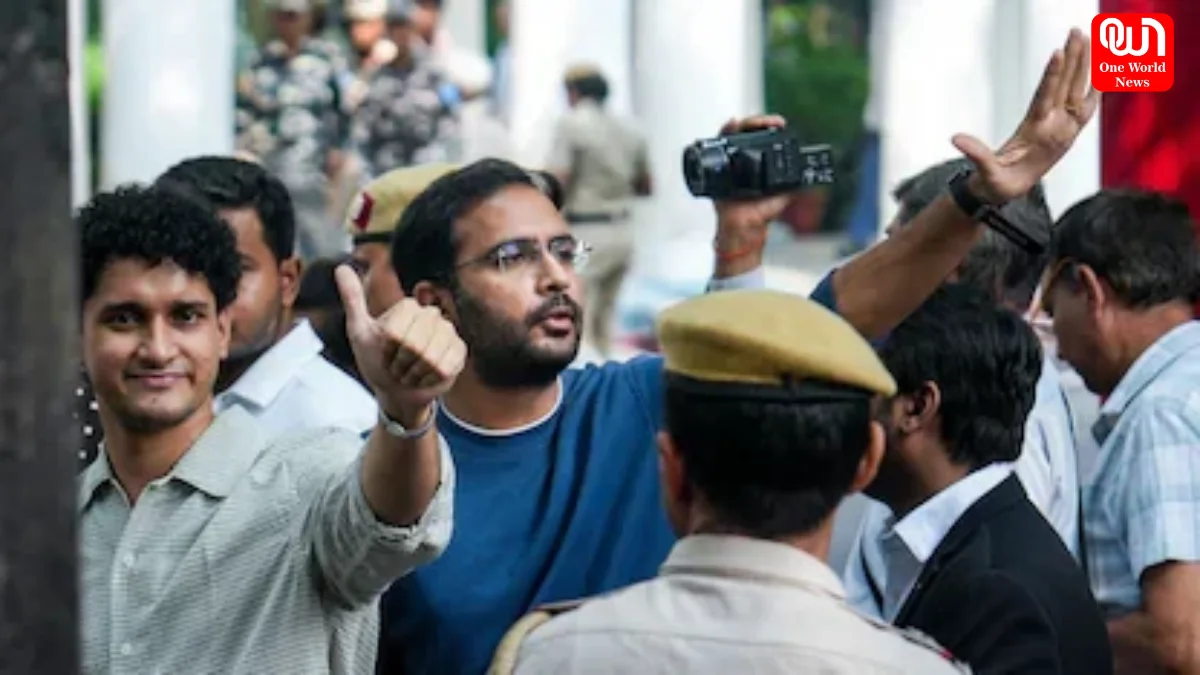
JANTAR MANTAR DETENTION: Sourav Das and Ashutosh Ranka Detained by Delhi Police Over Voter List Irregularities Allegations and Demand for CEC Gyanesh Kumar’s Resignation
The JANTAR MANTAR DETENTION incident has reignited a debate about freedom of expression, public protests and democratic accountability in India. On October 13, 2026, Cockroach Janta Party (CJP) leaders Sourav Das and Ashutosh Ranka were detained by Delhi Police after attempting to enter Jantar Mantar, a historic location associated with public demonstrations.
Read more: 13 October Veronica Gold Update: Gold And Silver Prices Record Marginal Gains
The incident occurred shortly after Delhi Police removed Jantar Mantar from its list of designated protest venues. According to media reports, the leaders entered the restricted area by crossing a gate while protesting alleged irregularities in voter lists and demanding the resignation of Chief Election Commissioner Gyanesh Kumar.
The developments have raised an important question: how can citizens exercise their democratic right to protest when established spaces for public demonstrations are restricted?
Why Was Jantar Mantar Removed as a Protest Site?
For decades, Jantar Mantar has been one of India’s most recognisable locations for demonstrations. From political movements to campaigns demanding justice and government accountability, the site has provided citizens with a platform to bring their concerns into the public spotlight.
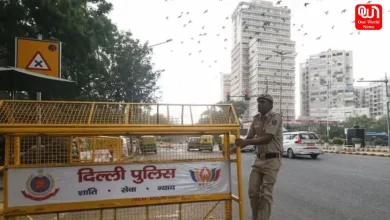
However, on October 12, Delhi Police announced that Jantar Mantar would no longer remain a designated protest venue. Three alternative locations were identified: Ramlila Ground, Burari Ground and CBD Ground in East Delhi.
The decision followed recommendations from a committee constituted by the Union Ministry of Home Affairs to examine alternative venues for protests and demonstrations. Authorities have presented the move as an administrative decision concerning designated protest locations.
Nevertheless, critics argue that moving demonstrations away from a centrally located venue could affect the visibility and accessibility of public protests. The key question is whether the alternative locations will provide citizens with meaningful opportunities to make their voices heard.
Why Were CJP Leaders Sourav Das and Ashutosh Ranka Detained?
The immediate trigger for the JANTAR MANTAR DETENTION controversy was the CJP leaders’ attempt to protest at the now-restricted site. Their demonstration focused on alleged voter-list irregularities and called for Chief Election Commissioner Gyanesh Kumar to resign.
The allegations surrounding voter-list revisions have become a significant political issue, with opposition groups questioning whether eligible voters have been unfairly excluded. The Election Commission and the ruling Bharatiya Janata Party have rejected allegations of wrongdoing.
According to reports published on October 14, Sourav Das and Ashutosh Ranka were remanded to five days of judicial custody following their detention. Authorities cited alleged violations connected to their entry into the restricted area and previous legal conditions.
The distinction is important: the leaders’ allegations about voter lists require independent scrutiny, while the circumstances of their detention and the legality of the police action must be assessed on their own merits.
Voter-List Irregularities and the Demand for Accountability
At the heart of the protest lies a fundamental democratic concern: the integrity of electoral rolls. Accurate voter lists are essential because every eligible citizen should have a fair opportunity to participate in elections.
When allegations of irregularities emerge, the appropriate response should include transparent explanations, accessible grievance procedures and credible verification of the evidence.
Demanding accountability does not automatically establish that the allegations are true. Equally, dismissing allegations without examining the available evidence can weaken public confidence in democratic institutions.
The demand for Gyanesh Kumar’s resignation is a political position taken by the protesters. Whether that demand is justified depends on the evidence, applicable legal standards and the findings of appropriate institutions.
Does JANTAR MANTAR DETENTION Raise Questions About Democracy?
The controversy extends beyond two detained political leaders. It concerns the balance between maintaining public order and protecting citizens’ freedom to express dissent.
Read more: With Indus Waters Treaty On Hold, Pakistan Projects 22% Water Shortage This Season
The right to peaceful assembly is protected under Article 19(1)(b) of the Indian Constitution, subject to reasonable restrictions in the interests specified by the Constitution. Authorities can regulate demonstrations, but the practical implementation of those restrictions remains important.
A democratic system should make space for peaceful criticism while ensuring that public safety and lawful procedures are respected. Protesters, too, must consider the legal conditions governing demonstrations and avoid treating restricted access as permission to disregard them.
The real test is whether restrictions are proportionate, alternatives are genuinely accessible and complaints against public institutions receive fair consideration.
We’re now on WhatsApp. Click to join.
Like this post?
Register at One World News to never miss out on videos, celeb interviews, and best reads.