Best Essential Oils for Better Sleep: Essential Oils for Better Sleep & Improving Sleep Naturally
Discover the Best Essential Oils for Better Sleep, including lavender and chamomile, and learn how Essential Oils for Better Sleep may support relaxation.

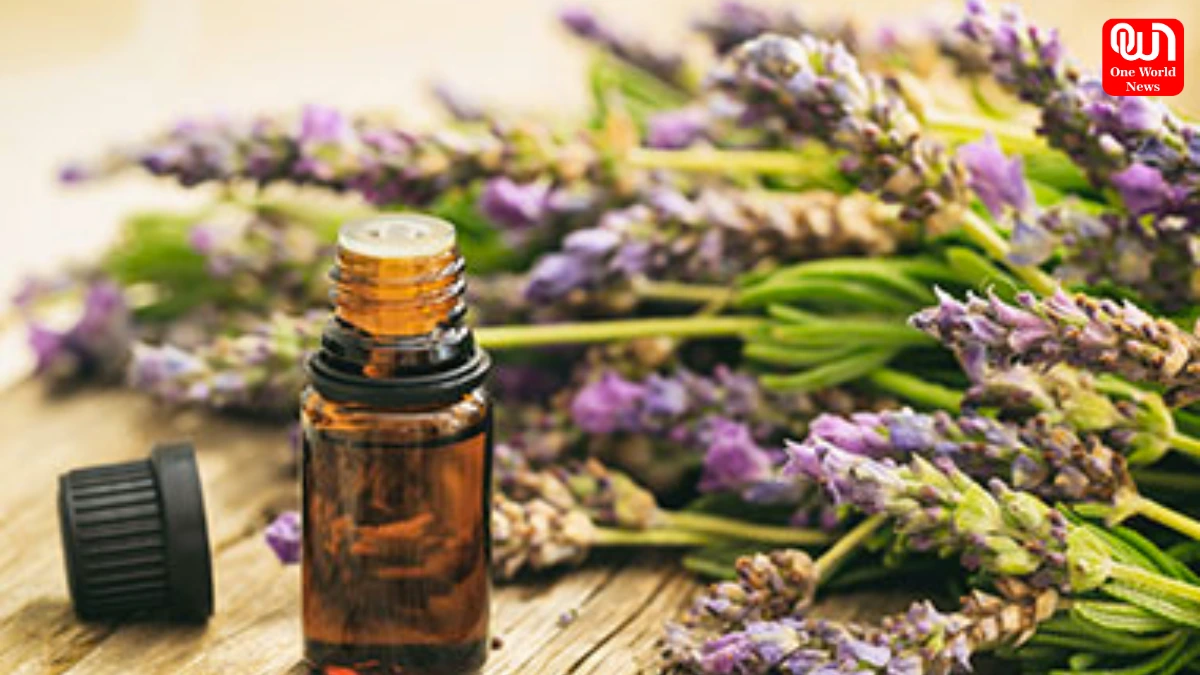
Best Essential Oils for Better Sleep: Essential Oils for Better Sleep and the Best Essential Oils for Improving Sleep Quality
Getting quality sleep is essential for physical and mental well-being, yet stress, busy schedules, and difficulty relaxing can make falling asleep challenging. Aromatherapy with essential oils is often used as a calming bedtime practice. While essential oils are not a guaranteed treatment for insomnia, research suggests that aromatherapy may help improve perceived sleep quality in some people.
If you are searching for the Best Essential Oils for Better Sleep, several options are commonly considered for their relaxing aromas. However, it is important to understand which oils have the most promising evidence and how to use them safely.
Why Use Essential Oils for Better Sleep?
Essential oils are concentrated aromatic compounds extracted from plants. In aromatherapy, they are generally inhaled or applied to the skin after appropriate dilution. The relaxing scent of certain oils may become part of a calming bedtime routine, helping create an environment associated with rest and relaxation.
Read more: Stop Taking Antibiotics on Your Own for Flu: IMA Issues Warning as H1N1 Cases Rise
Research on aromatherapy and sleep has produced encouraging findings, although the quality and methods of individual studies vary. A systematic review reported that aromatherapy was associated with improved sleep outcomes, while researchers also noted the need for additional high-quality research.
Lavender Oil: The Top Choice for Sleep
When discussing the Best Essential Oils for Improving Sleep, lavender is usually one of the first oils to consider. Its soft, floral aroma is widely used in bedtime aromatherapy.
Recent research is particularly interesting: a systematic review and meta-analysis of 11 randomized controlled trials involving 628 adults found that lavender essential oil was associated with improved sleep quality. However, the researchers also noted limitations in the available studies and recommended further high-quality research.
Lavender may be especially appealing if your nighttime routine is affected by occasional stress or difficulty relaxing. You can use its aroma through a diffuser or another appropriate aromatherapy method.
Chamomile Oil: A Gentle, Relaxing Option
Chamomile is another popular choice for people interested in Essential Oils for Better Sleep. Roman chamomile is commonly used in aromatherapy and has a mild, comforting scent.
However, evidence specifically supporting chamomile essential oil for insomnia remains limited. Reviews of plant-based approaches have found some promising evidence for chamomile and sleep quality, but there is not enough strong evidence to consider it a proven treatment for insomnia.
For this reason, chamomile may be best viewed as a pleasant addition to a relaxing nighttime routine rather than a standalone solution for persistent sleep problems.
Bergamot and Other Essential Oils
Bergamot, cedarwood, geranium, lemon, and other essential oils are also used in aromatherapy. However, the amount of research supporting their specific effects on sleep varies considerably. NCCIH notes that aromatherapy is used for insomnia, but rigorous research remains limited for many individual oils.
If you want to experiment with different scents, consider your personal preference. An aroma that you find pleasant and relaxing may be more useful as part of a consistent bedtime routine than an oil you dislike simply because it is marketed for sleep.
How to Use Essential Oils at Bedtime
For most people, inhalation is a straightforward way to incorporate essential oils into a nighttime routine. A properly used diffuser or another aromatherapy method can provide the scent without requiring direct skin application.
If applying an essential oil to your skin, it should generally be diluted appropriately because concentrated essential oils can cause irritation or allergic reactions. Avoid applying undiluted essential oils directly to the skin.
You can also combine aromatherapy with other sleep-friendly habits, such as maintaining a consistent bedtime, reducing stimulating activities before bed, keeping the bedroom comfortable, and practicing relaxation techniques.
Essential Oil Safety Tips
Natural does not automatically mean risk-free. Essential oils are concentrated substances and should be used according to appropriate safety directions. Skin irritation and allergic reactions can occur, while certain oils can cause sensitivity to sunlight when applied to the skin.
Lavender aromatherapy is generally considered possibly safe, but some people may experience headache or coughing. People taking medications should discuss herbal or essential-oil products with a healthcare professional because interactions may occur.
Essential oils should also not be considered a replacement for professional treatment when sleep problems are persistent or severe.
Which Essential Oil Is Worth Trying?
For people looking for the Best Essential Oils for Better Sleep, lavender currently has the strongest sleep-specific research among the commonly discussed options. Chamomile can be considered for its soothing aroma, although evidence for treating insomnia is less established.
Ultimately, essential oils are best used as part of a broader bedtime routine rather than as a guaranteed sleep remedy. If you regularly struggle to fall asleep, stay asleep, or feel rested during the day, consider speaking with a qualified healthcare professional.
Read more: Why Do We Yawn? What Happens When You Yawn and Does Yawning Help Cool The Brain?
Final Thoughts
The Best Essential Oils for Improving Sleep are not necessarily the oils with the strongest marketing claims. Lavender stands out because recent research has found a potential benefit for adult sleep quality, while chamomile and other oils may provide enjoyable aromas that support relaxation.
Used safely, aromatherapy can be a simple addition to a calming nighttime routine. The key is to choose an aroma you enjoy, follow safety instructions, and remember that essential oils should complement—not replace—evidence-based approaches to ongoing sleep difficulties.
We’re now on WhatsApp. Click to join.
Like this post?
Register at One World News to never miss out on videos, celeb interviews, and best reads.