Stop Taking Antibiotics on Your Own for Flu: IMA Issues Warning as H1N1 Cases Rise
H1N1 flu symptoms, IMA H1N1 warning, antibiotics for H1N1, self-medication, antimicrobial resistance H1N1 and prevention methods.

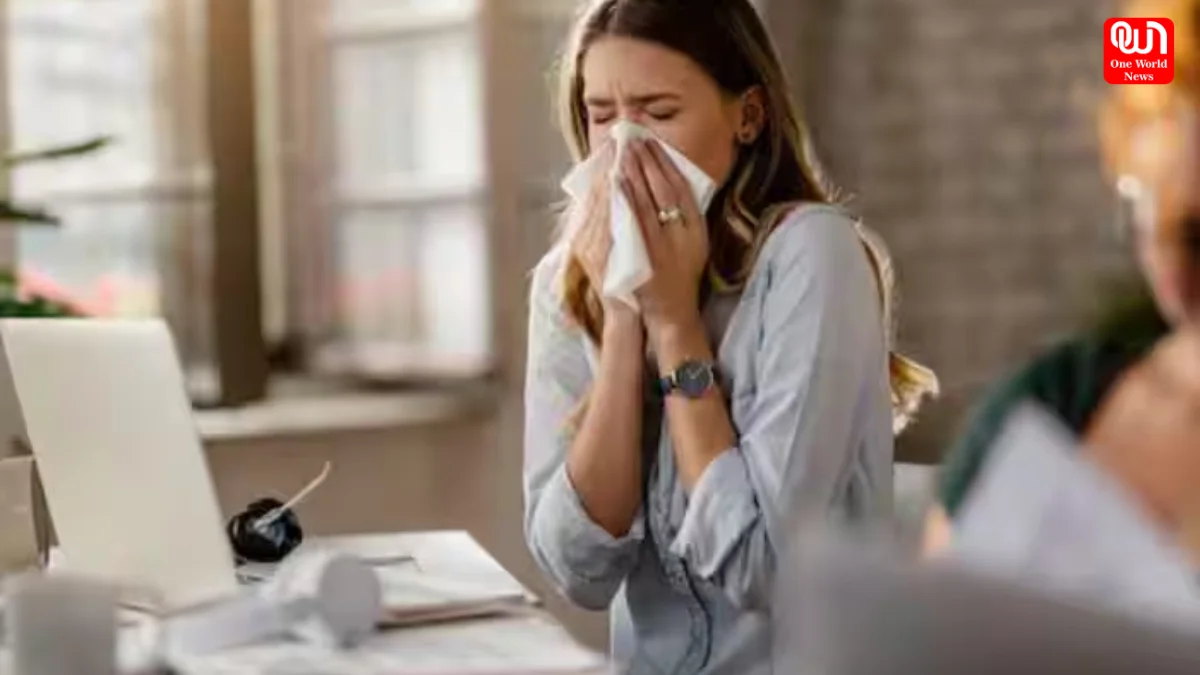
Stop Taking Antibiotics on Your Own for Flu: IMA H1N1 Warning, H1N1 Flu Symptoms, Antibiotics for H1N1, Prevention Methods & Antimicrobial Resistance
As H1N1 influenza cases continue to rise in several parts of India, the Indian Medical Association (IMA) has urged people to remain vigilant and avoid taking antibiotics without medical advice. The warning is particularly important because H1N1 is caused by a virus, while antibiotics are designed to treat bacterial infections. Recent reports indicate a rise in seasonal H1N1 activity, including in Delhi, although the Indian Council of Medical Research (ICMR) has said that no new H1N1 strain has been detected and that the current increase is linked to seasonal influenza.
Why The IMA Is Warning Against Antibiotics
The IMA has specifically cautioned people against purchasing and taking antibiotics over the counter when they develop flu-like symptoms. Medicines such as azithromycin, amoxicillin-clavulanate and cefixime do not kill influenza viruses. Taking them unnecessarily can also expose people to side effects without treating the underlying viral infection.
Read more: 5 Physical Changes Post-35 Women Should Never Ignore And When To See A Doctor
This makes the issue of antibiotics for H1N1 especially important. A doctor may prescribe an antibiotic if a bacterial infection develops alongside influenza, but that decision should be based on a medical assessment rather than self-treatment.
Understanding H1N1 Flu Symptoms
Recognising H1N1 flu symptoms can help people seek appropriate medical care at the right time. Common symptoms may include fever, cough, sore throat, body aches, fatigue and a feeling of weakness. Some people can also experience headache, chills, nausea, vomiting or diarrhoea.
Most uncomplicated influenza infections improve with appropriate supportive care. However, symptoms can become more serious in people who are at higher risk of complications, including older adults, young children, pregnant women and people with certain chronic health conditions. Difficulty breathing, severe weakness, persistent or worsening symptoms, or other concerning changes require prompt medical attention.
IMA H1N1 Warning: Avoid Self-Medication
The central message of the IMA H1N1 warning is simple: do not assume that every fever, cough or sore throat requires an antibiotic. Self-medication with antibiotics for H1N1 can delay appropriate evaluation and encourage inappropriate medicine use.
If flu symptoms appear, people should speak with a qualified healthcare professional, particularly when symptoms are severe or the person belongs to a higher-risk group. Depending on the clinical situation, a doctor may recommend testing, supportive treatment or antiviral therapy. Antiviral medicines are different from antibiotics because they act against influenza viruses and may be particularly useful when prescribed early for appropriate patients.
How Antimicrobial Resistance H1N1 Concerns Public Health
Another major reason for avoiding unnecessary antibiotics is antimicrobial resistance H1N1. H1N1 itself is a viral infection and does not become “resistant” to antibiotics in the same way bacteria do. However, unnecessary antibiotic use contributes to the broader problem of antimicrobial resistance by exposing bacteria to medicines when those drugs are not needed.
Overuse and misuse of antibiotics can make bacterial infections harder to treat in the future. This is why antibiotics should be used only when medically indicated and according to a healthcare professional’s instructions.
H1N1 Prevention Methods To Follow
Along with avoiding unnecessary medication, several practical H1N1 prevention methods can help reduce the spread of influenza. People should maintain good hand hygiene, cover coughs and sneezes, improve ventilation and avoid close contact with others when they are unwell. Wearing a mask in crowded or poorly ventilated settings may also provide an additional layer of protection during periods of increased respiratory-virus activity.
Staying home when experiencing flu-like symptoms can reduce the chance of spreading infection to family members, colleagues and other members of the community. Annual influenza vaccination is another important preventive measure, particularly for people who are at increased risk of complications. The IMA also recommends heightened awareness rather than panic.
Read more: World Vasectomy Day 2026: An Overview
When Should You See A Doctor?
Do not ignore symptoms that are severe, rapidly worsening or associated with breathing difficulty. People in high-risk groups should seek medical advice promptly if they develop flu-like symptoms. Early professional evaluation can help determine whether the illness is influenza, another respiratory infection or a bacterial complication requiring specific treatment.
The Bottom Line
The current rise in H1N1 cases is a reminder to take seasonal influenza seriously without resorting to unnecessary medication. Antibiotics for H1N1 are not routinely appropriate because H1N1 is viral. Following the IMA’s advice, avoiding self-medication, recognising H1N1 flu symptoms, practising preventive measures and consulting a healthcare professional when needed can support safer individual and community health.
We’re now on WhatsApp. Click to join.
Like this post?
Register at One World News to never miss out on videos, celeb interviews, and best reads.