LDL or Non-HDL Cholesterol: Which Is More Important? What Is a Good LDL Level by Age?
LDL or Non-HDL Cholesterol: Which Is More Important? Learn what is a good LDL level by age and which cholesterol number to watch for heart health.

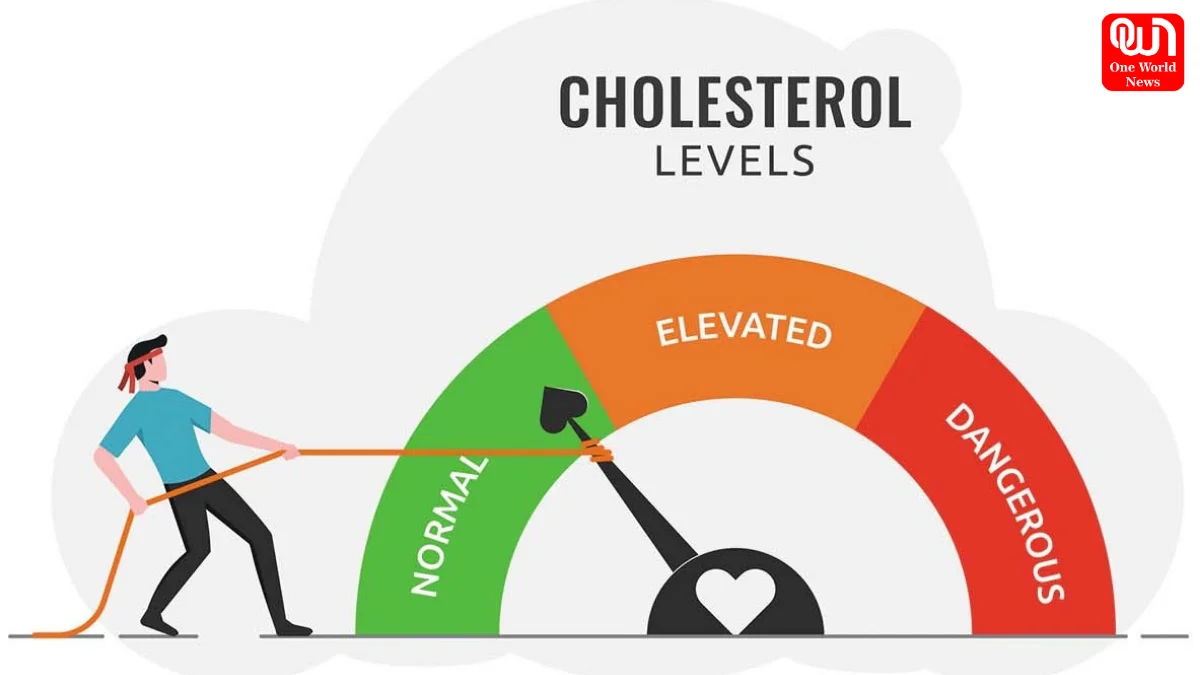
LDL or Non-HDL Cholesterol Which Is More Important? What Is a Good LDL Level by Age and How Should You Monitor Cholesterol?
Cholesterol tests can provide several numbers, including LDL, HDL, total cholesterol, triglycerides, and non-HDL cholesterol. With so many measurements, it is natural to wonder: LDL or Non-HDL Cholesterol, Which Is More Important? The answer is not always as simple as choosing one number.
LDL cholesterol is a major focus of cardiovascular risk management because it contributes to cholesterol buildup in artery walls. Non-HDL cholesterol provides a broader measurement because it includes LDL and other potentially harmful cholesterol-containing particles. Current 2026 American Heart Association and American College of Cardiology guidance recognizes both LDL-C and non-HDL-C goals when managing dyslipidemia.
What Is LDL Cholesterol?
LDL stands for low-density lipoprotein. It is commonly called “bad” cholesterol because elevated LDL can contribute to plaque buildup in the arteries. Over time, this buildup may increase the risk of cardiovascular disease, heart attack, and stroke.
For many adults, an LDL level below 100 mg/dL is generally considered desirable. However, there is no single LDL target that applies to everyone. People with diabetes, previous cardiovascular disease, a strong family history, or other risk factors may have lower recommended targets.
What Is Non-HDL Cholesterol?
Non-HDL cholesterol is calculated by subtracting HDL cholesterol from total cholesterol:
Non-HDL Cholesterol = Total Cholesterol − HDL Cholesterol
Unlike LDL alone, non-HDL cholesterol captures several types of cholesterol carried by potentially harmful particles, including LDL and very-low-density lipoprotein (VLDL). This makes it useful when evaluating overall atherogenic cholesterol.
For generally healthy adults, a non-HDL cholesterol level below 130 mg/dL is commonly considered desirable. However, individual targets can vary depending on cardiovascular risk.
LDL or Non-HDL Cholesterol Which Is More Important?
So, LDL or Non-HDL Cholesterol Which Is More Important? In most situations, LDL-C remains a central number to monitor, but non-HDL-C can provide additional information that LDL alone may not capture.
The latest 2026 dyslipidemia guideline brings LDL-C and non-HDL-C treatment goals back into routine management. It also emphasizes that the appropriate target depends on a person’s overall cardiovascular risk rather than a cholesterol number alone.
Non-HDL cholesterol may be particularly informative when triglycerides are elevated because it reflects cholesterol carried in several atherogenic particles. In selected situations, healthcare professionals may also consider apolipoprotein B (ApoB) for additional risk assessment.
What Is a Good LDL Level by Age?
If you are searching for What is a good LDL level by age, it is important to understand that age alone does not determine an appropriate target.
For children and teenagers, MedlinePlus lists an LDL level below 110 mg/dL as a general healthy level. For adults aged 20 and older, an LDL level below 100 mg/dL is generally considered desirable for many people.
However, adults with higher cardiovascular risk may need substantially lower LDL levels. The 2026 AHA/ACC guideline recommends LDL-C goals based on risk, including goals below 100 mg/dL for some people at borderline or intermediate risk and below 70 mg/dL for people at high risk. For individuals with established cardiovascular disease who are at very high risk, an LDL-C goal below 55 mg/dL may be recommended.
Read more: Why Do We Yawn? What Happens When You Yawn and Does Yawning Help Cool The Brain?
Therefore, asking What is a good LDL level by age is useful as a starting point, but your personal target should be determined by your healthcare professional.
When Can Non-HDL Cholesterol Be Especially Useful?
Non-HDL cholesterol can be helpful when triglycerides are elevated or when a broader picture of atherogenic cholesterol is needed. Because it includes LDL and other cholesterol-containing particles, it can sometimes reveal residual risk that may not be obvious from LDL-C alone.
The 2026 guideline also notes that ApoB testing can help refine risk assessment in selected individuals, particularly those with elevated triglycerides, diabetes, cardiovascular disease, or other specific risk factors.
Which Cholesterol Number Should You Watch?
Rather than focusing exclusively on one result, consider your complete lipid profile and overall cardiovascular risk. LDL-C is a key number, while non-HDL-C provides complementary information.
Your doctor may also consider HDL cholesterol, triglycerides, blood pressure, diabetes status, smoking, family history, age, and previous cardiovascular disease when determining your risk and treatment goals.
Healthy lifestyle habits are also important. A heart-supportive eating pattern, regular physical activity, maintaining a healthy weight, avoiding tobacco, and following prescribed treatment can all contribute to better cardiovascular health.
Read more: 5 Coffee Recipes That May Help You Lose Weight
Final Thoughts
The question “LDL or Non-HDL Cholesterol, Which Is More Important?” does not have a one-size-fits-all answer. LDL-C remains a primary focus of cholesterol management, while non-HDL-C offers a broader view of potentially harmful cholesterol particles.
If you are wondering “What is a good LDL level by age?”, remember that age is only one factor. Your ideal cholesterol target depends on your overall cardiovascular risk and medical history. Regular testing and a discussion with a qualified healthcare professional can help determine which numbers matter most for you.
We’re now on WhatsApp. Click to join.
Like this post?
Register at One World News to never miss out on videos, celeb interviews, and best reads.