Kulasai Dasara 2026: How A Coastal Town In Tamil Nadu Celebrates The Victory Of Good Over Evil
Explore Dussehra 2026 and Kulasai Dasara, Tamil Nadu’s unique festival featuring colourful costumes, temple rituals and Goddess Mutharamman.

Kulasai Dasara 2026: Discover How Tamil Nadu’s Coastal Town Celebrates Dussehra With Colourful Costumes, Devotion and the Victory of Good Over Evil
India celebrates Dussehra in many different ways, but few celebrations are as distinctive as Kulasai Dasara in Tamil Nadu. Held in the coastal town of Kulasekarapattinam in Thoothukudi district, this famous festival brings together faith, traditional rituals, colourful costumes and an extraordinary display of devotion.
Unlike celebrations in North India, where the victory of Lord Rama over Ravana takes centre stage, Kulasai Dasara focuses on Goddess Mutharamman and her victory over the demon Mahishasura. Thousands of devotees gather to participate in the festivities, making the town an important destination for pilgrims during Navratri and Vijayadashami.
In 2026, the festival began with the temple flag-hoisting ceremony on October 11, with the main Mahishasura Samharam event scheduled for October 20, coinciding with Dussehra.
What Makes Kulasai Dasara Special?
Kulasai Dasara is celebrated at the Arulmigu Mutharamman Temple in Kulasekarapattinam, a coastal settlement near Tiruchendur. The temple is the spiritual heart of the celebration, attracting devotees from across Tamil Nadu and other parts of India.
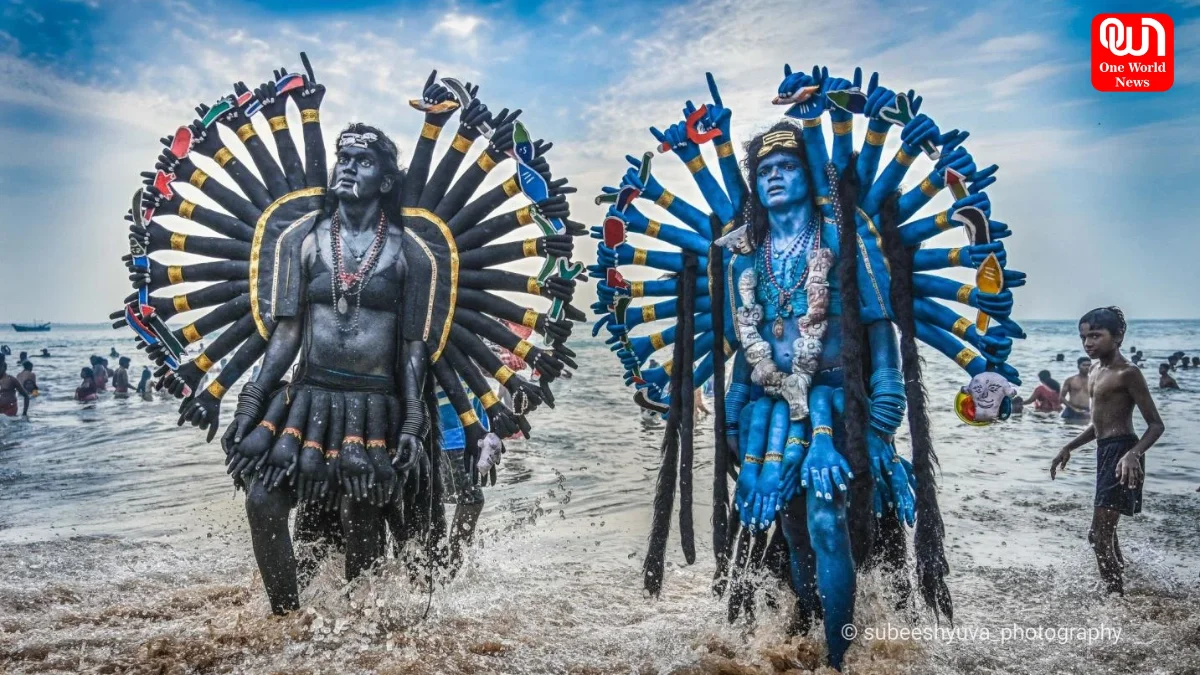
The festival is particularly famous for its tradition of devotees dressing up as gods, goddesses, demons and other mythological characters. The streets become vibrant with elaborate costumes, face paint, traditional music and processions.
For many participants, these costumes are not simply a way to celebrate. They represent personal vows, gratitude and prayers offered to the goddess. Devotees believe that observing the rituals with sincerity brings blessings and spiritual fulfilment.
Dussehra Celebrations 2026: Important Dates
The 2026 Kulasai Dasara festival began on October 11 with the traditional flag-hoisting ceremony at the temple. The celebrations continue through a series of religious observances, special prayers and processions.
October 20 is the most significant date of the festival, when the dramatic Mahishasura Samharam ceremony takes place. During this ritual, Goddess Mutharamman is associated with the destruction of Mahishasura, symbolising the triumph of good over evil.
The festival attracts enormous crowds, so visitors planning to attend should allow extra time for travel, temple visits and movement around the town.
The Unique Tradition of Dressing Up as Deities
One of the most remarkable features of Kulasai Dasara is the tradition known as vesham, in which devotees dress as different divine or mythological figures.
Participants may appear as Goddess Kali, Durga, Lord Murugan, Lord Shiva, Lord Vishnu and several other characters. Some choose elaborate goddess costumes, while others portray demons, traditional folk characters or symbolic figures.
Many devotees prepare for the festival by observing a period of fasting and religious discipline. Depending on their vows, some begin their observances several weeks before the main event.
Dressed in colourful outfits and accompanied by music, devotees travel through nearby streets and settlements, seeking blessings and collecting offerings. These offerings are subsequently dedicated to the goddess according to their religious commitments.
This tradition gives Kulasai Dasara its distinctive appearance and transforms the celebration into a powerful expression of community faith.
Goddess Mutharamman and the Victory Over Evil
The religious significance of Kulasai Dasara centres on Goddess Mutharamman, who is worshipped as a powerful manifestation of the divine feminine.
According to the festival’s traditional beliefs, the goddess defeats Mahishasura, a demon associated with evil and destructive forces. The climactic ritual, known as Mahishasura Samharam, represents the restoration of righteousness and the protection of devotees.
The story carries a message that extends beyond mythology. It reminds people of the importance of courage, truth, devotion and the determination to overcome negative forces.
Although Dussehra traditions differ across India, their central message remains similar: goodness ultimately triumphs over evil.
Temple Rituals, Processions and Cultural Performances
Throughout the festival, the Mutharamman Temple hosts special prayers, offerings and religious ceremonies. The deity is worshipped with traditional decorations, flowers and devotional rituals.
Processions form another important part of the celebrations. Devotees gather to witness the goddess being taken out in ceremonial arrangements, while traditional drums and folk performances add to the festive atmosphere.
The celebration also reflects the cultural identity of southern Tamil Nadu. Folk music, community gatherings and traditional dance performances bring together people from different backgrounds, creating a lively atmosphere throughout the town.
Read more: Junkanoo 2026: Experience the Vibrant Spirit of The Bahamas
Why Thousands of Devotees Visit Kulasekarapattinam
Kulasai Dasara is more than a religious event. For many families, participating in the festival is an annual tradition passed down through generations.
Some devotees visit to fulfil vows, while others come to seek the goddess’s blessings for their families, health, prosperity and well-being. The opportunity to witness the distinctive costumes and rituals also attracts visitors interested in Tamil Nadu’s cultural heritage.
The large gatherings bring significant activity to the coastal town, with local vendors, transport operators and small businesses serving the needs of pilgrims. Authorities also make arrangements for crowd management, parking, sanitation and other essential facilities during the festival.
How Kulasai Dasara Differs From Other Dussehra Celebrations
Dussehra is observed across India through diverse customs. Mysuru is known for its royal procession, while several North Indian cities organise Ramlila performances and burn effigies of Ravana.
Kulasai Dasara stands apart because of its focus on Goddess Mutharamman, the Mahishasura Samharam ritual and the participation of devotees wearing elaborate disguises.
Read more: Christmas 2026: Date, History, Significance, Traditions & Celebration Ideas
The coastal setting adds another distinctive element to the experience. The combination of temple worship, community participation and traditional performances makes the festival a significant part of Tamil Nadu’s religious calendar.
Visiting Kulasai Dasara 2026: Things to Know
Visitors planning to attend the celebrations should prepare for heavy crowds, particularly on October 20, when the main ritual takes place.
- Location: Kulasekarapattinam, Thoothukudi district, Tamil Nadu.
- Main temple: Arulmigu Mutharamman Temple.
- Festival period: October 11–22, 2026, including the concluding ceremonies.
- Major event: Mahishasura Samharam on October 20.
- Travel advice: Plan transportation and accommodation early, follow local authorities’ instructions and carry drinking water.
Visitors should dress respectfully when entering the temple and be mindful of devotees observing religious vows. Those attending with children or older family members should take extra care in crowded areas.
Conclusion
Kulasai Dasara 2026 offers a remarkable glimpse into the diversity of India’s festive traditions. Through colourful costumes, devotional practices, temple processions and the dramatic celebration of Goddess Mutharamman’s victory over Mahishasura, Kulasekarapattinam expresses the timeless message of good triumphing over evil.
As Dussehra brings communities together across the country, this coastal Tamil Nadu celebration stands out for its deep-rooted faith and extraordinary public participation. For devotees and cultural enthusiasts alike, Kulasai Dasara remains a powerful example of how tradition, spirituality and community identity continue to shape India’s festivals.
Frequently Asked Questions (FAQs)
1. What is Kulasai Dasara famous for?
Kulasai Dasara is famous for devotees dressing up as gods, goddesses and mythological characters, along with temple rituals and the Mahishasura Samharam ceremony.
2. When is Kulasai Dasara 2026 celebrated?
The festival began on October 11, 2026, and its main Mahishasura Samharam event is scheduled for October 20.
3. Where is Kulasai Dasara celebrated?
It is celebrated at the Arulmigu Mutharamman Temple in Kulasekarapattinam, in Tamil Nadu’s Thoothukudi district.
4. What is the significance of Mahishasura Samharam?
The ritual symbolises Goddess Mutharamman’s victory over Mahishasura and represents the triumph of good over evil.
5. Why do devotees dress up during Kulasai Dasara?
Devotees wear traditional and mythological costumes as an expression of faith, to fulfil religious vows and to seek the blessings of Goddess Mutharamman.
We’re now on WhatsApp. Click to join.
Like this post?
Register at One World News to never miss out on videos, celeb interviews, and best reads.