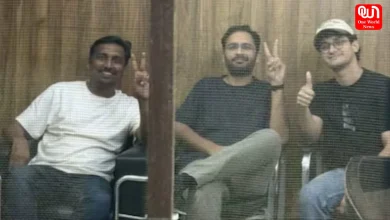
Congress Changes Tack On CJP, Invites Abhijeet Dipke To Rahul Gandhi’s High Tea
ahul Gandhi reaches out to CJP amid Delhi protests, as Congress rethinks its ties with Abhijeet Dipke, Saurav Das and Ashutosh Ranka.

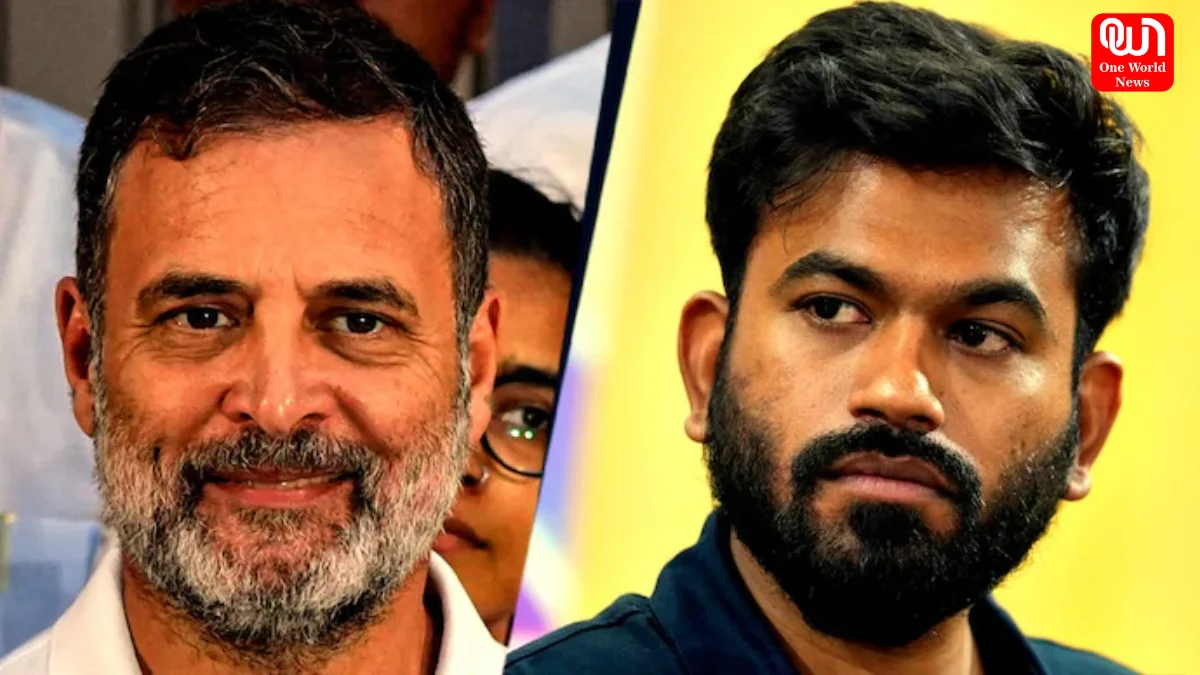
Congress Changes Tack On CJP Protests in Delhi: Rahul Gandhi’s High Tea Invite to Abhijeet Dipke Signals a Shift in Congress CJP Ties After Saurav Das and Ashutosh Ranka Were Sent to Jail
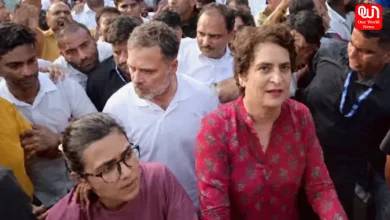
The Congress appears to be changing its approach towards the Cockroach Janta Party (CJP), a youth-led political movement that has gained attention through protests against alleged irregularities and issues affecting students and voters. The latest development came when the Congress reportedly attempted to invite CJP founder Abhijeet Dipke to a high tea hosted by Rahul Gandhi for INDIA bloc leaders, civil society representatives and student leaders.
The outreach marks a potentially significant shift in Congress CJP ties. While sections of the Congress leadership previously viewed the CJP with suspicion, the recent CJP protests in Delhi and the detention of its prominent leaders have brought the organisation into the wider opposition debate. The move also raises questions about whether opposition parties can work together despite differences over political influence and leadership.
Why Congress Is Reconsidering Its Approach Towards CJP
According to reports published on October 15, 2026, the Congress attempted to establish contact with Abhijeet Dipke on Tuesday and extend an invitation to the gathering hosted by Rahul Gandhi. The party reportedly approached lawyer and activist Prashant Bhushan to help communicate the invitation.
The outreach is noteworthy because several Congress leaders have previously viewed the CJP as an offshoot or a possible front of the Aam Aadmi Party (AAP). This perception contributed to the distance between the two sides, even when they raised concerns about similar public issues.
However, the Congress now appears interested in bringing different protest groups together under a broader opposition campaign. The effort reflects a political calculation that cooperation between student organisations, civil society groups and opposition parties could strengthen protests over electoral processes and democratic rights.
Read more: ‘Partnership, Not Alliance’: Jaishankar On India-US Ties And The Bigger Shift Behind Tariffs
CJP Protests Delhi: What Happened at Jantar Mantar?
The CJP protests Delhi gained national attention after the organisation called for demonstrations against Chief Election Commissioner Gyanesh Kumar. The protests were connected to demands for accountability over the Special Intensive Revision (SIR) of electoral rolls and calls for the election chief’s resignation.
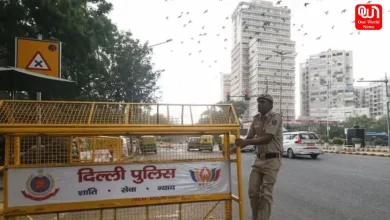
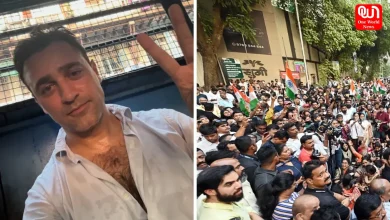
On October 10, CJP leaders Abhijeet Dipke, Saurav Das and Ashutosh Ranka were detained amid heightened security arrangements in the national capital. Authorities took steps to prevent protesters from reaching the designated protest area, while reports estimated that thousands of people were detained across Delhi.
The developments intensified the debate over public demonstrations, police restrictions and the right to peaceful protest. The proposed demonstration did not unfold as the organisers had planned, but the incident increased attention on the movement and its leadership.
Rahul Gandhi’s Support Signals a Political Shift
Rahul Gandhi’s response to the arrests became another important moment in the evolving Congress CJP relationship. He argued that peaceful protesters waving the national flag should not be jailed and called for different groups to unite around their shared concerns.
His message suggested that the Congress was willing to support people raising constitutional questions, even when they belonged to organisations outside its traditional political network.
For the Congress, this approach could help widen its support base among young people and activists. For the CJP, recognition from a senior opposition leader could bring greater visibility to its campaign.
However, public support does not automatically mean that both sides have resolved their differences or established a formal political alliance.
Saurav Das and Ashutosh Ranka Sent to Jail
The detention and subsequent judicial custody of CJP leaders Saurav Das and Ashutosh Ranka became a major point of contention. Reports said the two leaders were sent to five days of judicial custody following their detention over a protest at Jantar Mantar.
The action prompted criticism from opposition leaders and renewed discussion about the treatment of demonstrators. Rahul Gandhi questioned the basis for jailing young protesters over the peaceful display of the Tricolour.
The episode also changed the political context surrounding the CJP. Instead of focusing exclusively on disagreements between opposition groups, the conversation increasingly centred on protest rights and the ability of citizens to demonstrate in public spaces.
Abhijeet Dipke and the CJP’s Growing Influence
Abhijeet Dipke emerged as a prominent face of the movement after a social media post helped popularise the Cockroach Janta Party name. What began as an online expression of frustration developed into a broader youth-led campaign addressing issues such as examination paper leaks, employment opportunities and government accountability.
The organisation’s earlier protests against examination-related controversies attracted considerable public attention. Its activities later expanded to include electoral issues and demands concerning the Election Commission.
Dipke’s political influence now presents both an opportunity and a challenge for established opposition parties. While his movement can attract young supporters, its independent identity means it may not necessarily follow the strategy of larger political organisations.
What the Congress CJP Outreach Means for the INDIA Bloc
The reported invitation to Rahul Gandhi’s high tea reflects the Congress’s interest in building a wider network of opposition supporters. Bringing together political parties, student leaders and civil society representatives could help coordinate campaigns around shared demands.
At the same time, Congress CJP ties remain complicated. Some Congress leaders continue to question the movement’s political affiliations, while CJP leaders have previously criticised sections of the established opposition ecosystem.
The fact that the CJP did not attend the gathering, according to reports, also indicates that the outreach has not yet resulted in direct participation or a settled partnership.
Read more: Neha Bora Gets The Gandhi Spotlight, But Can She Avoid The Kanhaiya Kumar Trap?
Conclusion
The Congress’s reported attempt to invite Abhijeet Dipke to Rahul Gandhi’s high tea marks a notable development in opposition politics. The CJP protests Delhi, the detention of Saurav Das and Ashutosh Ranka, and the wider campaign over electoral issues have created common ground between groups that previously kept their distance.
Whether this shift leads to sustained cooperation remains uncertain. For now, the outreach indicates that the Congress is exploring a broader approach to opposition unity, while the CJP continues to operate as an independent movement focused on youth participation, public accountability and protest rights.
We’re now on WhatsApp. Click to join.
Like this post?
Register at One World News to never miss out on videos, celeb interviews, and best reads.