Delhi Police Denies Contempt of Supreme Court Over October 10 Protests, Issues ‘Unconditional Apology’
Delhi Police defends October 10 protest restrictions as the Centre apologises to the Supreme Court over internet suspension and public order measures.

Delhi Police Denies Contempt Petition Over October 10 Protests as Centre Issues Unconditional Apology to Supreme Court Over Metro Station Closure, Internet Suspension and Public Order Restrictions
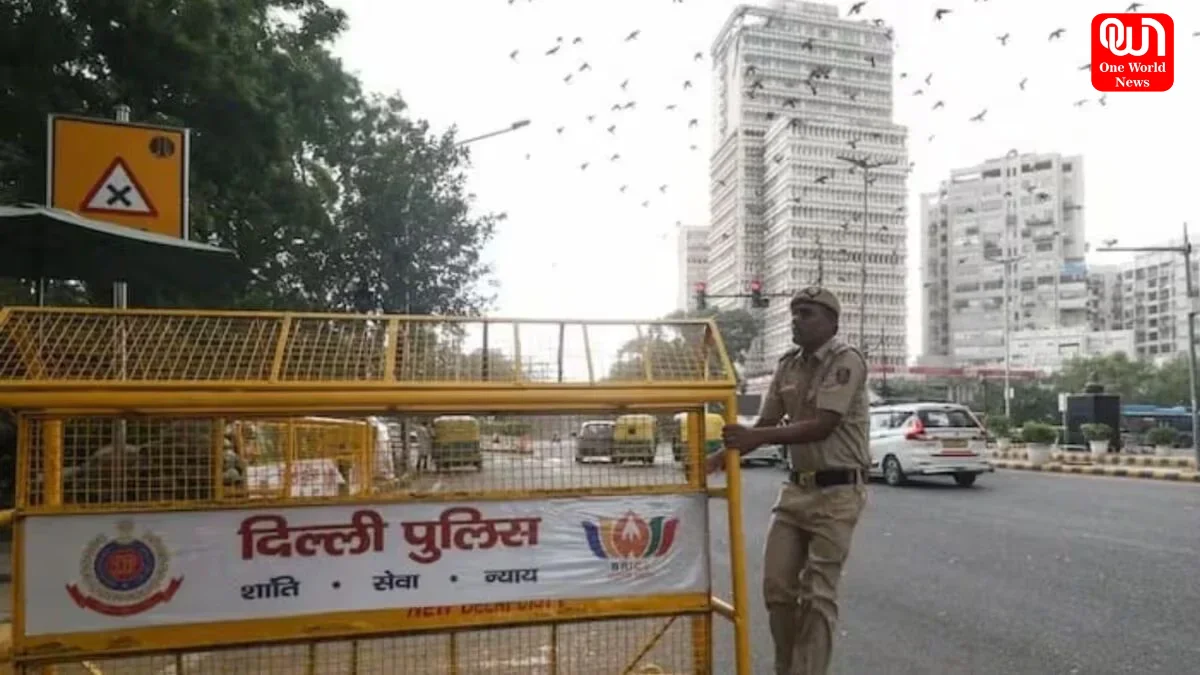
The controversy surrounding the October 10 protests in New Delhi has reached the Supreme Court, with the Delhi Police defending its security measures and the Central government submitting an unconditional apology over the temporary suspension of mobile internet services. The proceedings concern allegations that restrictions imposed during a planned demonstration violated the court’s earlier directions.
The case has drawn attention to the balance between maintaining public order and protecting citizens’ rights to peaceful assembly, movement and communication. Authorities have maintained that their actions were necessary to prevent disturbances, while the contempt petition has raised questions about compliance with judicial orders.
Why Did the Supreme Court Issue Contempt Notices?
The matter relates to a proposed protest organised by the Cockroach Janata Party (CJP) at Jantar Mantar on October 10. The demonstration reportedly sought accountability from Chief Election Commissioner Gyanesh Kumar.
The Supreme Court had issued directions on October 9 concerning restrictions on public transport, including Delhi Metro and railway services. The court clarified that there should not be a complete prohibition on train movement, although necessary measures could be taken to maintain public order.
Following allegations that the directions were not properly followed, advocate Shailendra Mani Tripathi filed a contempt petition. On October 11, the Supreme Court issued notices to Union Home Secretary Govind Mohan, Delhi Police Commissioner Anurag Kumar and Delhi Metro Rail Corporation (DMRC) chairperson D. Thara, seeking their responses.
Read more: Neha Bora Gets The Gandhi Spotlight, But Can She Avoid The Kanhaiya Kumar Trap?
Delhi Police Defends October 10 Protest Restrictions
In its affidavit, the Delhi Police defended its decision to deny permission for the proposed demonstration. The police cited concerns about public safety, traffic management and the possibility of disturbances.
The authorities also referred to previous demonstrations and alleged non-compliance with police directions by protest organisers. According to the police, earlier incidents had involved violence, damage to public and private property, and injuries to personnel.
The police argued that the organisers had not followed the prescribed procedures for obtaining permission to hold the gathering at Jantar Mantar. Officials maintained that the decision was intended to prevent a potential law-and-order situation rather than deliberately disregard the Supreme Court’s directions.
Centre Issues Unconditional Apology Over Internet Suspension
Union Home Secretary Govind Mohan submitted an affidavit offering an unconditional apology to the Supreme Court regarding the temporary suspension of mobile internet services during the October 10 protest.
The Centre denied any wilful or deliberate disobedience of the court’s directions. It argued that the restriction was necessary to prevent rumours, maintain peace and avoid a potential disturbance of public order.
According to the government’s affidavit, mobile internet services were suspended for 24 hours, from 10 PM on October 9 to 10 PM on October 10, within a four-kilometre radius of Raisina Hill. The government clarified that the restriction did not extend to non-cellular internet services such as Wi-Fi and broadband.
The Centre described the measure as proportionate to the security situation and requested relief from the contempt proceedings. It also sought a modification of the Supreme Court’s directions to permit internet suspensions in exceptional circumstances, subject to applicable laws and safeguards.
Metro Station Closure and Public Transport Restrictions
Restrictions on Delhi Metro stations were another major issue in the proceedings. Authorities clarified that the entire Metro network had not been shut down during the protest.
The DMRC stated that entry and exit restrictions affected 45 of Delhi’s 303 Metro stations. Train services continued to operate, although commuters faced disruptions because access to selected stations was restricted.
The Metro authorities also submitted an unconditional apology in response to the contempt notice, maintaining that the measures were implemented following police instructions and did not amount to a complete suspension of services.
The distinction between restricting access to selected stations and stopping the entire network has become important to the legal debate. The Supreme Court’s directions concerned preventing a complete prohibition on public transport while allowing measures required for public safety.
Concerns Over Unlawful Detention and Protest Rights
The October 10 incident also raised concerns about the detention of protesters, political leaders and other individuals. Reports indicated that thousands of people were detained as authorities moved to prevent the planned demonstration from taking place.
The allegations of unlawful detention have added another dimension to the controversy. Questions surrounding the legal basis for detention, access to public spaces and the treatment of peaceful demonstrators remain significant issues in discussions about the incident.
While the police have defended their actions on security grounds, the broader debate concerns how authorities can address genuine threats without imposing restrictions that unnecessarily affect ordinary citizens. The right to peaceful protest must be considered alongside legitimate public safety requirements, and restrictions or detentions must comply with applicable law and relevant judicial directions.
What Happens Next in the Supreme Court Case?
The affidavits submitted by the Centre, Delhi Police and Metro authorities present their respective explanations for the measures taken on October 10. The Supreme Court will consider these submissions while examining the allegations raised in the contempt petition.
An unconditional apology does not automatically mean that contempt proceedings have concluded. The court must determine how the responses affect the allegations and whether further directions are necessary.
The case could also have implications for how authorities manage future demonstrations, particularly regarding transport restrictions, internet shutdowns and security arrangements.
Read more: ‘Partnership, Not Alliance’: Jaishankar On India-US Ties And The Bigger Shift Behind Tariffs
Conclusion
The October 10 protest controversy has placed Delhi Police, the Central government and public transport authorities under judicial scrutiny. While officials argue that the restrictions were necessary to maintain public order, the contempt petition questions whether the measures complied with the Supreme Court’s directions.
The Centre’s unconditional apology over internet suspension represents an important development, but the legal questions surrounding metro station closure, protest restrictions and alleged unlawful detention remain significant. The Supreme Court’s consideration of the affidavits will be crucial in clarifying the responsibilities of authorities when balancing public safety with constitutional rights.
We’re now on WhatsApp. Click to join.
Like this post?
Register at One World News to never miss out on videos, celeb interviews, and best reads.