Vanilla Flavor: Did You Know This Was the World’s First Favourite Flavour? | History of Vanilla
Vanilla Flavor: Discover the history of vanilla, vanilla production, vanillin, culinary uses of vanilla, natural vs synthetic vanilla, and health benefits.

Did You Know This Was the World’s First Favourite Flavour? | History of Vanilla
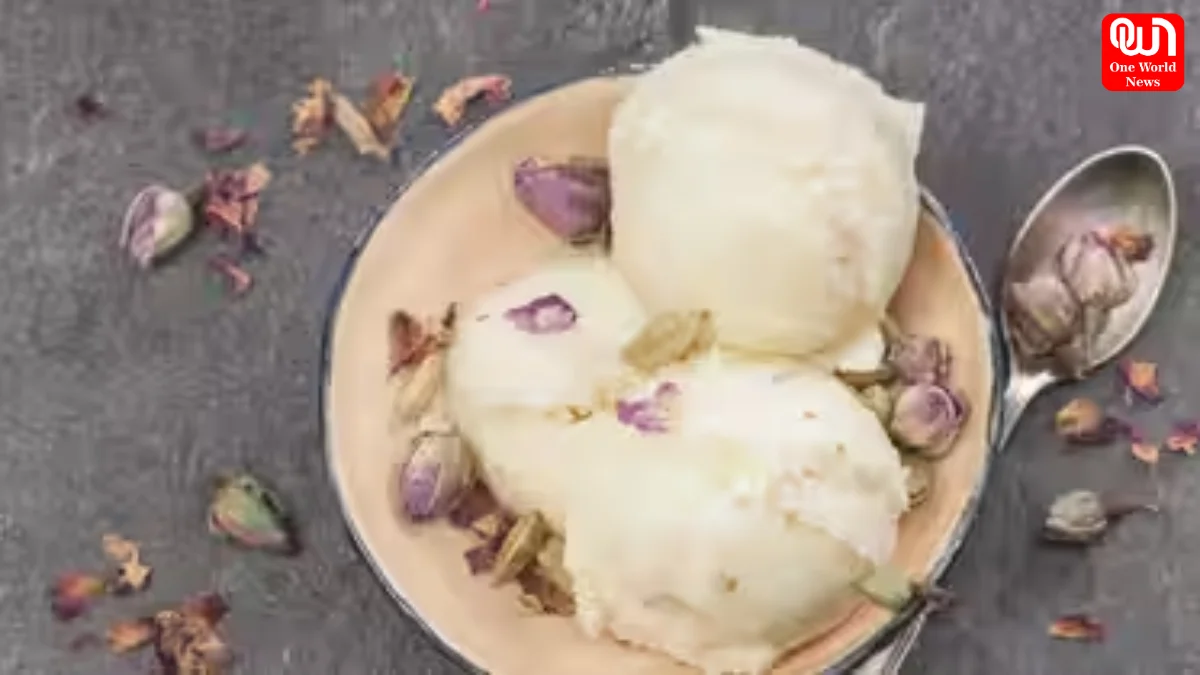
Today, vanilla flavor is found in everything from ice cream and cakes to perfumes, chocolates, coffee, and skincare products. Although many people think of vanilla as a simple or “plain” flavour, it has one of the richest and most fascinating stories in the culinary world. Once considered more valuable than silver, vanilla has travelled from ancient Mexican forests to kitchens worldwide. Its unique aroma, complex taste, and versatility have made it the world’s favourite flavour for centuries. The incredible history of vanilla proves that this beloved spice is anything but ordinary.
The Fascinating History of Vanilla
The history of vanilla begins in the tropical forests of eastern Mexico, where the Totonac people were the first to cultivate the vanilla orchid. Later, the Aztec civilization adopted vanilla and used it to flavour their famous cacao drink, which was enjoyed by royalty and warriors.
When Spanish explorers reached Mexico during the 16th century, they introduced vanilla to Europe. European nobles quickly fell in love with its sweet fragrance and delicate taste. However, because vanilla could only grow naturally in Mexico, it remained a luxury ingredient that only wealthy families could afford.
How Vanilla Production Changed the World
For hundreds of years, growing vanilla outside Mexico was nearly impossible because the orchid relied on the native Melipona bee for pollination. Everything changed in 1841 when Edmond Albius, a 12-year-old boy on Réunion Island, invented the technique of hand-pollinating vanilla flowers.
This simple yet revolutionary discovery transformed global vanilla production. Farmers could now grow vanilla successfully in Madagascar, Indonesia, Uganda, Papua New Guinea, and other tropical regions. Even today, every vanilla flower must be pollinated by hand within just a few hours after blooming, making vanilla one of the world’s most labour-intensive spices.
What Makes Vanilla Flavor So Special?
The secret behind the irresistible vanilla flavor lies in vanillin, the primary compound responsible for its familiar aroma. However, natural vanilla contains more than 250 additional flavour and aroma compounds that create its rich, creamy, floral, and slightly smoky profile.
This complex combination makes real vanilla incredibly versatile. It enhances the taste of chocolate, coffee, fruits, dairy products, baked goods, and even savoury recipes. Unlike many flavours that overpower food, vanilla complements other ingredients beautifully, which explains its lasting popularity.
Natural vs Synthetic Vanilla: What’s the Difference?
One of the biggest debates in the food industry is natural vs synthetic vanilla.
Natural vanilla comes directly from cured vanilla beans harvested from the vanilla orchid. Producing it requires months of cultivation, hand-pollinating vanilla flowers, harvesting, and curing the beans before they develop their signature aroma.
Synthetic vanilla, on the other hand, mainly contains manufactured vanillin. While it mimics the primary flavour of vanilla, it lacks the hundreds of natural compounds that give authentic vanilla its depth and complexity.
Read more: World Polio Day 2026: Raising Awareness to End Polio Forever
Because natural vanilla is expensive and time-consuming to produce, most commercial food products use synthetic vanillin. However, premium desserts, gourmet baking, and luxury food products continue to prefer natural vanilla for its superior flavour.
Popular Culinary Uses of Vanilla
The culinary uses of vanilla extend far beyond ice cream. Professional chefs and home bakers rely on vanilla to elevate both sweet and savoury dishes.
Some of the most common culinary uses include:
- Cakes, cookies, pastries, and muffins
- Ice cream and frozen desserts
- Custards and puddings
- Coffee, milkshakes, and smoothies
- Chocolates and candies
- Yogurt and breakfast cereals
- Sauces and gourmet desserts
Vanilla is also widely used in perfumes, candles, cosmetics, and aromatherapy because of its comforting fragrance.
Health Benefits of Vanilla
Besides its wonderful taste, there are several potential health benefits of vanilla. While more research is still ongoing, vanilla has traditionally been appreciated for its soothing properties.
Some possible health benefits include:
- Rich in antioxidant compounds
- Contains vanillin, which has antimicrobial properties
- May help reduce stress through its calming aroma
- Supports relaxation and positive mood
- Traditionally used to aid digestion
Although vanilla should not be considered a medicine, using natural vanilla instead of artificial flavourings can be a healthier choice in many recipes.
Read more: World Osteoporosis Day 2026: Everything You Need to Know About Bone Health Awareness
Why Vanilla Remains the World’s Favourite Flavour
Despite being called “plain,” vanilla flavor has remained one of the most loved tastes for centuries. Its remarkable history of vanilla, demanding vanilla production process, discovery of hand-pollinating vanilla, rich vanillin content, countless culinary uses of vanilla, ongoing debate over natural vs synthetic vanilla, and impressive health benefits of vanilla all contribute to its timeless appeal.
From ancient Mexican civilizations to modern kitchens across the globe, vanilla continues to be a symbol of comfort, elegance, and exceptional flavour. The next time you enjoy a scoop of vanilla ice cream or a slice of vanilla cake, you’ll know you’re tasting a spice with one of the most extraordinary journeys in culinary history.
We’re now on WhatsApp. Click to join.
Like this post?
Register at One World News to never miss out on videos, celeb interviews, and best reads.