
How Auto Sorting Systems Support Faster Cross-Docking Operations in India
Distribution networks in India face tighter dispatch windows, changing shipment volumes, and increasingly complex flows between inbound receiving and outbound dispatch.

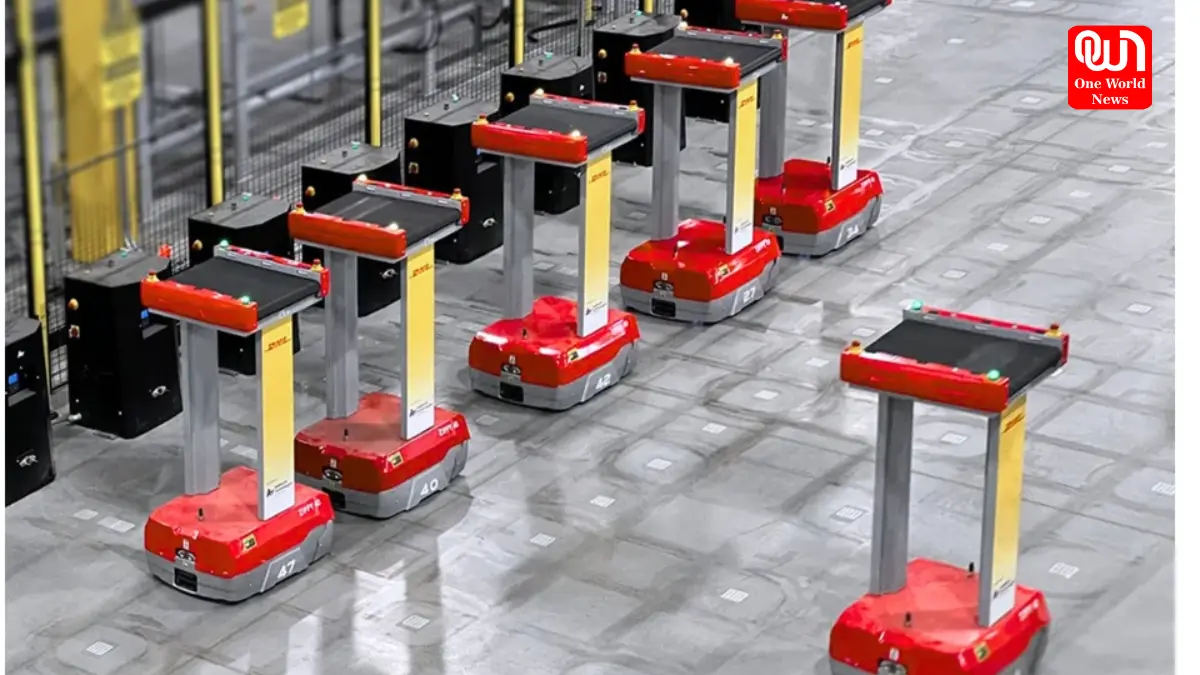
Distribution networks in India face tighter dispatch windows, changing shipment volumes, and increasingly complex flows between inbound receiving and outbound dispatch. Cross-docking moves incoming goods toward their next destination without prolonged storage, but its efficiency depends on identifying, sorting, consolidating, and staging shipments quickly. Manual segregation creates delays when cartons wait for destination decisions while dispatch schedules remain unchanged.
An auto sorting system connects inbound unloading with outbound staging by routing cartons and parcels toward assigned destinations. Modern fulfilment is complex, involving thousands of SKUs, hundreds of destinations, multiple carriers, and return flows that can rise 30–40% week over week after peak periods. Efficient sortation helps warehouses manage these changing requirements without disrupting shipment movement.
Why Faster Sortation Matters in Cross-Docking Operations
Cross-docking depends on moving goods toward the correct outbound destination instead of allowing them to accumulate in receiving or staging areas. An auto sorting system reduces manual identification and segregation, helping maintain continuous movement between unloading, consolidation, and dispatch. Faster destination-based sorting becomes particularly valuable when multiple routes, carriers, and customer orders must be processed simultaneously.
Labour constraints add pressure to these workflows. 78% of warehouses experience labour shortages that increase operating costs by 15–25%. Reducing repetitive sorting tasks allows employees to concentrate on shipment checks, exceptions, and dispatch coordination. For operations in India, the priority is reducing waiting between connected activities rather than accelerating one isolated task.
For more information, download Addverb’s whitepaper – Flexible Sortation Use Cases for Smart Warehouse Operations.
Inbound-to-Outbound Flow Becomes More Direct with Automated Sortation
Automated sortation connects receiving, identification, destination allocation, consolidation, and outbound staging into a more continuous workflow. Items can be directed according to SKU, order, route, or other operational requirements, reducing dependence on manual segregation and repeated handling.
- Receiving and identification: Incoming cartons are unloaded and identified using established scanning and data processes.
- Destination allocation: Sortation rules direct each item toward its assigned outbound lane or shipment group.
- Consolidation and staging: Routed goods are grouped for dispatch and prepared for loading.
This sequence helps facilities in India coordinate inbound arrivals with outbound schedules, provided shipment data, lane assignments, and exception procedures remain accurate. Automation makes established routing decisions easier to execute consistently without eliminating the need for operational planning.
| Cross-Docking Stage | Challenge with Manual Sorting | How an Auto Sorting System Helps |
| Receiving and identification | Cartons wait for destination decisions while dispatch schedules stay fixed | Incoming items are identified through scanning and data processes, so routing can begin immediately |
| Destination allocation | Manual segregation increases the chance of misplaced or wrongly assigned cartons | Defined sortation rules direct each item to its assigned outbound lane or shipment group |
| Consolidation and staging | Cartons accumulate near receiving and take up staging space | Routed goods arrive at staging in a more organised sequence, ready for grouping |
| Dispatch and loading | Unpredictable shipment sequences make loading preparation harder | Consolidated shipments reach dispatch teams more predictably |
| Returns handling | Returned parcels mix with outbound shipments and disrupt dispatch | Returns are routed to designated inspection, restocking, or transfer areas |
Reducing Congestion Across Receiving, Staging, and Dispatch Areas
Manual sorting creates queues when inbound volumes exceed the available team’s handling capacity. Cartons accumulate near receiving, occupy staging space, or require additional movement before reaching their designated outbound lanes. These bottlenecks can delay consolidation and loading, affecting the entire cross-docking process.
Material handling and automation become more effective when sorting is planned alongside the movement of goods throughout the facility. Designated lanes, clear staging rules, and coordinated conveyor or robotic movement help shipments progress without unnecessary circulation. Better-directed flow also allows dispatch teams to receive consolidated shipments in a more predictable sequence, making loading preparations easier to coordinate. For Indian distribution operations experiencing variable arrivals, reducing avoidable accumulation helps maintain consistent movement.
Improving Accuracy While Accelerating Cross-Dock Fulfilment
Speed matters only when shipments reach the correct destination. Manual identification and repeated handling increase opportunities for cartons to be misplaced, assigned to the wrong lane, or delayed by verification checks. An auto sorting system applies defined routing rules consistently, helping goods reach their intended outbound lanes with fewer corrections and less rehandling.
Accurate routing also improves consolidation because shipments arrive at the appropriate staging area in a more organised sequence. Automated picking and sortation systems can improve order fulfilment speed by 300%. Actual results depend on the application and workflow, but this figure illustrates the potential of coordinated sortation. For warehouses in India, fewer misroutes and corrections help protect dispatch schedules and improve service consistency.
Managing Reverse Logistics Through Efficient Returns Sorting
Cross-docking operations must account for returns requiring inspection, restocking, consolidation, or transfer to another location. Without clear identification and routing, returned parcels can mix with outbound shipments, occupy staging space, and interrupt planned dispatch activities. An auto sorting system helps direct returns toward designated processing areas, keeping reverse logistics separate from regular outbound movement.
Efficient returns sorting helps warehouses manage reverse flows without disrupting existing fulfilment priorities.
- Route returned parcels to designated inspection, restocking, consolidation, or transfer areas.
- Keep reverse logistics flows separate from regular outbound shipments to prevent dispatch disruptions.
- Process post-peak return volumes alongside regular inbound and outbound operations without creating unnecessary handling or congestion.
- Coordinate returns collection, destination allocation, and onward movement to maintain an organised cross-docking workflow.
For distribution networks in India, integrating returns sorting into the overall workflow helps teams manage changing return volumes while maintaining predictable movement across receiving, processing, and dispatch areas.
Read more: Asia’s largest eyewear company solution
Addverb’s Robotic Sortation Solutions for Cross-Docking
Addverb’s sortation portfolio includes Zippy, a flexible robotic sorter for SKU-level sorting, and SortIE, a vertical sortation robot designed to direct individual packets to destination locations at different heights. These products address distinct sorting requirements according to item characteristics and available operating space.
Zippy works alongside existing conveyors and warehouse systems, sorting payloads up to 40 kg at 2 m/s and performing up to 30,000 sorts per hour, with 100% accuracy for SKU-level sortation. Its flexible configuration accommodates changing destinations without redesigning the entire sorting environment.
SortIE integrates with conveying systems and performs SKU- and order-wise intelligent sorting, directing packets to designated locations at different heights. These capabilities help connect inbound material movement with organised outbound processing, making the products relevant to cross-docking workflows.
Read More: How to Remove Personal Information from Google Search
Conclusion
Faster cross-docking depends on moving goods from receiving to the correct outbound destination with minimal waiting, unnecessary handling, and rework. Automated sortation strengthens this connection through consistent routing, reduced manual intervention, and better coordination across shipment flows. Its effectiveness still depends on accurate shipment data, well-defined lanes, and coordination between receiving, staging, and dispatch.
For warehouses in India seeking dependable dispatch execution, sortation should be evaluated as part of the complete cross-docking workflow rather than as a standalone installation. Addverb’s Zippy and SortIE offer distinct robotic sorting approaches, helping facilities align their technology choices with item flows, destination requirements, and available space.
We’re now on WhatsApp. Click to join.
Like this post?
Register at One World News to never miss out on videos, celeb interviews, and best reads.