Onam Sadya 2026: Traditional Kerala Recipes To Try For the Festive Feast
Discover Onam Sadya 2026 with traditional Kerala recipes, Onam feast dishes, art and culture, lifestyle traditions, and festive food ideas.

Onam Sadya 2026: Traditional Kerala Recipes, Onam Feast Dishes, Art and Culture & Lifestyle Guide
Onam is one of Kerala’s most celebrated festivals, bringing together traditions, family gatherings, colourful decorations, music, dance and, of course, an elaborate feast. In 2026, Thiruvonam falls on August 26, making it an important day for families preparing their traditional celebrations.
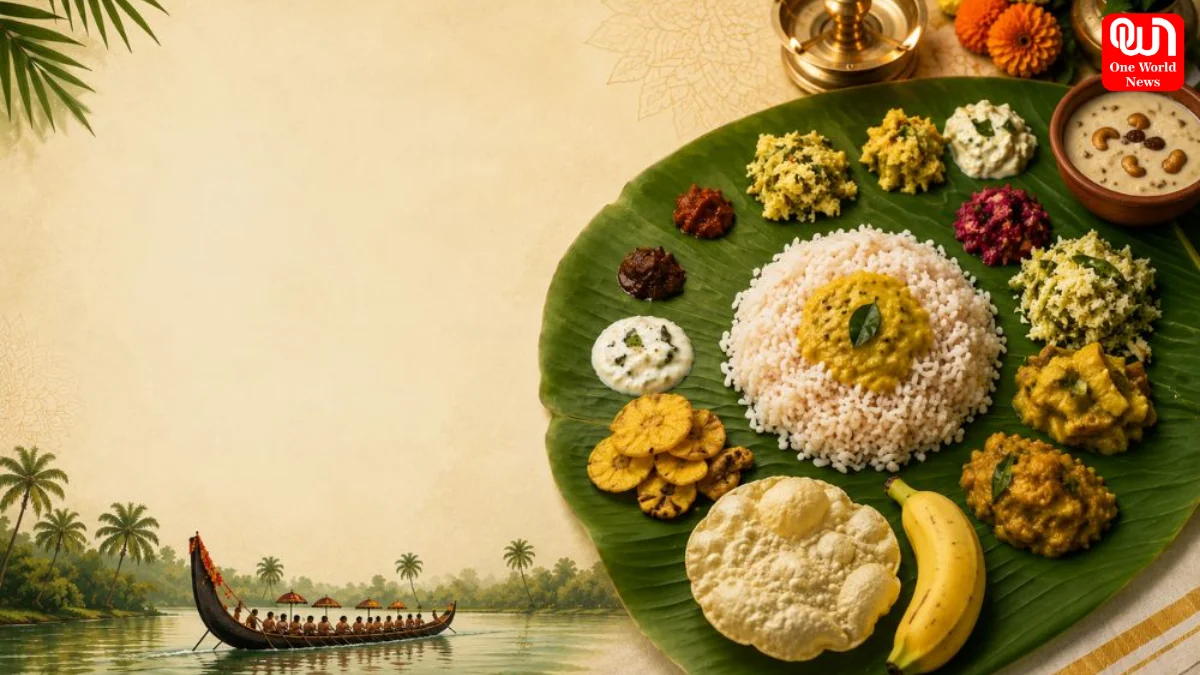
At the heart of the festival is Onam Sadya, a vegetarian feast traditionally served on a banana leaf. It is much more than a meal. The Sadya reflects Kerala’s rich art and culture, culinary traditions and simple yet flavourful lifestyle. A traditional feast can include numerous dishes, each offering a different combination of sweet, sour, spicy, salty and mildly bitter flavours.
If you want to recreate an authentic Onam feast at home in 2026, these traditional Kerala recipes are a great place to start.
1. Kerala Matta Rice – The Main Part of Sadya
A Sadya is incomplete without Kerala-style red rice, commonly known as Matta rice. It has a distinctive texture and earthy flavour that pairs beautifully with the different curries and side dishes served during the meal.
The rice is generally placed in the centre of the banana leaf, with other preparations arranged around it. Sambar, rasam, curries and pickles are then enjoyed with the rice in different combinations.
2. Avial – A Classic Onam Sadya Dish
Avial is one of the most popular Onam Sadya dishes. It is prepared using a combination of vegetables such as raw banana, carrot, beans, drumstick and yam. The vegetables are cooked with coconut, green chilli and yogurt, creating a mildly spiced and creamy preparation.
The beauty of avial lies in its simplicity. Fresh vegetables and coconut give the dish its characteristic Kerala flavour without requiring heavy spices.
Read more: World Vegan Day 2026: History, Significance, Health Benefits & How to Celebrate
3. Sambar – A Comforting South Indian Favourite
Sambar adds a delicious combination of lentils, vegetables, tamarind and spices to the Sadya. Kerala-style sambar can be prepared with vegetables such as pumpkin, drumstick, brinjal and carrots.
During an Onam feast, sambar is usually enjoyed with rice and can be mixed with other preparations for a satisfying main course.
4. Olan – Mild, Creamy and Traditional
Olan is a subtle dish made with ash gourd and cowpeas cooked in coconut milk. Unlike spicy curries, Olan has a delicate flavour and relies on coconut milk and a small amount of seasoning.
It is an excellent example of Kerala’s traditional cooking philosophy, where natural ingredients are allowed to retain their individual flavours.
5. Thoran – A Simple Vegetable Preparation
Thoran is another essential addition to many Sadya menus. Finely chopped vegetables are cooked with grated coconut, green chilli and simple seasoning. Cabbage, beans and carrot are commonly used.
Its dry texture makes it a perfect accompaniment to rice and wetter curries. Different households may prepare different versions depending on locally available vegetables and family traditions.
6. Pachadi and Kichadi for a Fresh Flavour
Pachadi and kichadi bring a refreshing element to the traditional Sadya. Pachadi is often prepared using ingredients such as pineapple or cucumber with yogurt and coconut, while kichadi commonly uses vegetables such as cucumber or bitter gourd.
These dishes provide a pleasant contrast to spicy and savoury preparations, making the overall meal more balanced.
7. Kerala-Style Payasam – The Sweet Ending
No Onam Sadya feels complete without payasam. Popular varieties include Palada Payasam, Parippu Payasam and Ada Pradhaman. Depending on the recipe, payasam can be made with milk, jaggery, coconut milk, rice, lentils or ada.
Ada Pradhaman, made with rice ada and jaggery-based coconut milk, is particularly associated with festive Kerala cuisine. Served at the end of the meal, it provides a rich and satisfying conclusion to the feast.
Bringing Kerala’s Lifestyle and Culture to the Table
The importance of Sadya goes beyond individual recipes. Sitting together for a traditional meal represents hospitality, togetherness and community. The banana leaf itself is an important part of the dining tradition, while the variety of dishes showcases Kerala’s agricultural produce and culinary heritage.
From art and culture to food and family traditions, Onam offers a glimpse into the distinctive lifestyle of Kerala. Preparing an Onam feast at home can therefore be a wonderful way to experience the festival while introducing younger generations to traditional food customs.
Read mkore: International Stout Day 2026: Date, History, Significance and Ways to Celebrate
Make Your Onam Sadya Special in 2026
Whether you prepare five dishes or a much larger spread, the real charm of Onam Sadya dishes lies in their variety, freshness and traditional preparation. Avial, Olan, Thoran, Sambar, Pachadi, Kichadi, rice and Payasam can create a delicious festive menu without making the celebration overly complicated.
This Onam 2026, bring family and friends together, serve the food traditionally on banana leaves and enjoy the flavours of Kerala. A thoughtfully prepared Onam feast is not simply a collection of recipes—it is a celebration of heritage, hospitality, togetherness and the vibrant culture that makes Onam so special.
We’re now on WhatsApp. Click to join.
Like this post?
Register at One World News to never miss out on videos, celeb interviews, and best reads