
Maxivision Sri Mahalakshmi Super Speciality Eye Hospitals Explains What 6/9 Vision Means: Should You Worry About Your Eye Test Results?
Learn what 6/9 vision means with Maxivision Sri Mahalakshmi Super Speciality Eye Hospitals. Know when 6/9 vision needs treatment.

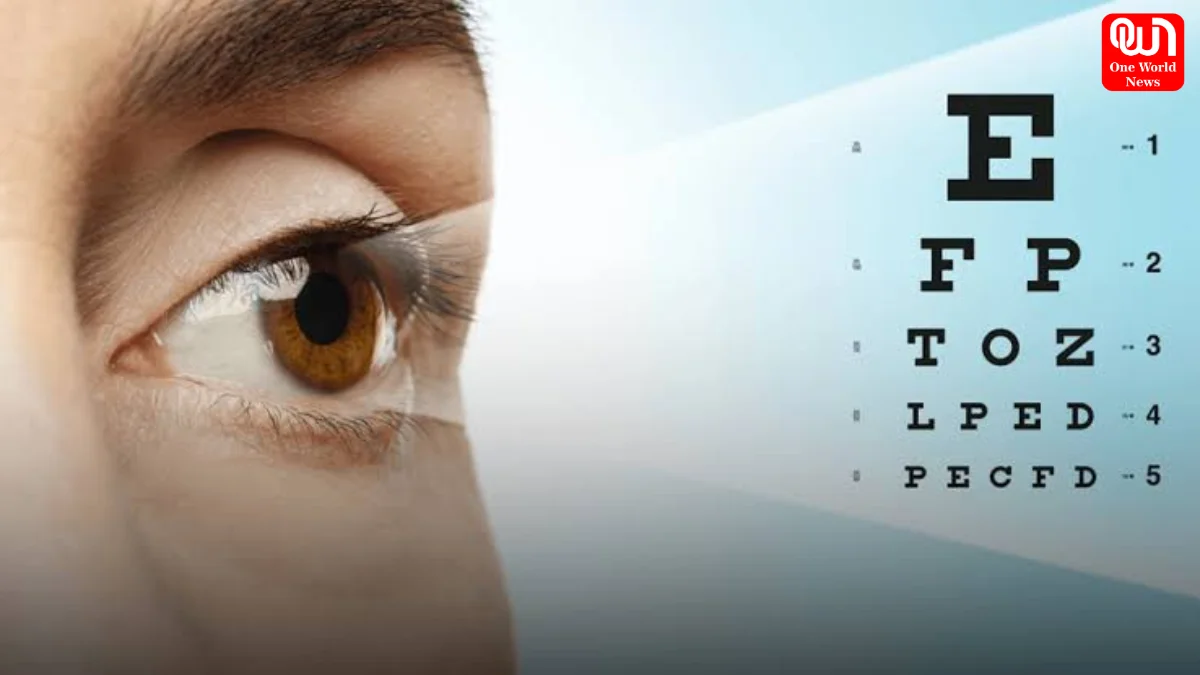
If Your Eye Test Says 6/9, Don’t Panic Yet: Maxivision Sri Mahalakshmi Super Speciality Eye Hospitals Explains What Does 6/9 Eye Care Mean, What Is 6/9 Vision, When It Requires Treatment, and How to Protect Your Vision Health
Many people become worried when their eye test report shows 6/9 vision instead of the familiar 6/6. However, in most cases, there is no need to panic. A 6/9 vision result simply means your eyesight is slightly below the standard benchmark, but it does not necessarily indicate a serious eye disease. Understanding what does 6/9 eye care mean can help you make informed decisions about your vision health. According to experts at Maxivision Sri Mahalakshmi Super Speciality Eye Hospitals, a proper eye examination is the best way to determine whether your vision requires correction or if it is simply a minor variation in visual acuity.
What Does 6/9 Eye Care Mean?
If you’re wondering what is 6/9 vision, here’s a simple explanation.
The numbers in your eye test represent the distance at which you can clearly read letters on a vision chart. A 6/6 vision means you can see clearly at six metres what a person with normal eyesight should see at six metres.
In contrast, 6/9 vision means you can only see at six metres what a person with normal eyesight can see from nine metres away. This indicates a slight reduction in distance vision but is generally considered a mild visual impairment rather than a serious condition.
Is 6/9 Vision Bad?
The simple answer is no.
Many people with 6/9 vision perform everyday activities without difficulty. Reading, using a computer, watching television, and most routine tasks are usually unaffected. Some individuals may notice slight difficulty reading distant road signs, classroom boards, or presentation screens.
In many cases, people with 6/9 vision do not even realize their eyesight has changed until they undergo a routine eye examination. Whether treatment is required depends on your symptoms, occupation, age, and lifestyle rather than the number alone.
What Causes 6/9 Vision?
Several factors may contribute to slightly reduced visual acuity.
Common causes include:
- Mild short-sightedness (myopia)
- Astigmatism
- Early long-sightedness (hyperopia)
- Eye strain caused by prolonged screen use
- Age-related focusing changes
- Temporary dry eyes
Occasionally, other eye conditions may also affect vision, which is why a comprehensive eye examination is always recommended instead of relying only on the visual acuity score.
Read more: World Osteoporosis Day 2026: Everything You Need to Know About Bone Health Awareness
Do You Need Glasses for 6/9 Vision?
Not everyone with 6/9 vision needs glasses.
Your eye specialist may recommend spectacles if you experience:
- Frequent headaches
- Difficulty driving
- Blurred distance vision
- Eye fatigue
- Trouble reading classroom or office displays
Some individuals only require glasses for specific activities such as driving, attending lectures, or watching movies. Others may not require any correction at all if their daily life is unaffected. The decision depends on your overall vision health and professional eye assessment.
When Should You Be Concerned?
Although 6/9 vision is usually not an emergency, there are situations where immediate medical attention is important.
Consult an eye specialist if you experience:
- Sudden vision loss
- Rapid worsening of eyesight
- Double vision
- Eye pain
- Flashes of light or floaters
- Persistent redness
- Difficulty seeing at night
These symptoms could indicate more serious eye conditions that require prompt diagnosis and treatment.
How Is 6/9 Vision Diagnosed?
An eye examination involves much more than reading letters on a chart.
Specialists typically perform:
- Visual acuity testing
- Refraction test to determine spectacle power
- Eye pressure measurement
- Retinal examination
- Corneal evaluation
- Overall eye health assessment
These tests help determine whether the reduced vision is simply due to refractive error or an underlying eye condition.
Tips to Maintain Good Vision Health
Protecting your eyesight should be a lifelong priority.
Here are a few simple habits that support good vision health:
- Schedule comprehensive eye check-ups regularly.
- Follow the 20-20-20 rule during screen time.
- Eat foods rich in Vitamin A, C, E, zinc, and omega-3 fatty acids.
- Wear sunglasses with UV protection outdoors.
- Keep diabetes and blood pressure under control.
- Avoid smoking, which increases the risk of eye diseases.
- Get adequate sleep to reduce eye strain.
These healthy practices can help preserve your eyesight and detect problems early.
Why Choose Maxivision Sri Mahalakshmi Super Speciality Eye Hospitals?
When it comes to expert eye care, Maxivision Sri Mahalakshmi Super Speciality Eye Hospitals offers advanced diagnostic technology, experienced ophthalmologists, and comprehensive treatment for a wide range of eye conditions. Whether you have questions about what does 6/9 eye care mean, need a routine eye examination, or require advanced vision correction, their specialists provide personalised care focused on long-term vision health.
read more: World Polio Day 2026: Raising Awareness to End Polio Forever
Conclusion
Receiving an eye test result showing 6/9 vision should not immediately cause concern. In most cases, it simply reflects a mild reduction in distance vision that can often be corrected—or may not require treatment at all. Understanding what is 6/9 vision and seeking professional evaluation when symptoms develop are the best ways to protect your eyesight. Regular eye examinations at Maxivision Sri Mahalakshmi Super Speciality Eye Hospitals can help ensure early detection, timely treatment, and lifelong eye care for healthy vision.
We’re now on WhatsApp. Click to join.
Like this post?
Register at One World News to never miss out on videos, celeb interviews, and best reads.