World Osteoporosis Day 2026: Everything You Need to Know About Bone Health Awareness
World Osteoporosis Day 2026 is observed on October 20 to promote bone health, osteoporosis prevention, early diagnosis, and healthy living.

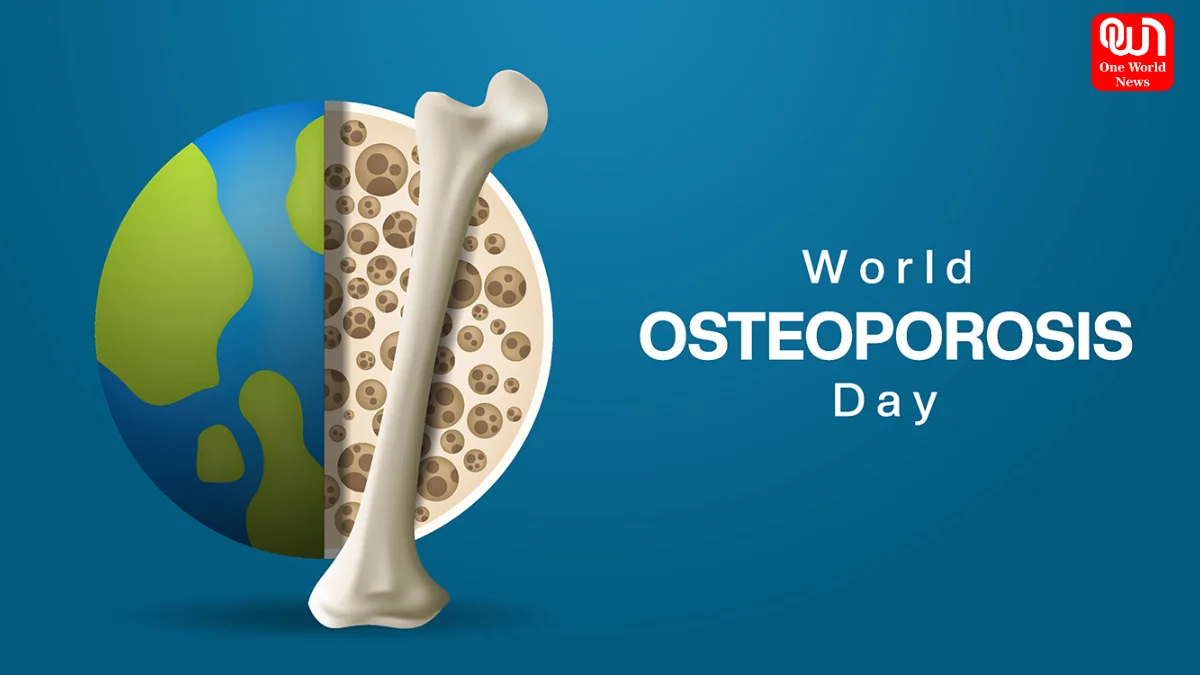
World Osteoporosis Day 2026: Date, Importance, History, Theme, Risk Factors, Prevention Tips, and How to Build Strong Bones
Every year, World Osteoporosis Day 2026 will be observed on 20 October 2026 to raise global awareness about osteoporosis, a condition that weakens bones and increases the risk of fractures. The annual campaign encourages people of all ages to take better care of their bones through healthy eating, regular exercise, and early screening. The day is led by the International Osteoporosis Foundation (IOF) and supported by healthcare organizations, governments, and medical professionals in more than 90 countries.
As life expectancy continues to increase around the world, maintaining strong bones has become more important than ever. World Osteoporosis Day 2026 serves as a reminder that osteoporosis is largely preventable and manageable when detected early.
What is World Osteoporosis Day 2026?
World Osteoporosis Day 2026 is an international health awareness campaign dedicated to educating people about osteoporosis and other metabolic bone diseases. It aims to reduce the number of fractures caused by weak bones through better awareness, timely diagnosis, and appropriate treatment.
read more: World Spine Day 2026: Date, Theme, Importance, and Tips for Better Spine Health
The campaign encourages individuals to understand their personal risk factors, discuss bone health with healthcare professionals, and adopt habits that promote lifelong bone strength. Each year, organizations around the globe host educational seminars, health screenings, awareness walks, webinars, and community events to spread awareness.
Date and Significance of World Osteoporosis Day 2026
World Osteoporosis Day 2026 falls on Tuesday, October 20, 2026. The observance highlights the growing global burden of osteoporosis, which affects millions of people, especially older adults and postmenopausal women.
Osteoporosis is often called the “silent disease” because it develops without noticeable symptoms until a fracture occurs. Many people remain unaware that they have weak bones until they experience a broken wrist, hip, or spine. Raising awareness can help people seek early diagnosis and reduce the risk of serious complications.
History of World Osteoporosis Day
World Osteoporosis Day was first launched in 1996 by the UK’s National Osteoporosis Society. Since 1997, the International Osteoporosis Foundation has organized the global campaign, while the World Health Organization supported it during its early years.
Today, the campaign has become one of the world’s largest bone health awareness initiatives, reaching millions of people every year through educational programs, healthcare partnerships, and public awareness campaigns.
Who Is at Risk of Osteoporosis?
Although anyone can develop osteoporosis, certain individuals have a higher risk, including:
- Women after menopause
- Adults over 50 years of age
- People with a family history of osteoporosis
- Individuals with low calcium or vitamin D intake
- Smokers and heavy alcohol consumers
- People who are physically inactive
- Individuals taking long-term steroid medications
Understanding these risk factors is one of the primary goals of World Osteoporosis Day 2026.
How to Prevent Osteoporosis
Preventing osteoporosis starts with healthy lifestyle choices. Some of the most effective preventive measures include:
- Eat calcium-rich foods such as milk, yogurt, cheese, leafy greens, and almonds.
- Get enough vitamin D through sunlight exposure or supplements if recommended.
- Perform weight-bearing exercises like walking, jogging, dancing, or strength training.
- Avoid smoking and excessive alcohol consumption.
- Maintain a healthy body weight.
- Schedule bone density screening if you are at higher risk.
Simple daily habits can make a significant difference in maintaining bone strength throughout life.
Symptoms of Osteoporosis
In its early stages, osteoporosis usually has no obvious symptoms. As bones become weaker, individuals may experience:
- Frequent bone fractures
- Loss of height over time
- Back pain caused by spinal fractures
- Stooped posture
- Reduced mobility after minor falls
Early diagnosis through bone mineral density testing helps prevent severe complications.
Why World Osteoporosis Day 2026 Matters
The importance of World Osteoporosis Day 2026 extends beyond awareness. It encourages governments, healthcare providers, and communities to prioritize bone health through education, preventive care, and improved access to diagnosis and treatment.
read more: World Menopause Day 2026: Raising Awareness, Breaking Stigma & Supporting Women’s Health
Millions of fractures each year could be prevented through better awareness, healthy lifestyles, and timely medical intervention. By understanding osteoporosis and taking preventive action early, individuals can enjoy healthier, stronger, and more active lives well into old age.
Conclusion
World Osteoporosis Day 2026 reminds us that strong bones are essential for a healthy and independent life. Whether you are young or old, taking care of your bone health today can reduce your risk of osteoporosis tomorrow. Eating a balanced diet, staying physically active, getting regular health check-ups, and understanding your personal risk factors are simple yet effective ways to protect your bones. On 20 October 2026, join the global effort to spread awareness and encourage everyone to build stronger bones for a healthier future.
We’re now on WhatsApp. Click to join.
Like this post?
Register at One World News to never miss out on videos, celeb interviews, and best reads.