World Polio Day 2026: Raising Awareness to End Polio Forever
World Polio Day 2026 highlights the importance of vaccination, global awareness, and collective efforts to achieve a polio-free world.

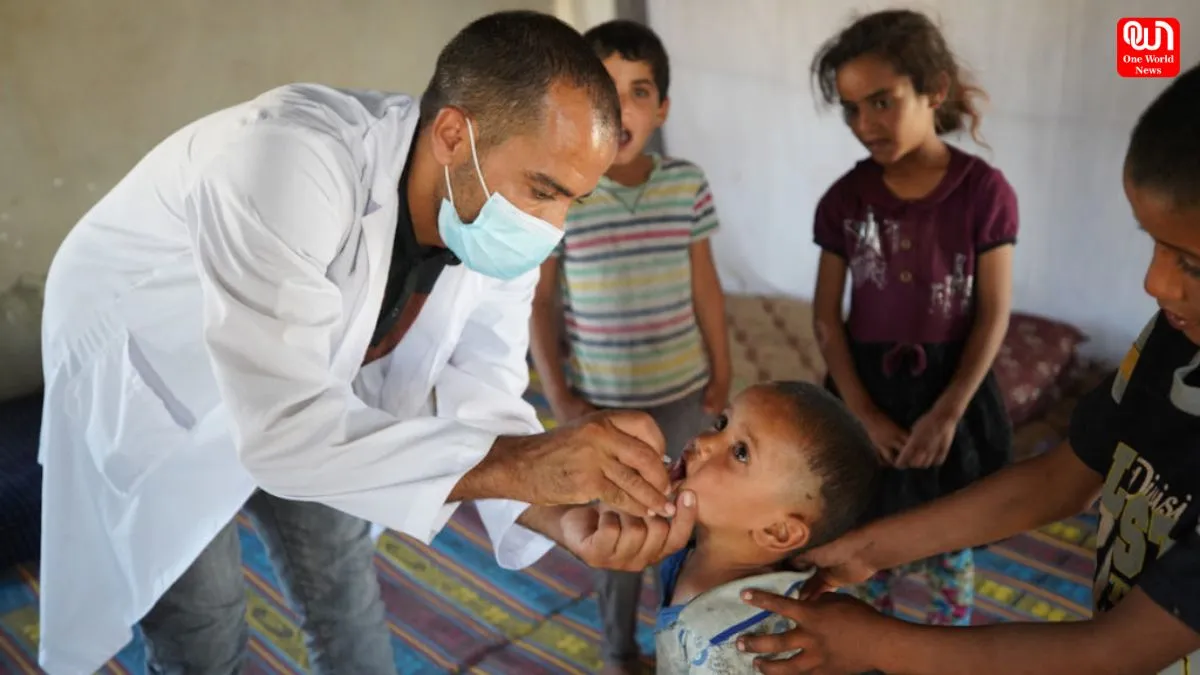
World Polio Day 2026: History, Significance, Theme, Importance of Vaccination, Global Progress, and How Everyone Can Help Eradicate Polio
Every year on 24 October, people around the world observe World Polio Day to spread awareness about polio, encourage vaccination, and celebrate the remarkable progress made toward eliminating this life-changing disease. World Polio Day 2026 reminds governments, healthcare professionals, parents, and communities that although great progress has been achieved, the fight against polio is not over. Continued immunisation, public awareness, and global cooperation remain essential to protect children everywhere.
Polio once affected hundreds of thousands of children each year, causing paralysis and lifelong disabilities. Thanks to decades of vaccination campaigns, the disease has been eliminated in most countries. However, maintaining high vaccination coverage is still necessary to prevent outbreaks and achieve complete global eradication.
What is World Polio Day?
World Polio Day 20262026 is observed annually on 24 October. The day honours the birth of Dr. Jonas Salk, who developed one of the first successful polio vaccines. It also recognises the dedication of healthcare workers, volunteers, researchers, governments, and organisations that continue working to eliminate polio worldwide.
The day serves as an opportunity to educate people about the importance of vaccines and encourage parents to ensure that every child receives all recommended doses of the polio vaccine.
Why is World Polio Day Important?
Despite significant medical advancements, polio remains a public health concern in a few parts of the world. The virus spreads easily, particularly where immunisation coverage is low and sanitation conditions are poor.
World Polio Day 20262026 aims to:
- Increase awareness about poliovirus.
- Promote routine childhood vaccination.
- Support global eradication programmes.
- Honour healthcare workers and volunteers.
- Encourage governments to strengthen immunisation services.
- Protect future generations from preventable diseases.
Every vaccinated child brings the world one step closer to eliminating polio forever.
What is Polio?
Polio, or poliomyelitis, is a highly infectious viral disease caused by the poliovirus. It mainly affects children under the age of five but can infect anyone who has not been vaccinated.
The virus attacks the nervous system and, in severe cases, can cause permanent paralysis or even death. Many infected individuals may not show symptoms, making vaccination the most effective method of prevention.
read more: World Osteoporosis Day 2026: Everything You Need to Know About Bone Health Awareness
Symptoms of Polio
Many people infected with polio experience mild or no symptoms. Others may develop:
- Fever
- Headache
- Fatigue
- Sore throat
- Muscle weakness
- Neck stiffness
- Pain in the limbs
In severe cases, the infection can lead to paralysis, particularly in the legs, making prevention through vaccination extremely important.
How Can Polio Be Prevented?
The most effective way to prevent polio is through vaccination.
Children should receive all recommended doses according to national immunisation schedules. Governments worldwide continue organising immunisation drives to ensure every child is protected.
Additional preventive measures include:
- Maintaining proper hygiene
- Washing hands regularly
- Drinking clean water
- Improving sanitation
- Participating in vaccination campaigns
Vaccines remain one of the safest and most effective public health tools ever developed.
Global Progress Against Polio
The global fight against polio has achieved remarkable success over the past few decades. Since the launch of international eradication efforts in 1988, polio cases have declined dramatically.
Many regions, including India, have successfully maintained their polio-free status through continuous vaccination programmes and surveillance. However, experts warn that stopping vaccination too early could allow the virus to return. Continued monitoring and immunisation remain essential until global eradication is achieved.
How You Can Support World Polio Day 2026
Everyone can contribute to the success of World Polio Day 2026 by taking simple actions:
- Ensure children receive all recommended vaccinations.
- Share accurate health information with family and friends.
- Participate in local awareness campaigns.
- Support healthcare workers and volunteers.
- Encourage communities to trust science and vaccination.
- Promote healthy hygiene practices.
Even small actions can help protect communities and save lives.
read mkore: World Osteoporosis Day 2026: Everything You Need to Know About Bone Health Awareness
The Future Without Polio
The vision of a world free from polio is closer than ever before. Advances in vaccine development, stronger surveillance systems, and international cooperation continue to strengthen eradication efforts. However, success depends on maintaining high vaccination coverage and ensuring that no child is left unprotected.
Conclusion
World Polio Day 2026 serves as a powerful reminder that preventing disease is far easier than treating it. Vaccination has already saved millions of lives and protected countless children from paralysis. By supporting immunisation programmes, spreading awareness, and encouraging every family to vaccinate their children, we can move closer to a future where polio exists only in history books. On this World Polio Day, let us renew our commitment to protecting every child and creating a healthier, polio-free world for generations to come.
We’re now on WhatsApp. Click to join.
Like this post?
Register at One World News to never miss out on videos, celeb interviews, and best reads.