
Why Dairy Is Comforting: Why Milk Feels Comforting, Why Cheese Is Comforting & Lactose Intolerance Explained
Why dairy is comforting varies by taste, digestion, and biology. Learn why milk feels comforting, why cheese is comforting, and what causes lactose intolerance.

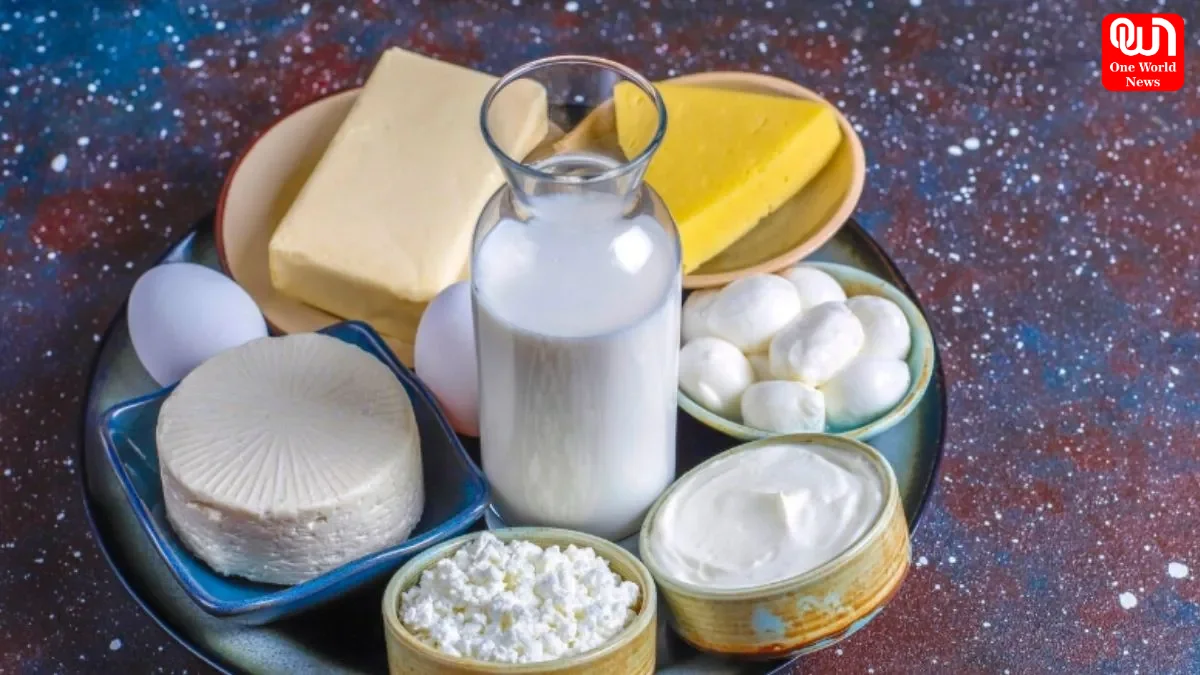
Why Do Some People Find Dairy Comforting While Others Can’t Tolerate It? The Science Behind Why Dairy Is Comforting, Milk Feels Comforting, and Lactose Intolerance
For some people, a warm glass of milk, creamy yogurt, or a slice of cheese can feel deeply satisfying and comforting. For others, dairy may mean bloating, gas, stomach pain, or diarrhea. So, why does the same category of food create such different experiences?
The answer involves a combination of taste, texture, food memories, digestion, and individual biology. Understanding the science behind dairy can explain why dairy feels comforting to some people while others experience discomfort, particularly those with lactose intolerance.
Why Dairy Is Comforting to Some People
One reason why dairy is comforting is its combination of fat, protein, sweetness, creaminess, and aroma. These sensory characteristics can make foods such as cheese, ice cream, yogurt, and milk highly palatable.
Fat is particularly important because dietary fat can activate sensory and reward pathways involved in appetite and food preference. Research suggests that signals generated by fatty foods are integrated by the brain’s reward system, which can contribute to the appeal of rich, creamy foods.
Dairy can also be part of familiar meals and routines. A person’s emotional response to a food is not determined only by its nutrients. Childhood experiences, family traditions, cultural habits, and positive memories can make particular foods feel reassuring or familiar.
Why Milk Feels Comforting
The question of why milk feels comforting may have several answers. Milk has a naturally mild flavor, smooth texture, and creamy mouthfeel. For many people, these characteristics create a pleasant sensory experience.
Milk also contains carbohydrates, protein, and fat, providing a combination of nutrients that can make it satisfying. In addition, milk proteins can be broken down during digestion into smaller peptides. Scientists have investigated milk-derived peptides, including casomorphins, for their biological activity, although their contribution to everyday feelings of comfort in humans is still an area of research and should not be overstated.
This means the idea that milk automatically produces a powerful calming or opioid-like effect is too simplistic. The comforting experience is more likely to involve several sensory, nutritional, psychological, and physiological factors working together.
Why Cheese Is Comforting
So, why cheese is comforting may be easier to understand when its composition and sensory properties are considered. Cheese combines fat, protein, salt, aroma, and umami flavors. Many varieties also have a creamy or firm texture that contributes to their appeal.
Cheese is also produced through fermentation and aging, processes that create distinctive flavors and aromas. Hard cheeses such as cheddar and Swiss generally contain considerably less lactose than milk, making them easier for some lactose-intolerant people to tolerate.
This helps explain why someone may enjoy cheese without experiencing the same digestive response they get from drinking milk.
Dairy Comfort Food Science: The Gut and Brain Connection
Dairy comfort food science also involves the gut-brain connection. The digestive system and brain communicate through neural, hormonal, and immune pathways. Research into dairy and the gut-brain axis is exploring how milk components and digestion may influence gastrointestinal sensations and other physiological responses.
Read morre: Onam Sadya 2026: Traditional Kerala Recipes To Try For the Festive Feast
However, scientists are still investigating many of these mechanisms. It would be inaccurate to claim that dairy universally improves mood or reduces stress.
For some people, dairy may actually produce the opposite experience because digestive symptoms can overshadow any pleasurable sensory effects.
Why Lactose Intolerance Makes Dairy Uncomfortable
The major difference comes down to digestion for many people. Lactose intolerance occurs when the small intestine does not produce enough lactase, the enzyme needed to break down lactose, the natural sugar found in milk.
When lactose is not fully digested, it passes into the colon, where bacteria break it down and produce gas and additional fluid. This can result in bloating, abdominal pain, gas, diarrhea, nausea, and other digestive symptoms.
Importantly, lactose intolerance is different from a milk allergy. Lactose intolerance involves difficulty digesting lactose, whereas a milk allergy involves an immune response to milk proteins.
Can Lactose-Intolerant People Still Enjoy Dairy?
Lactose intolerance does not necessarily mean every dairy product must be eliminated. Tolerance varies considerably from person to person. NIDDK notes that many people with lactose intolerance can consume some lactose without symptoms.
Small portions, consuming dairy with meals, lactose-free products, yogurt, and lower-lactose hard cheeses may be easier for some individuals to tolerate. Lactase products can also help some people digest lactose.
If dairy is consistently causing digestive problems, however, it is useful to discuss symptoms with a healthcare professional because other digestive conditions can produce similar symptoms.
Read more: Raksha Bandhan 2026: Easy Samosa Recipe To Make In Under 30 Minutes
The Bottom Line
The reason some people find dairy comforting while others cannot tolerate it is not simply about liking or disliking milk. Why dairy is comforting can involve its creamy texture, fat content, flavor, nutritional properties, personal experiences, and the brain’s reward response. At the same time, individual digestive biology can determine whether that experience is pleasurable or uncomfortable.
For people with lactose intolerance, understanding personal tolerance levels and choosing suitable dairy options can make it possible to enjoy some dairy foods without unnecessary discomfort. Ultimately, dairy affects everyone differently, and the science shows that both the brain and the digestive system play important roles in that experience.
We’re now on WhatsApp. Click to join.
Like this post?
Register at One World News to never miss out on videos, celeb interviews, and best reads.