World Zoonoses Day 2026: Raising Awareness About Animal-to-Human Diseases
World Zoonoses Day 2026 highlights awareness, prevention, and global action against zoonotic diseases spreading from animals to humans.

World Zoonoses Day 2026: Importance, History, Prevention Tips, and the Role of One Health in Preventing Zoonotic Diseases
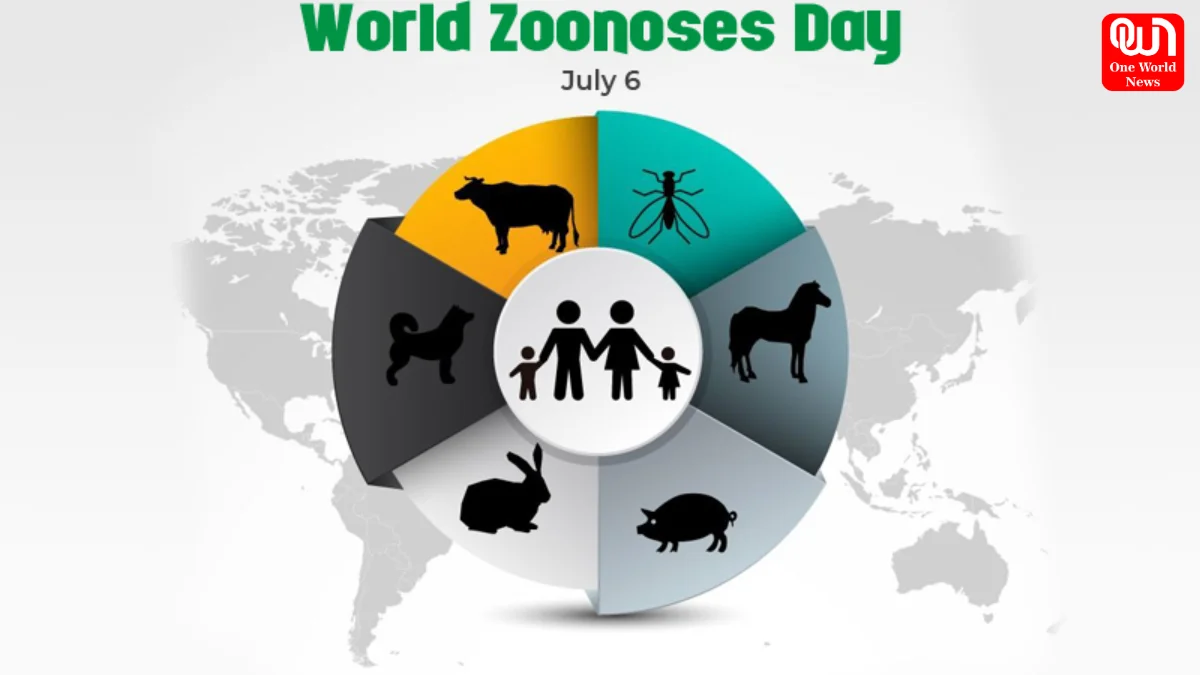
World Zoonoses Day 2026 will be observed on July 6 to spread awareness about zoonotic diseases and the importance of preventing infections that spread between animals and humans. The day commemorates the historic achievement of French scientist Louis Pasteur, who successfully administered the first rabies vaccine on July 6, 1885.
Zoonotic diseases, also known as zoonoses, are infections that can pass from animals to humans through bites, contaminated food, water, insects, or direct contact. According to global health organizations, nearly 60% of infectious diseases in humans originate from animals, while around 75% of emerging infectious diseases are zoonotic in nature.
In recent years, awareness around zoonotic diseases has increased significantly because of global outbreaks such as COVID-19, bird flu, Ebola, swine flu, and monkeypox. These health crises have highlighted the strong connection between human health, animal health, and the environment.
Read more: Political Roundup: West Bengal Phase 2 Voting Sees Clashes and High Turnout
Why World Zoonoses Day 2026 Is Important
World Zoonoses Day 2026 aims to educate people about the risks associated with zoonotic diseases and encourage preventive measures. Health experts, veterinarians, researchers, and governments across the world use this occasion to promote public awareness campaigns, vaccination drives, food safety practices, and disease surveillance systems.
The observance also supports the “One Health” approach, which emphasizes collaboration between medical professionals, veterinarians, environmental experts, and policymakers to control zoonotic diseases effectively.
With increasing urbanization, wildlife trade, climate change, and deforestation, the chances of zoonotic disease transmission have become higher. Therefore, spreading awareness through events like World Zoonoses Day has become more important than ever.
History of World Zoonoses Day
The history of World Zoonoses Day dates back to July 6, 1885, when Louis Pasteur successfully gave the first rabies vaccine to a young boy who had been bitten by a rabid dog. This breakthrough became a turning point in medical science and opened the door to modern vaccination against deadly diseases.
To honor this medical achievement and create awareness about diseases transmitted from animals to humans, World Zoonoses Day is observed every year on July 6 worldwide.
The day reminds people that preventing zoonotic diseases requires early detection, proper hygiene, animal vaccination, and coordinated healthcare systems.
Common Zoonotic Diseases
Several dangerous diseases fall under the category of zoonoses. Some of the most well-known examples include:
- Rabies
- COVID-19
- Bird Flu (Avian Influenza)
- Swine Flu
- Ebola Virus Disease
- Leptospirosis
- Lyme Disease
- Salmonella Infections
These diseases may spread through infected animals, insects, contaminated food products, or environmental exposure.
Prevention Tips for Zoonotic Diseases
World Zoonoses Day 2026 also encourages people to adopt preventive measures in their daily lives. Some important prevention tips include:
1. Maintain Proper Hygiene
Wash hands regularly after touching animals, pets, or raw meat products.
2. Vaccinate Pets and Livestock
Regular vaccination helps prevent diseases like rabies and protects both animals and humans.
3. Practice Safe Food Handling
Cook meat properly and avoid consuming contaminated food or unpasteurized dairy products.
4. Avoid Contact With Sick Animals
Stay away from animals showing signs of illness and seek veterinary advice when needed.
5. Control Insects and Rodents
Mosquitoes, ticks, and rodents can spread zoonotic infections, so pest control is essential.
6. Support Environmental Protection
Protecting ecosystems and wildlife habitats can reduce the spread of emerging diseases.
Theme of World Zoonoses Day 2026
As of now, the official theme for World Zoonoses Day 2026 has not been announced publicly. However, experts expect the focus to remain on disease prevention, One Health awareness, pandemic preparedness, and stronger cooperation between animal and human healthcare sectors.
Conclusion
World Zoonoses Day 2026 serves as a powerful reminder that human health and animal health are deeply connected. The day promotes awareness, prevention, and global cooperation to reduce the risk of zoonotic diseases and future pandemics.
By following proper hygiene practices, supporting vaccination programs, and adopting the One Health approach, individuals and communities can contribute to a healthier and safer future. As zoonotic diseases continue to pose global health challenges, awareness initiatives like World Zoonoses Day play a critical role in protecting lives worldwide.
We’re now on WhatsApp. Click to join.
Like this post?
Register at One World News to never miss out on videos, celeb interviews, and best reads.