PM Modi Advice to Citizens: Revive Covid-Era Practices Like WFH, Avoid Foreign Trips and Gold Buying for a Year
PM Modi advice to citizens includes WFH, avoiding foreign trips and gold buying to save fuel and foreign exchange amid crisis.

PM Modi Advice to Citizens: Why the Prime Minister Wants Indians to Revive WFH, Avoid Foreign Trips and Stop Gold Buying for One Year Amid Global Crisis
Prime Minister Narendra Modi has urged Indians to bring back several Covid-era habits, including work-from-home arrangements, virtual meetings, reduced fuel consumption and limiting unnecessary spending abroad. The appeal comes at a time when rising tensions in West Asia are impacting global fuel prices, supply chains and foreign exchange reserves.
Read more: Political Roundup: West Bengal Phase 2 Voting Sees Clashes and High Turnout
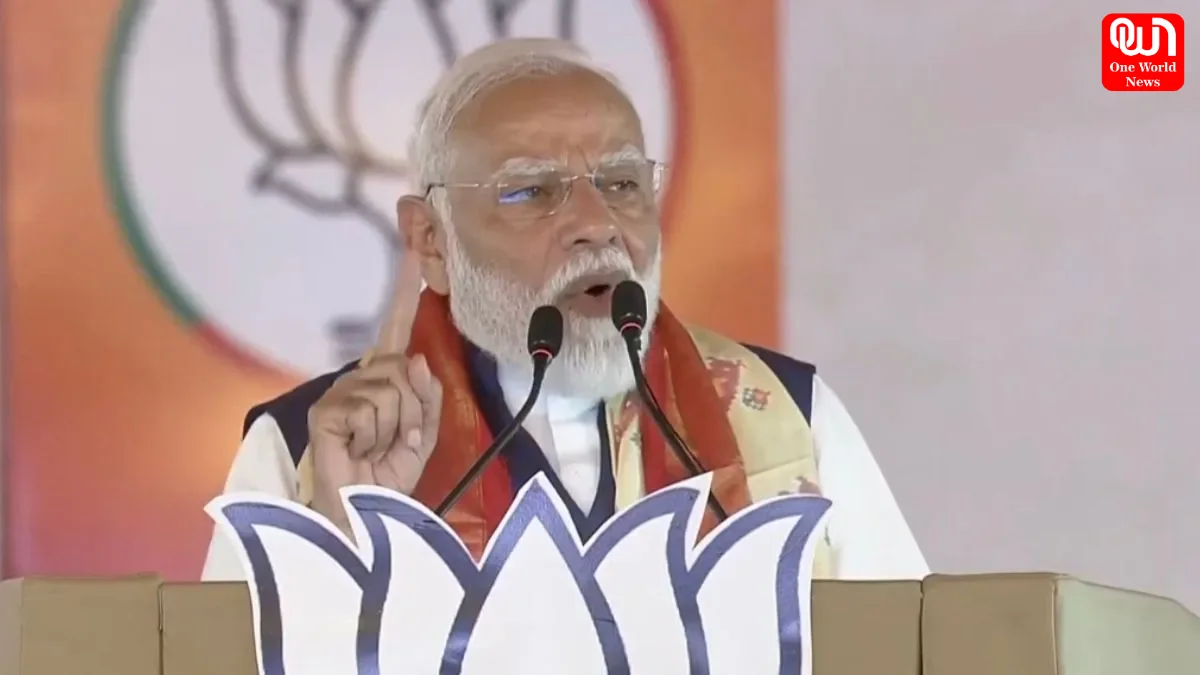
Speaking during a public address in Hyderabad, PM Modi stressed that every citizen can contribute to protecting India’s economy by making small lifestyle changes for the next one year. His suggestions included postponing foreign vacations, reducing gold purchases, preferring domestic tourism, using public transport and supporting Made-in-India products.
The Prime Minister’s message reflects growing concern over global economic uncertainty caused by geopolitical conflicts and rising crude oil prices. Since India imports a major portion of its crude oil and gold requirements, increased global prices directly affect inflation, import bills and foreign exchange reserves.
One of the biggest highlights of the speech was PM Modi’s call to revive work-from-home practices wherever possible. According to him, companies can reduce fuel usage and transportation costs by allowing employees to work remotely or conduct online meetings, similar to the practices followed during the Covid-19 pandemic.
The Prime Minister also encouraged people to use metro rail services, carpooling and electric vehicles to reduce dependence on petrol and diesel. Businesses were advised to shift transportation of goods towards railways, which are comparatively more energy efficient. These measures, he said, can help India save significant foreign exchange and reduce the economic impact of global instability.
Another major part of the PM Modi advice to citizens was related to gold purchases. India is one of the world’s largest importers of gold, and heavy imports increase pressure on the country’s foreign exchange reserves. PM Modi appealed to families to avoid non-essential gold buying for one year, especially during weddings and celebrations.
The Prime Minister also requested citizens to avoid non-essential foreign travel and overseas weddings for the next year. Instead, he promoted domestic tourism and encouraged people to spend within India. According to experts, reducing foreign spending can help conserve dollars and strengthen India’s economic resilience during uncertain global conditions.
Apart from travel and spending habits, PM Modi suggested several lifestyle changes aimed at reducing fuel consumption and improving sustainability. These included reducing edible oil usage, adopting electric vehicles, using solar-powered agricultural pumps and promoting natural farming methods. Farmers were also encouraged to reduce dependence on chemical fertilizers.
The Prime Minister described these steps as acts of “economic patriotism,” saying that patriotism is not only about sacrifice during war but also about responsible living during difficult economic times. He urged citizens to support local products and strengthen the “Vocal for Local” movement by choosing Indian-made goods over imported products.
PM Modi’s appeal has sparked strong political reactions as well. Opposition leaders questioned whether such appeals indicate growing economic stress, while supporters viewed the suggestions as precautionary and practical measures during a global crisis.
Reas more: Tamil Nadu Election Results 2026: Vijay’s TVK Storms to Power
Experts believe the advice is aimed at preparing the country for potential economic disruptions linked to global conflicts and volatile energy markets. Rising crude oil prices can impact inflation, transportation costs and household expenses across sectors. By encouraging citizens to reduce unnecessary consumption and imports, the government hopes to reduce pressure on the economy.
The PM Modi advice to citizens has revived memories of the Covid-19 era when remote working, online meetings and restricted travel became part of everyday life. However, this time the focus is not public health but economic preparedness and energy conservation.
Whether these measures become widely adopted remains to be seen, but the Prime Minister’s message clearly signals that India is preparing for a challenging global economic environment and wants citizens to actively participate in safeguarding the nation’s economy.
We’re now on WhatsApp. Click to join.
Like this post?
Register at One World News to never miss out on videos, celeb interviews, and best reads.