Quad’s China Message? Leaders Set for Key Manila Meeting Ahead of Trump’s Talks With Xi Jinping
Manila Meeting: Quad leaders Modi, Trump, Japan and Australia discuss China, trade and Indo-Pacific security ahead of Trump-Xi talks.

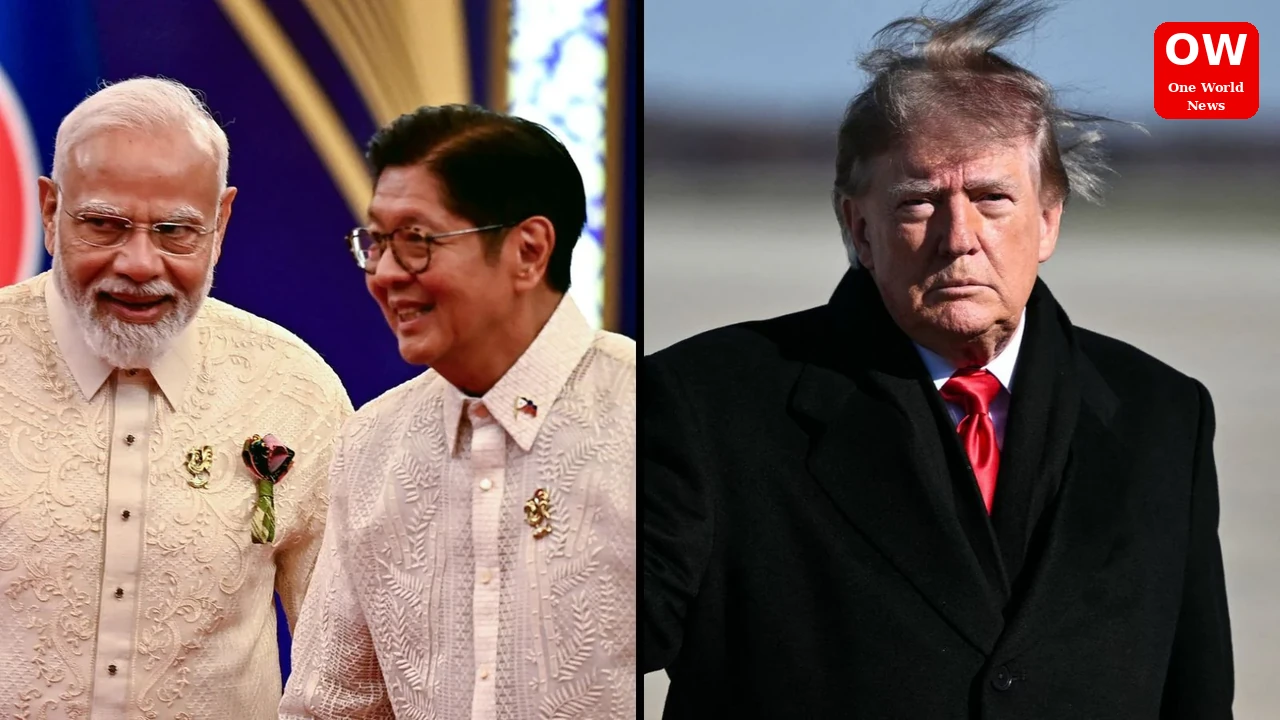
Quad Leaders’ Manila Meeting 2026: Narendra Modi, Donald Trump, Japan and Australia Prepare Strategic Talks on China, Indo-Pacific Security and Trade Ahead of Trump’s High-Stakes Meeting With Xi Jinping
A major diplomatic development is expected in Asia as leaders of the Quadrilateral Security Dialogue (Quad) prepare to meet in Manila on November 17, 2026. The meeting is attracting international attention because it comes just ahead of US President Donald Trump’s anticipated talks with Chinese President Xi Jinping in China.
Indian Prime Minister Narendra Modi, US President Donald Trump, Japanese Prime Minister Sanae Takaichi and Australian Prime Minister Anthony Albanese are expected to participate in the important gathering. This will be the first Quad leaders’ meeting in two years and Trump’s first participation in a Quad summit since returning to the White House in January 2025.
The timing of the Manila Meeting is particularly significant as Washington prepares for another round of high-level engagement with Beijing. With growing competition over technology, trade, maritime security and regional influence, the four countries are expected to discuss their shared priorities in the Indo-Pacific region.
Why Is the Manila Meeting Important for the Quad?
The Manila Meeting carries considerable diplomatic importance because it brings together four influential Indo-Pacific democracies at a time of changing regional dynamics.
The Quad comprises India, the United States, Japan and Australia. Although the grouping is not a formal military alliance, it provides a platform for cooperation on regional security, economic resilience, technology, infrastructure and maritime challenges.
The last Quad leaders’ summit took place in September 2024 in Wilmington, Delaware, when former US President Joe Biden hosted the other three leaders.
The upcoming gathering is therefore an opportunity to demonstrate that the partnership remains relevant despite political changes and differences among its members.
Another important aspect is the location. Manila is hosting the meeting while the Philippines continues to face maritime tensions with China in the South China Sea. This gives the gathering additional strategic significance.
Donald Trump to Meet Narendra Modi and Other Quad Leaders
Donald Trump’s participation is one of the biggest highlights of the upcoming summit. The US president is expected to meet Narendra Modi, Sanae Takaichi and Anthony Albanese to discuss common interests and regional challenges.
For India, the meeting provides an opportunity to strengthen its strategic relationship with the United States, Japan and Australia. New Delhi has consistently supported a free, open and inclusive Indo-Pacific region.
The four leaders are expected to discuss several important subjects, including:
- Maritime security and freedom of navigation.
- Critical minerals and supply-chain diversification.
- Artificial intelligence and emerging technologies.
- Economic security and strategic infrastructure.
- Cooperation on undersea cables and disaster relief.
- Regional stability and the Indo-Pacific vision.
The discussions could also help identify new areas of cooperation and strengthen coordination between the four countries.
Is the Quad Meeting a Strategic Message to China?
One of the biggest questions surrounding the Manila Meeting is whether it represents a coordinated message to China.
Beijing has previously criticised the Quad, viewing the grouping as an attempt to limit its growing influence in the Indo-Pacific. However, the four participating countries have repeatedly maintained that their partnership is not directed against any particular nation.
Nevertheless, China’s expanding military presence, maritime activities and influence over regional supply chains remain important concerns for several Quad members.
The Philippines, in particular, has experienced continuing disagreements with Beijing over territorial claims in the South China Sea. Japan also has maritime and territorial concerns involving China, while India has its own unresolved border issues.
Against this background, the meeting could reinforce the four countries’ commitment to regional stability, international maritime rules and cooperation.
Trump-Xi Meeting: Why Does the Timing Matter?
The timing of the Quad summit is particularly interesting because Trump is expected to travel to China for high-level discussions with Xi Jinping later this week.
The anticipated Trump-Xi engagement is scheduled around the Asia-Pacific Economic Cooperation (APEC) gathering in Shenzhen on November 19.
The discussions come at a sensitive moment in US-China relations. Both countries have faced disagreements involving tariffs, trade restrictions, advanced technology and access to artificial intelligence-related chips.
The relationship also remains affected by broader geopolitical competition and concerns about economic security.
Holding the Quad meeting before Trump’s engagement with Xi could provide an opportunity for the US president to reaffirm Washington’s commitment to its Indo-Pacific partners.
It may also allow India, Japan and Australia to communicate their regional priorities before the upcoming diplomatic discussions with Beijing.
India’s Role in Strengthening the Indo-Pacific Partnership
India’s participation in the Manila Meeting is significant because of its growing diplomatic, economic and strategic role in the Indo-Pacific.
Under Narendra Modi’s leadership, India has continued to strengthen its engagement with Southeast Asian countries through its Act East Policy and broader maritime cooperation initiatives.
India also considers ASEAN an important partner in maintaining regional peace, connectivity and economic development.
For New Delhi, the Quad offers an opportunity to work with major economies on maritime security, technology, infrastructure and critical supply chains without becoming part of a traditional military alliance.
The meeting could also provide momentum to India’s efforts to diversify supply chains and strengthen cooperation in emerging technologies.
Modi’s discussions with Trump, Albanese and Takaichi will therefore be closely watched by regional observers.
What Are the Major Challenges Facing the Quad?
Despite shared interests, the four countries face several challenges in maintaining a unified approach.
India, Australia, Japan and the United States have different economic priorities and diplomatic relationships with China. While they share concerns about regional security, their approaches towards Beijing are not always identical.
Trade disagreements, technological restrictions and differences in foreign policy could also influence cooperation.
Another challenge is maintaining a balance between security priorities and economic partnerships. China remains an important trading partner for several countries across the Indo-Pacific, making complete economic separation difficult.
The Manila summit will therefore be an important opportunity to demonstrate that the Quad can maintain cooperation despite these differences.
What Happens Next After the Manila Meeting?
Following the Manila gathering, international attention will shift towards Trump’s expected discussions with Xi Jinping in Shenzhen.
The outcome of these diplomatic engagements could influence the future direction of US-China relations and the broader Indo-Pacific political environment.
The Quad leaders are expected to focus on strengthening cooperation, maintaining regional stability and addressing emerging economic and security challenges.
Whether the meeting produces major announcements or primarily serves as a diplomatic signal, its timing makes it an important development in Asian geopolitics.
Conclusion
The Quad’s Manila Meeting on November 17, 2026, is an important diplomatic moment for India, the United States, Japan and Australia. With Narendra Modi, Donald Trump, Sanae Takaichi and Anthony Albanese expected to participate, the summit offers an opportunity to strengthen their partnership and discuss shared Indo-Pacific priorities.
Its timing, just ahead of Trump’s anticipated talks with Xi Jinping, adds another layer of geopolitical significance.
Although the Quad maintains that it is not directed against any particular country, its discussions on maritime security, critical minerals, artificial intelligence and regional stability will inevitably attract attention from Beijing.
The coming days could provide important clues about the future of Indo-Pacific diplomacy and the evolving relationship between the world’s major powers.
Stay connected for more international news and updates on the latest developments in global politics.
We’re now on WhatsApp. Click to join.
Like this post?
Register at One World News to never miss out on videos, celeb interviews, and best reads.