
How To Grow Fresh Coriander At Home In 7 Days In Soil And Water: The Fast Sprouting Trick
Grow coriander at home in 7 days with easy seed prep, soil and water methods, windowsill tips, and fresh cilantro microgreens.

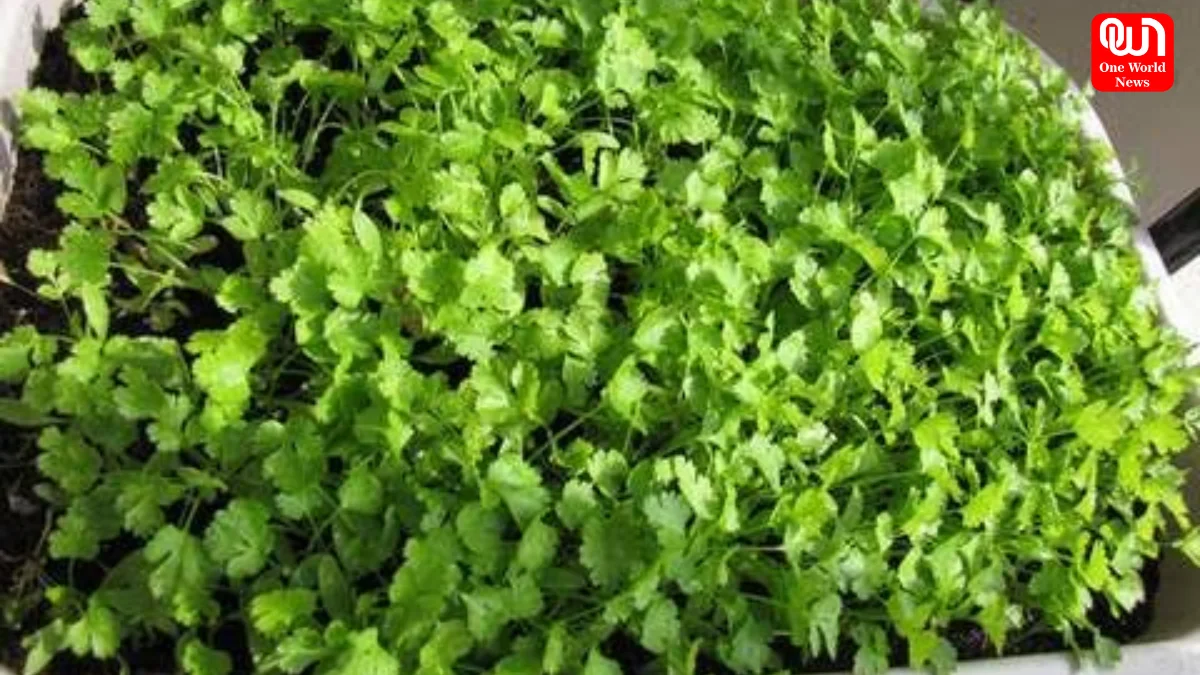
Grow Coriander at Home in 7 Days: Hydroponic Coriander Growing Method, Seed Prep and Windowsill Tips
Fresh coriander, also known as dhaniya or cilantro, adds a refreshing flavour to chutneys, salads, curries, and everyday Indian meals. Instead of buying small bunches from the market, you can start growing this useful herb in your kitchen, balcony, or windowsill with a few simple supplies.
If you want to grow coriander at home in 7 days, the secret is to prepare the seeds properly, maintain consistent moisture, and provide suitable growing conditions. Although some seeds may begin sprouting within a week, growing a full bunch of mature coriander leaves generally takes several weeks. For quicker results, you can also try growing coriander microgreens.
1. Prepare Coriander Seeds for Faster Sprouting
Proper seed preparation is one of the most important steps for successful coriander cultivation. Coriander seeds have a rounded outer covering containing two seeds, which can make germination slower than expected.
Follow these steps for effective coriander microgreens seed prep:
- Take fresh, unroasted coriander seeds suitable for planting.
- Gently press or roll the seeds to separate the two halves without crushing them.
- Soak the seeds in clean water for 8–12 hours.
- Drain the water and rinse the seeds before planting.
Some growers soak coriander seeds for up to 24 hours. However, avoid leaving them submerged for too long, as poor oxygen circulation can encourage seed damage.
2. How to Grow Coriander in Soil at Home
Growing coriander in soil is an affordable and beginner-friendly option. You only need a pot, suitable soil, water, and a bright location.
Things You Will Need
- A pot or tray with drainage holes
- Loose, well-draining potting soil
- Compost or vermicompost
- Prepared coriander seeds
- A spray bottle or small watering can
Step-by-Step Planting Method
Step 1: Fill your container with a mixture of potting soil and compost. The soil should hold enough moisture without becoming waterlogged.
Step 2: Spread the prepared seeds across the surface, leaving a little space between them. Cover them with approximately 0.5–1 cm of soil.
Step 3: Spray water gently until the soil is evenly moist. Avoid pouring water forcefully, as it may displace the seeds.
Step 4: Keep the pot in a warm, well-ventilated place. During germination, protect the soil from drying out.
Step 5: Once seedlings appear, move the container to a bright location with gentle sunlight. In hot weather, protect the plants from intense afternoon heat.
With suitable conditions, seedlings may appear within 7–14 days, although germination can take longer depending on seed quality and temperature.
3. Hydroponic Coriander Growing Method Using Water
The hydroponic coriander growing method is useful for people who have limited space or prefer gardening without traditional soil. However, coriander still needs physical support and nutrients to develop properly.
read more: Tu Hai Meri Kiran Movie Review: Story, Cast, Performances and What to Expect
How to Grow Coriander in Water
- Prepare a clean container, coriander seeds, and a suitable growing medium such as coco coir or a hydroponic plug.
- Sow the prepared seeds in the growing medium and keep it moist.
- Place the container in a bright location with indirect light during early germination.
- After seedlings develop roots, transfer them to a suitable hydroponic setup.
- Keep the roots supplied with clean, oxygenated water and an appropriate hydroponic nutrient solution.
- Monitor water levels, root condition, and light exposure regularly.
Simply placing coriander seeds in a glass of water is not the most reliable method for producing healthy plants. Seeds need oxygen, and established plants require balanced nutrients. A small hydroponic system or a growing tray with a suitable medium is a better choice.
4. Growing Dhaniya on Windowsill: Essential Tips
Growing dhaniya on windowsill is an excellent option for apartment dwellers who want fresh herbs close to the kitchen.
Choose a window that receives several hours of bright light daily. If natural light is limited, a suitable grow light can help prevent weak, stretched seedlings.
Keep these tips in mind:
- Use a container with proper drainage.
- Check the soil daily and water when the surface begins to dry.
- Avoid keeping the roots constantly waterlogged.
- Rotate the pot occasionally for more even light exposure.
- Sow small batches every two to three weeks for a continuous supply.
Coriander generally grows better in cooler conditions than in extreme heat. High temperatures can cause plants to flower prematurely, reducing the period available for harvesting leaves.
5. Grow Cilantro Microgreens for a Faster Harvest
If your priority is a quick harvest rather than mature coriander plants, cilantro microgreens are worth trying. These are young edible seedlings grown in shallow trays and harvested before they become mature plants.
Spread prepared seeds over moist growing medium, cover them lightly, and maintain consistent moisture. Once germination begins, provide adequate light and airflow. Harvest the shoots with clean scissors when they have developed sufficiently, often around two to three weeks after sowing.
Microgreens can be added to sandwiches, salads, soups, and Indian snacks. Always use clean trays, potable water, and seeds intended for edible cultivation.
6. Seven-Day Coriander Growing Timeline
Day 1: Prepare and soak the seeds, then sow them in soil or a suitable growing medium.
Days 2–3: Maintain moisture and check the container daily. Some seeds may begin showing early signs of germination.
Days 4–5: Continue monitoring moisture and provide suitable warmth and airflow.
Days 6–7: Look for emerging shoots. Some seeds may sprout by this stage, while others may need additional time.
After Day 7: Continue caring for the seedlings until they develop stronger stems and leaves. Microgreens may be ready for harvesting after approximately 14–21 days, while mature coriander leaves usually take several weeks longer.
7. Common Mistakes to Avoid
Overwatering is a frequent problem because coriander seeds need moisture as well as oxygen. Waterlogged soil can cause seeds to rot before they germinate.
Planting seeds too deeply may delay emergence, while insufficient light can produce thin, weak seedlings. Old or damaged seeds may also germinate poorly. Finally, avoid expecting a mature bunch of coriander within seven days; the first week is primarily for germination and early growth.
Read more: Udta Teer Movie Review: Story, Cast, Performances and Verdict
Conclusion
Growing coriander at home is simple when you use healthy seeds, prepare them correctly, and maintain the right balance of moisture, warmth, and light. Whether you choose soil, a hydroponic setup, or cilantro microgreens, you can begin your own small herb garden without needing much space.
Remember that seven days is a realistic target for possible early sprouting, not a guaranteed timeline for mature leaves. With patience and regular care, your windowsill or balcony can become a convenient source of fresh dhaniya for everyday cooking.
We’re now on WhatsApp. Click to join.
Like this post?
Register at One World News to never miss out on videos, celeb interviews, and best reads.