
Madhya Pradesh: 19-Month-Old Cheetah KNG22 Dies After Being Shot as Five Firearm Pellets Are Recovered From Its Body at Kuno National Park
Madhya Pradesh cheetah KNG22 dies after firearm pellets are recovered; Special Task Force probes the incident at Kuno National Park under Project Cheetah.

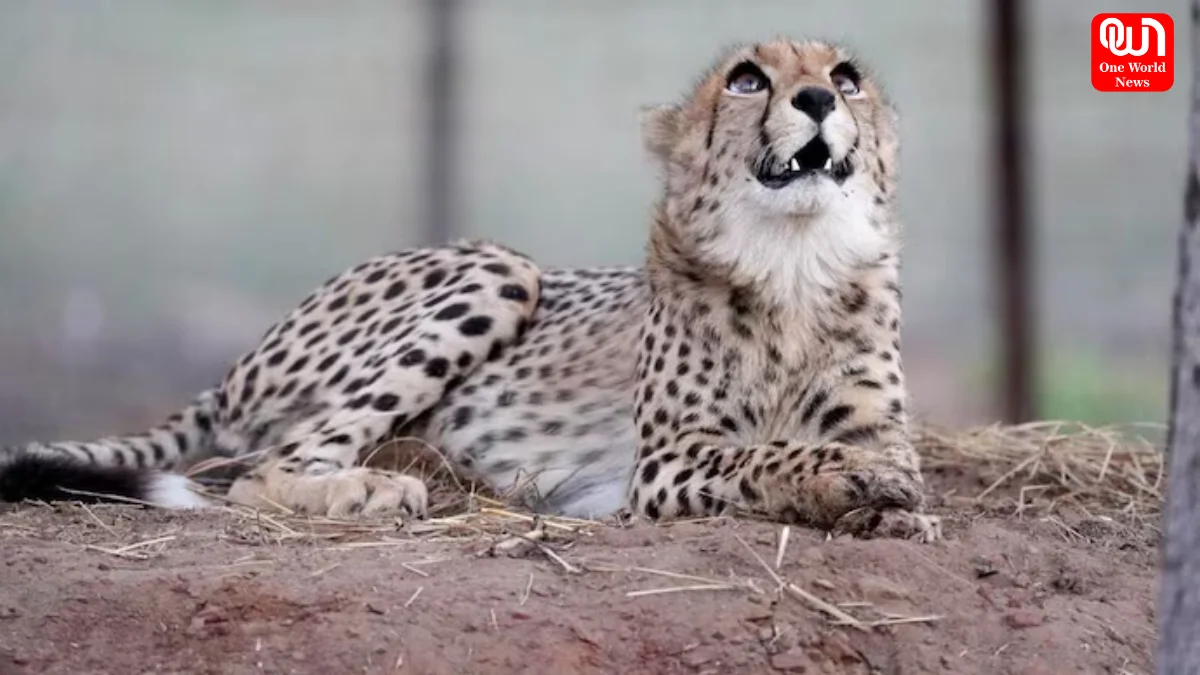
Madhya Pradesh Cheetah Dies After Gunshot Injuries
A tragic cheetah death in Madhya Pradesh has raised serious concerns about wildlife protection and the safety of animals under India’s ambitious conservation programme. A 19-month-old male cheetah, identified as KNG22, died on October 27, 2026, after suffering severe injuries caused by firearm pellets.
The young cheetah was born to Nirva, a female cheetah, and was part of the growing population established through Project Cheetah. It was found injured on October 25 in the territorial forests of Morena, outside the protected area of Kuno National Park. Forest officials rescued the animal from the Sheopur Territorial Forest Division and arranged urgent medical treatment.
Despite intensive veterinary care and emergency surgery, the cheetah could not survive. The incident has prompted investigations by state and central authorities to determine the circumstances surrounding the shooting.
Five Firearm Pellets Recovered From KNG22’s Body
Veterinary examinations revealed the seriousness of the animal’s condition. Initial X-rays identified multiple foreign bodies inside its body, prompting further medical investigations. A CT scan subsequently showed metallic objects affecting several areas, including the spine, left shoulder and right lung.
Doctors at Nanaji Deshmukh Veterinary Science University in Jabalpur provided specialised treatment after the cheetah was shifted there for intensive care. The medical team performed emergency surgery under general anaesthesia and successfully removed five firearm pellets.
However, the pellets had caused extensive internal injuries affecting the animal’s organs, musculoskeletal system and nervous system. Medical findings also confirmed hindlimb paraplegia, a condition involving paralysis of the hind limbs.
Despite the efforts of veterinary specialists, KNG22 died early on October 27. The recovery of firearm pellets has made the case particularly serious, with investigators now examining how the young cheetah sustained these injuries.
Special Task Force Formed to Investigate the Incident
The Madhya Pradesh government has constituted a Special Task Force (STF) comprising forest and police officers to investigate the circumstances leading to the cheetah’s injuries and death.
The investigation is expected to examine the available evidence and establish how the shooting occurred. Authorities will also need to determine whether the incident involved deliberate wildlife crime or another circumstance. The precise motive and identity of anyone responsible have not yet been established in the official information available.
Read more: India Calls for UNSC Reforms, Says Veto Power Must Not Serve Narrow Political Expediency
The Union government has also taken serious note of the incident. On October 28, the Ministry of Environment, Forest and Climate Change announced a high-level central team to investigate the case.
The team includes representatives from the National Tiger Conservation Authority (NTCA) and the Wildlife Crime Control Bureau (WCCB). Its responsibilities include examining evidence, coordinating with Madhya Pradesh forest officials and reviewing the existing security, monitoring and protection arrangements.
The findings and recommendations are expected to guide further action by the ministry and state authorities.
Kuno National Park and the Importance of Project Cheetah
Kuno National Park is central to India’s efforts to reintroduce cheetahs after the species became extinct in the country. Launched in 2022, Project Cheetah aims to establish a sustainable population of cheetahs through international cooperation, habitat management, monitoring and conservation.
The death of KNG22 is particularly concerning because the animal was born under the reintroduction programme. Its loss highlights the challenges involved in protecting cheetahs as they move beyond designated protected areas.
According to figures reported following the incident, India’s cheetah population stood at 58, including 52 at Kuno National Park, four at Gandhi Sagar Wildlife Sanctuary and two at Veerangana Durgavati Tiger Reserve. These figures reflect the position reported after KNG22’s death.
Although veterinary care and monitoring are important parts of conservation, the incident demonstrates that effective protection also depends on cooperation among forest officials, police, local communities and wildlife enforcement agencies.
Wildlife Protection Concerns Grow After the Cheetah Death
The death of KNG22 raises important questions about how wildlife is protected in forest areas surrounding national parks. Cheetahs can move across large landscapes, making coordination between protected areas and neighbouring territorial forests essential.
Authorities will need to establish the circumstances of the shooting before drawing conclusions about responsibility or possible security failures. A thorough investigation can help identify gaps in surveillance, improve response systems and determine whether additional preventive measures are necessary.
Local communities also have an important role in wildlife conservation. Awareness programmes, timely responses to human-wildlife conflict and effective communication between residents and forest departments can help reduce the risk of animals being harmed.
At the same time, suspected wildlife crimes must be investigated through proper legal procedures, with evidence guiding any action against those responsible.
Conclusion
The death of 19-month-old KNG22 after five firearm pellets were recovered from its body is a serious setback for wildlife conservation in Madhya Pradesh. The Special Task Force and the central investigation team now face the task of establishing exactly what happened and identifying any necessary corrective measures.
As Project Cheetah continues, the incident underlines the need for stronger coordination, effective monitoring and reliable protection for cheetahs both inside and outside protected areas. The investigation’s findings will be important in determining the next steps towards safeguarding India’s reintroduced cheetah population.
We’re now on WhatsApp. Click to join.
Like this post?
Register at One World News to never miss out on videos, celeb interviews, and best reads.