1996 SUKH RAM TELECOM SCAM: The ₹3.61 Crore Cash Controversy
Explore the 1996 SUKH RAM TELECOM SCAM, the ₹3.61 crore cash recovery, a ₹30 crore cable contract, and the importance of voter awareness.

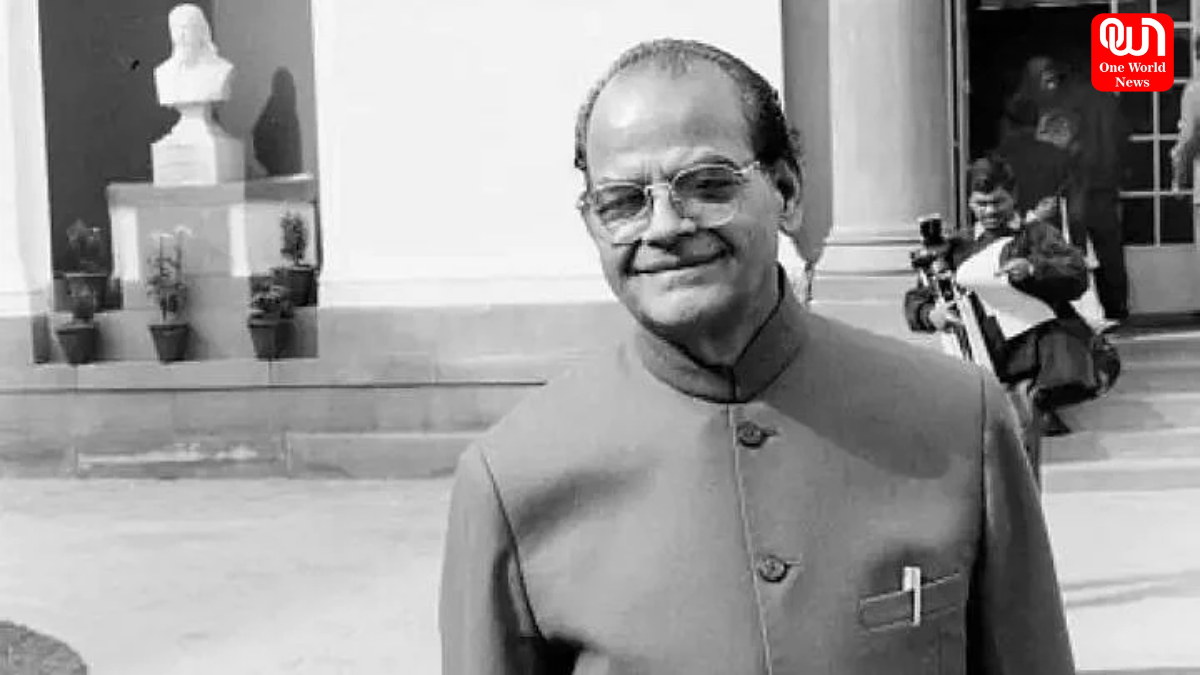
JAGO VOTER JAGO | 1996 SUKH RAM TELECOM SCAM: How a ₹30 Crore Government Cable Contract Led to a Corruption Conviction
Imagine finding crores of rupees in cash during a raid at a politician’s residence. Wouldn’t you wonder where the money came from? That question became central to one of India’s most talked-about political corruption cases in the 1990s: the 1996 SUKH RAM TELECOM SCAM.
Sukh Ram was the Union Minister of State for Communications in the government led by Prime Minister P. V. Narasimha Rao. In 1996, the Central Bureau of Investigation (CBI) searched his properties and recovered substantial amounts of cash. The investigation also examined allegations of corruption involving government telecom contracts.
The case raised important questions about public money, ministerial accountability, and the need for transparency in government procurement.
The ₹3.61 Crore Cash Recovery That Raised Questions
In August 1996, the CBI conducted searches at Sukh Ram’s residence in Mandi, Himachal Pradesh, as part of its investigation into suspected corruption. The searches resulted in the recovery of large amounts of cash, including money found in bags and suitcases.
The discovery attracted widespread public attention because Sukh Ram was a senior government official responsible for an important sector of India’s infrastructure.
However, finding cash during a search and proving corruption in a particular transaction are separate legal matters. Investigators must establish the source of the money and connect the evidence to the alleged offence.
The cash recovery became a significant part of the wider controversy surrounding Sukh Ram. The subsequent investigations and court proceedings brought questions about public office and financial accountability into the national spotlight.
The ₹30 Crore Haryana Telecom Limited Contract
One of the major cases associated with the 1996 SUKH RAM TELECOM SCAM concerned a government contract awarded to Haryana Telecom Limited (HTL).
According to court proceedings reported in November 2011, the Department of Telecommunications awarded HTL a contract worth approximately ₹30 crore to supply 3.5 lakh conductor kilometres of Polythene Insulated Jelly Filled (PIJF) cables.
Read more: CJP’s Abhijeet Dipke Under Preventive Arrest After Tiranga Protest, Neha Bora Released
The CBI alleged that Sukh Ram had misused his official position to favour the private company in the procurement process. The prosecution also alleged that he accepted a bribe of ₹3 lakh from the company’s chairman, Devinder Singh Choudhary, in connection with the contract.
These allegations formed the basis of a criminal case involving corruption and criminal conspiracy.
The matter was not simply about the value of the contract. It concerned whether public authority had been used improperly to benefit a private company and whether the transaction had been conducted in the public interest.
What Did the Court Decide in 2011?
On November 17, 2011, a special CBI court convicted Sukh Ram in the cable contract corruption case. The court found him guilty of offences under the Prevention of Corruption Act and criminal conspiracy provisions of the Indian Penal Code.
On November 19, 2011, the court sentenced him to five years of imprisonment and imposed a fine of ₹4 lakh in this case.
It is important to distinguish this case from another telecom equipment corruption case involving Sukh Ram. In that separate matter, connected with a contract awarded to Advanced Radio Masts, he had received a three-year prison sentence that the Delhi High Court upheld in December 2011.
Both cases became part of the public record concerning corruption allegations during his tenure, but they involved different contracts and judicial proceedings.
Why the Sukh Ram Telecom Scam Still Matters
The case offers important lessons about government procurement and the responsible use of public funds.
First, transparency matters. Government contracts should follow clear procedures, fair competition, and documented decision-making. These safeguards help prevent the misuse of official authority.
Second, accountability applies to everyone. Public officials entrusted with government resources must remain answerable for their decisions. Investigations and court proceedings help determine whether the law has been violated.
Third, evidence matters more than rumours. Cash recoveries may attract headlines, but legal conclusions must be based on evidence, judicial findings, and the specific facts of each case.
Finally, citizens have a role in demanding responsible governance. Understanding documented cases of corruption helps voters ask informed questions about public spending, procurement policies, and the performance of elected representatives.
Jago Voter Jago: Ask Questions, Demand Accountability
The 1996 SUKH RAM TELECOM SCAM is a reminder that government money is not the personal property of those who manage it. Public funds come from taxpayers and must be used for public benefit.
Read more: Gold and Silver Prices Today, 17 October 2026 | One World News
When political leaders make promises, citizens should look beyond speeches and slogans. They can examine publicly available records, follow credible reporting, understand court judgments, and question decisions that affect public resources.
A government contract worth crores of rupees deserves scrutiny because its consequences can extend beyond a single company or official. Fair procurement protects public resources, encourages competition, and strengthens confidence in institutions.
So, remember the message of Jago Voter Jago: stay informed, ask questions, and demand transparency from those entrusted with public responsibility. An informed citizen is better equipped to participate meaningfully in democracy.
Because the public treasury belongs to the people, and accountability is essential to protecting it.
We’re now on WhatsApp. Click to join.
Like this post?
Register at One World News to never miss out on videos, celeb interviews, and best reads.