CJP’s Abhijeet Dipke Under Preventive Arrest After Tiranga Protest, Neha Bora Released
CJP protest update: Abhijeet Dipke faces preventive arrest after the Lehra Do Tiranga march, while AISA leader Neha Bora is released in Delhi.

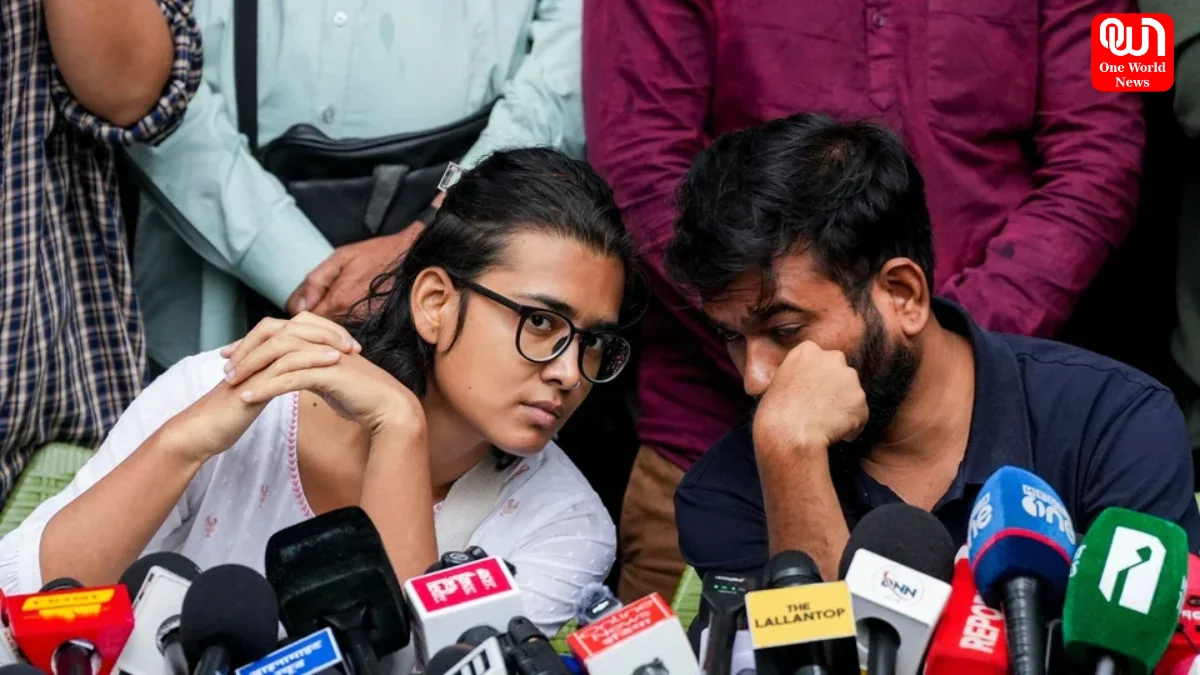
CJP Protest Update: Abhijeet Dipke Under Preventive Arrest After ‘Lehra Do Tiranga’ March in Delhi, AISA President Neha Bora Released from Custody
Cockroach Janata Party (CJP) founder Abhijeet Dipke has been placed under preventive arrest following police action ahead of the ‘Lehra Do Tiranga’ protest march in New Delhi. Meanwhile, All India Students’ Association (AISA) president Neha Bora was released early on Saturday, October 17, after spending several hours in detention.
The developments followed a planned demonstration in central Delhi on Friday, October 16, amid heightened security arrangements and restrictions around Connaught Place. The proposed march was intended to bring together activists and supporters demanding action over concerns surrounding electoral rolls and the Election Commission’s Special Intensive Revision (SIR) exercise.
According to reports, Delhi Police detained both leaders on Friday evening, citing concerns about a possible breach of public peace. While Bora was released after the required detention formalities, Dipke remained in custody and was scheduled to be produced before a Special Executive Magistrate.
Neha Bora Released After Overnight Detention
Neha Bora, who leads AISA, was detained while participating in activities linked to the planned flag march. Reports said she had been leading student activists towards the protest route before police intervened.
Following her release on Saturday morning, Bora criticised the police action and questioned the circumstances surrounding the overnight detention of demonstrators. She alleged that protesters faced difficulties contacting legal representatives and that access to legal assistance was delayed.
Read more: 16 October Gold and Silver Rate Update: Gold and Silver Prices Rise in Today’s Bullion Market
Bora also raised concerns about the treatment of ordinary citizens participating in demonstrations. Her release came after police completed the formalities under Section 65 of the Delhi Police Act, according to media reports.
The incident has renewed debate over the handling of student-led demonstrations, the right to peaceful assembly and the procedures followed when police detain political activists during protests.
Why Was Abhijeet Dipke Placed Under Preventive Arrest?
Delhi Police initiated action against Abhijeet Dipke under Sections 126 and 170 of the Bharatiya Nagarik Suraksha Sanhita (BNSS). Authorities cited concerns about a possible breach of peace in connection with the proposed demonstration.
Dipke had announced the ‘Lehra Do Tiranga’ march after CJP co-convenors Saurav Das and Ashutosh Ranka were detained following an earlier incident involving the national flag at Jantar Mantar. The two co-convenors were subsequently sent to judicial custody, according to reports.
Police had also issued notices concerning the proposed gathering and restrictions in the Connaught Place area. Authorities maintained that the demonstration was subject to applicable restrictions and permission requirements.
The CJP and its supporters, however, questioned the police action and sought information about Dipke’s whereabouts during the period following his detention. Reports on Saturday said he would be produced before a Special Executive Magistrate.
The legal proceedings are expected to determine the next steps in his case. Preventive action is intended to address an apprehended risk to public order; it should not, by itself, be treated as proof of guilt.
What Is the ‘Lehra Do Tiranga’ Protest About?
The ‘Lehra Do Tiranga’ march emerged amid a wider wave of demonstrations organised by CJP, student organisations and other groups in Delhi and several other cities.
Read more: Delhi Dussehra 2026: 30-Foot Cockroach Effigy Sparks Political Speculation Amid CJP Protests
A central demand of the protesters has been the resignation of Chief Election Commissioner Gyanesh Kumar. They have also raised objections to the SIR exercise, arguing that the revision of electoral rolls could affect citizens’ voting rights.
The Election Commission and the authorities have faced criticism from political groups over the voter-list revision process. However, allegations raised by protesters remain distinct from established findings, and claims about electoral irregularities must be assessed through the relevant evidence and official procedures.
The planned flag march was intended to draw attention to these demands through a public demonstration featuring the Indian national flag. The detention of its organisers, however, disrupted the gathering before it could proceed as planned.
Jantar Mantar Protest and Security Arrangements in Delhi
Jantar Mantar has long served as a prominent location for demonstrations on political, social and public-interest issues. In recent days, restrictions and heavy security deployment around central Delhi have complicated efforts by activists to organise gatherings at designated or proposed protest locations.
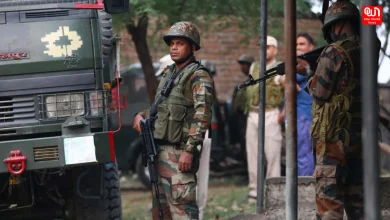
The latest CJP protest added to tensions between demonstrators and the authorities. Security personnel were deployed around Connaught Place, while police action against organisers and participants affected the planned march.
Student activists associated with AISA have also participated in demonstrations linked to concerns about electoral processes. The detention and subsequent release of Neha Bora have brought renewed attention to the role of student organisations in political mobilisation.
The situation highlights the challenge of balancing public order, security requirements and citizens’ constitutional freedoms. Authorities must enforce applicable laws, while the handling of peaceful political expression remains an important subject of public scrutiny.
Political Reactions and What Happens Next
The detention of Abhijeet Dipke and Neha Bora prompted criticism from opposition leaders and activists, who questioned the restrictions placed on the protest and called for the release of those detained.
CJP supporters have maintained that carrying the national flag and raising political demands should not automatically lead to punitive action. Meanwhile, the police have cited preventive measures and legal restrictions as reasons for their intervention.
Dipke’s scheduled appearance before the Special Executive Magistrate is a key development to watch, along with any further police cases concerning the protest. Authorities have also indicated that additional cases could be registered in connection with alleged violations of restrictions during demonstrations.
The coming days may clarify the legal status of the detained organisers and whether CJP and AISA plan further protests.
Read more: 16 October Gold and Silver Rate Update: Gold and Silver Prices Rise in Today’s Bullion Market
Conclusion
The latest developments surrounding CJP’s Abhijeet Dipke and AISA’s Neha Bora have placed the ‘Lehra Do Tiranga’ march at the centre of a broader debate about political protest and public order in Delhi.
While Neha Bora has been released after overnight detention, Abhijeet Dipke remains subject to legal proceedings following preventive action. The incident has drawn attention to the demands raised by CJP and student activists over electoral rolls, the SIR exercise and the leadership of the Election Commission.
As the situation develops, further official statements and court proceedings will be important in establishing the next steps in the case. The episode also underscores the continuing debate over the space available for peaceful dissent in India’s democratic system.
We’re now on WhatsApp. Click to join.
Like this post?
Register at One World News to never miss out on videos, celeb interviews, and best reads.