
WHO First-Ever Guidelines For Ebola Marburg Viruses Released As Africa Faces Ongoing Outbreak Challenges
WHO First-Ever Guidelines For Ebola Marburg Viruses released amid Africa's outbreaks. Learn key recommendations, response measures, and impact.

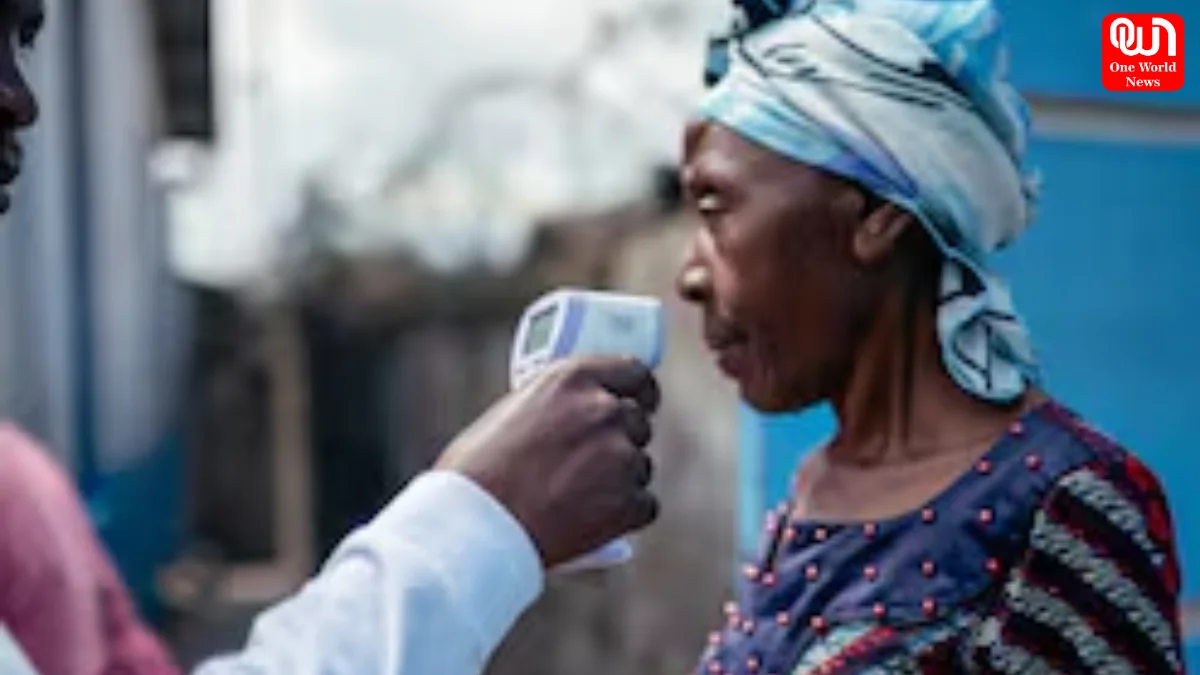
WHO First-Ever Guidelines For Ebola Marburg Viruses Released Amid Africa’s Growing Health Crisis
The World Health Organization (WHO) has officially introduced its first comprehensive clinical guidelines covering both Ebola and Marburg diseases, marking a major milestone in global outbreak preparedness. The release comes at a critical time as several African nations continue to face Ebola-related public health emergencies and growing concerns about future filovirus outbreaks. According to WHO, the new guidance is designed to help healthcare workers, governments, and international organizations improve patient care, reduce fatalities, and strengthen outbreak response systems.
Why WHO Introduced These New Guidelines
Ebola and Marburg viruses belong to the filovirus family and are among the world’s deadliest infectious diseases. Both illnesses can cause severe hemorrhagic fever, organ failure, and high mortality rates if not treated promptly. While previous WHO recommendations focused on individual diseases, the newly published guidelines create a unified framework for managing all major filovirus infections, including Ebola, Sudan virus disease, Bundibugyo virus disease, Taï Forest virus disease, and Marburg virus disease.
Health experts believe the new approach will help standardize treatment protocols across countries and improve preparedness during future outbreaks.
Key Highlights of WHO First-Ever Guidelines For Ebola Marburg Viruses
The newly released WHO guidelines emphasize evidence-based clinical management and patient-centered care. Key recommendations include:
- Early diagnosis and laboratory monitoring.
- Proper fluid and electrolyte management.
- Rapid identification and treatment of shock.
- Use of intravenous therapies when required.
- Improved management of severe bleeding complications.
- Enhanced infection prevention and control practices.
- Structured follow-up care for survivors.
The guidelines also stress the importance of protecting healthcare workers through strict infection-control measures and appropriate use of personal protective equipment (PPE).
Africa Continues To Battle Ebola Outbreaks
The release of the WHO First-Ever Guidelines For Ebola Marburg Viruses comes as Africa faces ongoing Ebola outbreaks, particularly in the Democratic Republic of Congo (DRC) and neighboring Uganda. WHO has declared the current Ebola situation a Public Health Emergency of International Concern due to the spread of the rare Bundibugyo strain, for which no approved vaccine currently exists.
Health authorities report that the outbreak has been complicated by conflict zones, limited healthcare infrastructure, delayed detection, and challenges in contact tracing. International agencies are working closely with local governments to strengthen surveillance and contain transmission.
Importance Of Better Clinical Management
One of the biggest lessons from previous Ebola outbreaks is that high-quality supportive care can significantly improve survival rates. WHO’s new guidelines provide healthcare professionals with practical recommendations on monitoring patients, managing complications, and delivering timely interventions.
Experts say that standardized clinical care could help reduce mortality during future outbreaks, especially in regions with limited resources. The guidelines also encourage stronger training programs for frontline healthcare workers and better coordination between international health organizations.
Global Health Implications
The WHO First-Ever Guidelines For Ebola Marburg Viruses are expected to influence public health policies worldwide. Although Ebola and Marburg outbreaks primarily occur in Africa, increasing international travel and cross-border movement mean that every country must be prepared for potential cases.
WHO has emphasized that early detection, rapid response, community engagement, and evidence-based treatment remain essential tools in preventing widespread transmission. The organization has also launched broader response initiatives and funding efforts to support affected countries and strengthen regional preparedness.
Conclusion
The publication of the WHO First-Ever Guidelines For Ebola Marburg Viruses represents a significant step forward in the global fight against deadly filovirus diseases. By providing unified, evidence-based recommendations for clinical management and outbreak response, WHO aims to improve patient outcomes and strengthen preparedness worldwide. As Africa continues to battle ongoing Ebola outbreaks, these guidelines could play a crucial role in helping health systems respond more effectively and save lives.
We’re now on WhatsApp. Click to join.
Like this post?
Register at One World News to never miss out on videos, celeb interviews, and best reads.