FSSAI Alcoholic Beverage Enforcement: FSSAI Bans Select Old Monk, McDowell’s & Bagpiper Variants Over Flavour Concerns
FSSAI alcoholic beverage enforcement targets Old Monk, McDowell's and Bagpiper variants over flavour concerns, food safety and misleading claims.

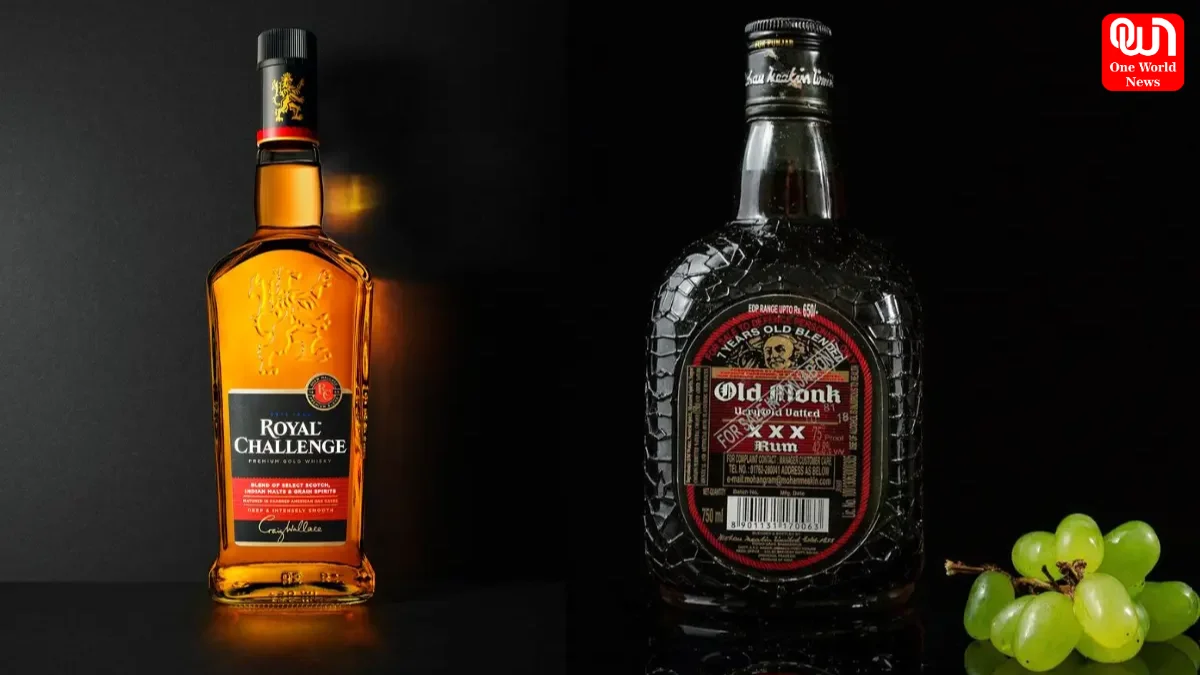
FSSAI Alcoholic Beverage Enforcement Explained: Why FSSAI Banned Select Old Monk, McDowell’s and Bagpiper Rum & Whisky Variants Over Food Safety and Misleading Claims
India’s FSSAI alcoholic beverage enforcement has taken a significant step by prohibiting the sale of select Old Monk, McDowell’s, and Bagpiper liquor variants after laboratory findings raised concerns over flavouring practices and product labelling. The latest move by FSSAI is aimed at strengthening food safety standards while ensuring that consumers are not misled by claims regarding the composition and quality of alcohol products.
The action affects certain batches of popular rum and whisky products manufactured by different companies in specific production facilities. According to the regulator, some products allegedly contained artificial or nature-identical flavouring substances that do not comply with current food safety regulations governing alcoholic beverages.
Why Did FSSAI Take Action?
The Food Safety and Standards Authority of India (FSSAI) stated that investigations and laboratory analysis found the use of flavouring substances intended to recreate the taste and aroma of naturally matured rum and whisky.
The regulator believes that adding rum flavour to rum or whisky flavour to whisky can create misleading claims about how the product has been manufactured or matured. Under existing regulations, alcoholic beverages must accurately represent their ingredients and production methods instead of giving consumers an incorrect impression through added flavourings.
This FSSAI alcoholic beverage enforcement is part of a broader effort to improve compliance across India’s food and beverage industry.
Which Brands Have Been Affected?
Among the products that have come under regulatory scrutiny are selected variants of:
- Old Monk rum
- McDowell’s No.1 Rum
- Bagpiper Deluxe Whisky
- Antiquity Blue Whisky
- Royal Challenge Whisky
- Old Cask Deluxe XXX Rum
The restrictions currently apply to specific variants manufactured at certain facilities rather than every product sold under these brand names. Manufacturers have also begun engaging with regulators regarding the enforcement action.
Understanding the Food Safety Concerns
The core issue revolves around food safety regulations and product authenticity.
According to FSSAI, alcoholic beverages should derive their taste and aroma from approved ingredients and recognised manufacturing practices. The regulator argues that externally added flavouring substances may imitate characteristics normally achieved through ageing or traditional production methods.
Because of this, products containing such flavouring agents may need to be labelled differently instead of simply being marketed as standard rum or whisky. This helps ensure consumers receive accurate information before making a purchase.
Why Accurate Labelling Matters
One of the biggest objectives of FSSAI alcoholic beverage enforcement is preventing misleading claims.
Consumers often rely on product labels to understand:
- Ingredients
- Manufacturing process
- Product category
- Quality expectations
- Authenticity
If flavour additives are used in a manner that changes the product’s identity without proper disclosure, regulators believe consumers could be misled.
By enforcing stricter labelling rules, FSSAI hopes to increase transparency throughout India’s alcohol industry.
Industry Response
Following the regulatory action, some manufacturers have stated that their product labels comply with existing regulations while also indicating that the issue affects multiple companies across the industry.
Certain companies have initiated legal proceedings or discussions with authorities seeking clarification regarding the implementation of these regulations.
Industry experts believe the case could influence future manufacturing standards for both rum and whisky producers across India.
What This Means for Consumers
For consumers, the latest FSSAI alcoholic beverage enforcement highlights the regulator’s increasing focus on food safety and transparent labelling.
Although only selected variants have been affected, buyers may notice greater emphasis on ingredient disclosures and product descriptions in the future. This could improve confidence in product quality while ensuring alcoholic beverages accurately represent their composition.
Consumers should also remember that the action is directed at specific product variants and manufacturing units rather than all products sold under brands like Old Monk, McDowell’s, or Bagpiper.
Conclusion
The latest FSSAI alcoholic beverage enforcement demonstrates the regulator’s commitment to maintaining food safety standards and preventing misleading claims in India’s alcohol market. By restricting the sale of select Old Monk, McDowell’s, and Bagpiper variants over flavour concerns, FSSAI has reinforced the importance of transparent manufacturing practices and truthful labelling. As regulatory oversight continues to evolve, producers of rum and whisky may need to strengthen compliance while consumers benefit from greater clarity and confidence in the products they purchase.
We’re now on WhatsApp. Click to join.
Like this post?
Register at One World News to never miss out on videos, celeb interviews, and best reads.