One Deal, Two Versions: Where the US and Iran Differ on Their Peace Agreement
Explore the latest US And Iran Peace Agreement, key disagreements, nuclear concerns, sanctions relief, and future challenges.

US And Iran Peace Agreement: One Deal, Two Versions and Key Differences Explained
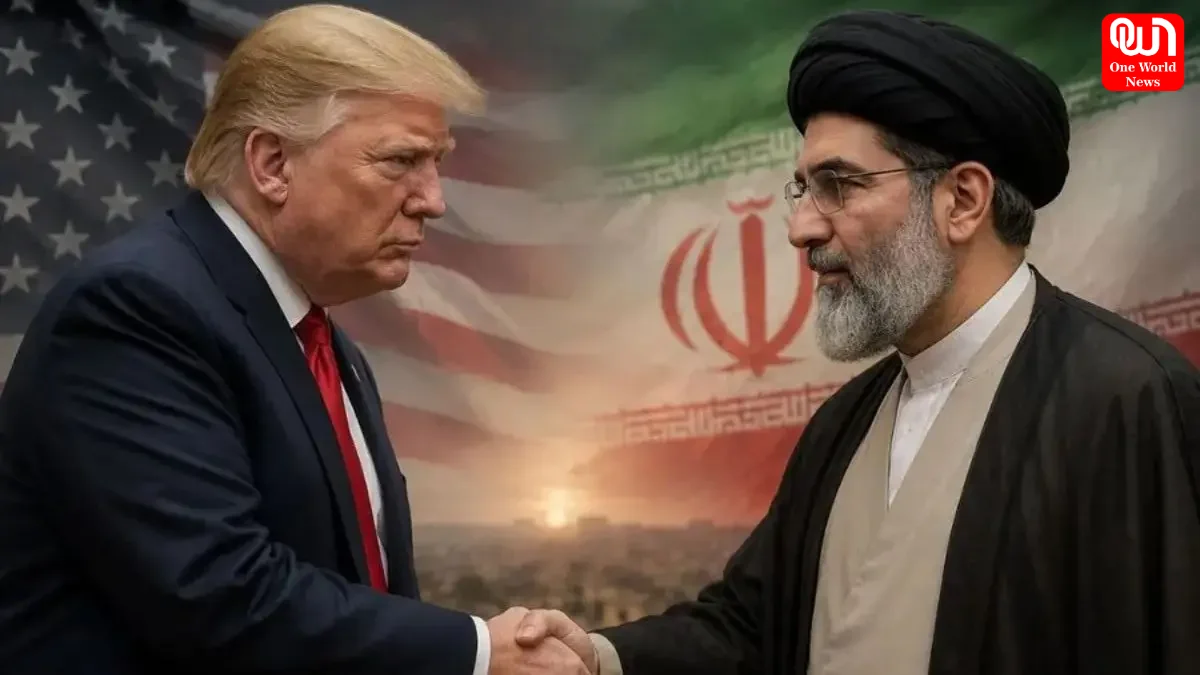
The US And Iran Peace Agreement has emerged as one of the most significant diplomatic developments in the Middle East in recent years. After months of escalating tensions and conflict, both nations have announced a framework aimed at reducing hostilities and creating a pathway toward long-term stability. However, despite celebrating the same agreement, Washington and Tehran appear to have different interpretations of several key provisions. These differences have raised questions about the future of the deal and whether it can truly deliver lasting peace. Recent reports suggest that while both sides support ending military confrontation, disagreements remain over nuclear activities, sanctions, regional security, and the reopening of strategic trade routes.
A Historic Breakthrough After Years of Conflict
The announcement of the US And Iran Peace Agreement marks a major shift in relations between two nations that have remained adversaries for decades. The framework includes a ceasefire, plans to reopen the Strait of Hormuz, and commitments to continue diplomatic discussions over unresolved issues. The agreement has been welcomed by many global leaders who view it as an opportunity to reduce regional instability and support economic recovery. However, experts caution that the framework is only the first step and that the toughest negotiations may still lie ahead.
The Nuclear Program: The Biggest Point of Disagreement
One of the most significant differences between the United States and Iran concerns Tehran’s nuclear program. The United States has consistently maintained that Iran must never acquire nuclear weapons and wants strict monitoring, reductions in uranium enrichment, and eventual dismantling of sensitive nuclear activities. Iran, meanwhile, argues that its nuclear program is intended for peaceful purposes and insists on maintaining its right to civilian nuclear development. Reports indicate that future negotiations will focus heavily on enrichment levels, uranium stockpiles, and international inspections.
read more: Earthquake Philippines: At Least 4 Dead, Over 200 Injured After Powerful 7.8 Magnitude Quake Hits
Sanctions Relief vs Compliance Requirements
Another major challenge within the US And Iran Peace Agreement involves sanctions relief. Iran expects economic restrictions to be eased as part of the peace process, including access to frozen assets and expanded oil exports. The United States, however, has emphasized that sanctions relief will be linked to Iranian compliance with agreed conditions. This difference in expectations could become a major obstacle if either side believes the other is not meeting its commitments.
Strait of Hormuz and Regional Security Concerns
The reopening of the Strait of Hormuz has been highlighted as one of the most important outcomes of the agreement. The strategic waterway is crucial for global oil shipments, and disruptions have previously affected international energy markets. While both countries support reopening the route, questions remain regarding implementation timelines and security guarantees. Different statements from Washington and Tehran have created uncertainty over how quickly the passage will fully return to normal operations.
Different Views on Regional Influence
Regional security remains another area where interpretations differ. The United States seeks assurances regarding Iran’s support for armed groups and broader regional activities. Iran, on the other hand, argues that regional issues should not be used as conditions for economic or diplomatic progress. These competing priorities could complicate negotiations during the upcoming discussion period. Analysts believe that resolving these issues will be critical for transforming the current framework into a lasting agreement.
What Happens Next?
The current framework provides a limited window for continued negotiations. Over the coming weeks, diplomats are expected to discuss nuclear restrictions, sanctions relief, security arrangements, and implementation mechanisms. Success will depend on whether both nations can bridge the gaps between their respective interpretations of the deal. While optimism is growing, many observers remain cautious because previous agreements have struggled to survive political changes and mutual distrust.
Conclusion
The US And Iran Peace Agreement represents a potentially historic opportunity to reduce tensions and promote stability across the Middle East. However, the agreement currently exists in two versions—one viewed through Washington’s priorities and the other through Tehran’s expectations. Differences regarding nuclear policy, sanctions relief, regional security, and economic commitments remain unresolved. The coming negotiations will determine whether these differences can be reconciled and whether the agreement becomes a lasting peace framework or another missed diplomatic opportunity.
We’re now on WhatsApp. Click to join.
Like this post?
Register at One World News to never miss out on videos, celeb interviews, and best reads.