Israel Election 2026: Benjamin Netanyahu, Gadi Eisenkot, Likud Party and Arab Parties Shape Knesset Coalition Deadlock
Israel election deadlock: Benjamin Netanyahu, Gadi Eisenkot, Likud party and Arab parties hold the key to the Knesset coalition government.

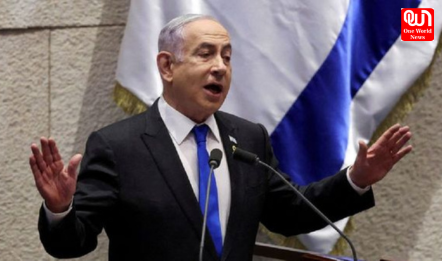
Netanyahu Wins Battle, Loses Numbers: Israel Election 2026 Leaves Benjamin Netanyahu, Likud Party and Gadi Eisenkot in a Political Deadlock as Arab Parties Hold the Key to a Coalition Government
Israel’s 2026 general election has produced a complicated political outcome, with Prime Minister Benjamin Netanyahu’s Likud party emerging as the largest individual political force but failing to secure enough parliamentary support to form a government independently. The results have created a hung parliament, putting the country’s political future in the hands of coalition negotiations.
Opposition leader Gadi Eisenkot has also failed to secure a clear majority. However, the strong performance of Arab-led parties has changed the political equation, giving them considerable influence over the next government. With competing political interests and ideological differences, Israel is entering another challenging period of political uncertainty.
Israel Election 2026: Netanyahu’s Political Bloc Falls Short
The election results have delivered a significant setback for Netanyahu’s political alliance. His Likud party secured 27 seats in the 120-member Knesset, making it the largest individual party. However, the wider right-wing and religious coalition secured only 53 seats, falling eight seats short of the 61 required for a parliamentary majority.
The opposition bloc led by Gadi Eisenkot secured 48 seats, while Arab-led parties collectively won 19 seats. These results have left neither major political camp in a position to form a government without additional support.
The outcome is particularly important because Netanyahu’s outgoing coalition had previously controlled a much stronger parliamentary position. The reduced numbers could make it difficult for him to maintain political stability and implement his proposed policies.
CBS News+1
Benjamin Netanyahu Faces a Major Leadership Challenge
For Benjamin Netanyahu, the election result represents a mixed political outcome. Although Likud remains the largest party, his alliance has lost its parliamentary advantage.
Netanyahu has built his political career around security, national leadership and right-wing policies. However, the election indicates that a significant section of voters wants a different political direction.
His immediate challenge is to convince smaller political parties and independent lawmakers to support another government under his leadership.
The negotiations could become difficult because potential partners may demand important ministerial positions and policy commitments. Netanyahu must also manage disagreements among existing coalition allies while trying to attract additional support.
Gadi Eisenkot Sees an Opportunity to Challenge Likud
Gadi Eisenkot has emerged as one of the most important figures in Israel’s post-election political negotiations. His Yashar party secured 21 seats, while his broader opposition bloc reached 48 seats.
Although this is not enough to establish a government independently, Eisenkot has an opportunity to bring together different political groups that oppose Netanyahu’s continued leadership.
His challenge will be building an alliance that can maintain parliamentary support beyond the initial government formation process.
The opposition must also address differences over national security, economic priorities, religious policies and cooperation with Arab representatives. Without a common political programme, even an agreement to replace Netanyahu could prove difficult to maintain.
Arab Parties Hold the Key to Israel’s Next Government
One of the most significant developments in the Israel election is the strong performance of Arab-led political parties. The Joint List secured 11 seats, while Ra’am won eight, bringing their combined strength to 19 seats.
This result gives Arab parties an important position in the Knesset. Their parliamentary support could potentially help the opposition bloc reach the 61-seat majority required to form a government.
However, political cooperation is not guaranteed. Several opposition politicians have expressed reservations about entering a formal coalition with Arab-led parties. These disagreements could prevent Eisenkot from turning the combined parliamentary numbers into an effective governing alliance.
For Arab political representatives, the election offers an opportunity to raise issues such as public investment, employment opportunities, community safety, equality and political representation.
Their decisions during coalition negotiations could influence not only government formation but also the policy priorities of Israel’s next administration.
The Times of Israel+1
Likud Party Faces Difficult Coalition Government Negotiations
The Likud party remains central to Israel’s political future, but its leadership must now consider different possibilities to secure a parliamentary majority.
Read more: Talking Of ‘Regime Change’? Read UP’s New Rules For Government Jobs
Netanyahu could attempt to attract additional political partners or negotiate an arrangement with parties currently outside his bloc. Another possibility would be a broader unity government involving rival political groups.
However, every potential arrangement comes with political challenges. Smaller parties may demand specific ministries, financial commitments or changes to government policies before offering their support.
The opposition faces similar difficulties. Eisenkot must convince political partners that cooperation is possible despite their differences.
The negotiations will therefore involve more than simply counting parliamentary seats. They will require compromises on security, economic development, religious affairs and the country’s domestic political priorities.
Hung Parliament Creates Three Possible Political Outcomes
Israel’s current parliamentary situation creates several possible scenarios.
1. Netanyahu forms another government: The Likud leader could negotiate with additional political groups and secure enough support to reach the 61-seat majority.
2. Eisenkot builds an opposition coalition: The opposition could explore cooperation with Arab-led parties and other lawmakers to create an alternative government. Although the combined numbers are sufficient, political disagreements remain a major obstacle.
3. Israel heads towards another election: If negotiations fail and no political leader can establish a stable majority, another election could become necessary.
Each possibility carries significant consequences for Israel’s domestic politics and international relationships.
The Times of India+1
What the Election Result Means for Israel’s Political Future
The election outcome reflects a changing political environment in Israel. Netanyahu’s reduced parliamentary strength indicates that maintaining political alliances will be more difficult than before.
Meanwhile, Eisenkot has an opportunity to establish himself as a serious alternative, but he must demonstrate that his opposition alliance can work together effectively.
The growing parliamentary representation of Arab parties is another important development. Their increased influence could reshape discussions about political participation and government priorities.
The coming weeks will be particularly important as party leaders negotiate their positions and explore possible partnerships. Until a government is established, uncertainty will continue to affect Israel’s political decision-making.
Conclusion: Israel Election Leaves Netanyahu Fighting for a Parliamentary Majority
The 2026 Israel election has created a political deadlock that neither Benjamin Netanyahu nor Gadi Eisenkot can resolve without additional parliamentary support. While the Likud party remains the largest individual party, Netanyahu’s 53-seat bloc is short of a governing majority.
Eisenkot’s opposition alliance faces a similar challenge, but the 19 seats secured by Arab-led parties could provide a possible route towards an alternative government.
Ultimately, the future of Israel’s coalition government will depend on political negotiations, strategic compromises and the willingness of rival parties to cooperate. The election has demonstrated that winning the largest share of parliamentary representation does not automatically guarantee the power to govern.
We’re now on WhatsApp. Click to join.
Like this post?
Register at One World News to never miss out on videos, celeb interviews, and best reads.