US Proposes New Tariffs Against India and 59 Other Economies Over Forced Labour Import Curbs: What It Means for Global Trade and India’s Exports
US Proposes New Tariffs Against India and 59 other economies over forced labour concerns. Know the impact on trade, exports, and India-US relations.

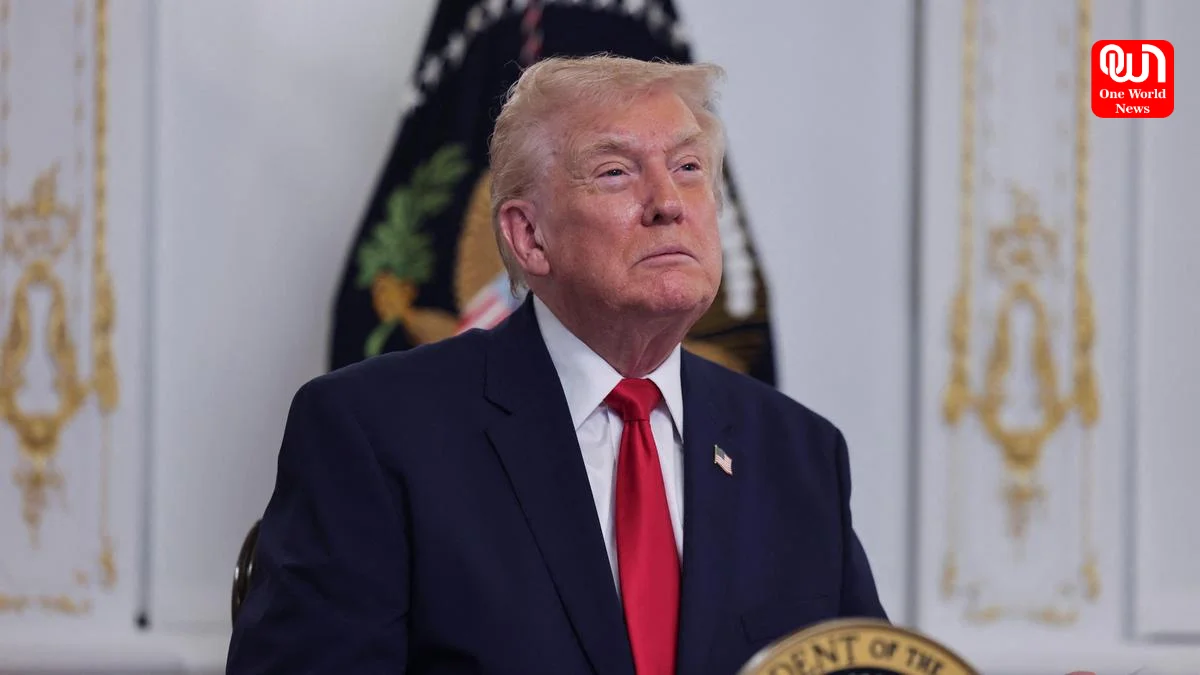
US Proposes New Tariffs Against India and 59 Other Economies Over Forced Labour Import Curbs: What It Means for Global Trade and India’s Exports
The United States has once again placed international trade under the spotlight after proposing new tariffs on imports from India and 59 other economies. The move comes following a U.S. investigation into countries that allegedly failed to effectively prevent the import of goods produced through forced labour. The proposal has raised concerns among global exporters, policymakers, and businesses, particularly as India and the United States are currently engaged in trade negotiations.
The development marks another significant chapter in international trade relations and could have far-reaching consequences for industries that rely heavily on exports to the American market.
Why Has the US Proposed New Tariffs?
The proposed tariffs stem from a Section 301 investigation conducted by the Office of the U.S. Trade Representative (USTR). The investigation examined whether major trading partners have implemented and enforced adequate restrictions on goods produced through forced labour. According to the USTR, many economies have failed to establish effective measures to prevent such products from entering their markets, creating what the U.S. considers unfair trade conditions.
The U.S. administration argues that forced labour practices distort global competition and place American workers and businesses at a disadvantage.
How Much Tariff Could India Face?
Under the proposal, India could be subjected to an additional tariff of 12.5% on imports entering the United States. India is among a group of countries that the USTR claims have not adequately enforced bans on goods linked to forced labour. Countries such as China, Japan, South Korea, Brazil, and Switzerland are also included in the higher tariff category.
Meanwhile, some economies including Canada, the European Union, Mexico, and the United Kingdom may face a slightly lower tariff rate of 10%.
Why Is India Included in the List?
According to the USTR’s findings, India has allegedly not imposed or effectively enforced a comprehensive prohibition on the importation of goods produced using forced labour. The report suggests that such gaps can indirectly support supply chains connected to labour exploitation, which the U.S. considers harmful to fair trade practices.
However, Indian trade experts have argued that the investigation focuses more on policy frameworks rather than direct evidence regarding Indian exports. Some analysts believe the proposal may also be part of broader trade negotiations between the two countries.
Impact on Indian Exporters
If implemented, the additional tariffs could increase the cost of Indian products in the American market. Sectors that depend heavily on exports to the United States may experience challenges, including:
Textile and Apparel Industry
Textiles remain one of India’s largest export categories. Higher tariffs could reduce competitiveness against suppliers from other regions and impact profit margins.
Manufacturing Sector
Manufacturers of engineering goods, machinery components, and industrial products may face increased pricing pressure in the U.S. market.
Gems and Jewellery
India’s gems and jewellery industry, a major contributor to export earnings, could also experience reduced demand if additional duties raise product costs for American buyers.
Small and Medium Enterprises (SMEs)
Many SMEs rely on U.S. customers for growth. Additional tariffs may affect their ability to compete internationally and expand market share.
What Happens Next?
The proposal is not yet final. The USTR has invited public comments and plans to conduct hearings before making a final decision. Stakeholders from affected countries, businesses, and trade organizations will have an opportunity to present their views.
India is expected to raise the issue during ongoing trade discussions with U.S. officials. Trade experts believe negotiations could play an important role in determining whether the tariffs are eventually imposed, modified, or withdrawn.
Global Trade Implications
The proposal affects 60 economies, making it one of the most extensive trade actions linked to labour standards in recent years. If implemented, it could encourage countries worldwide to strengthen supply chain monitoring and labour compliance measures.
The move also signals that labour rights are becoming increasingly important in international trade policy. Governments and businesses may need to adopt stricter due diligence processes to ensure products are sourced responsibly and comply with evolving regulations.
Conclusion
The announcement that the US Proposes New Tariffs Against India and dozens of other economies highlights the growing intersection of trade policy and labour standards. While the proposal remains under review, it has already sparked significant discussion among exporters, trade officials, and industry leaders.
For India, the coming weeks will be crucial as policymakers work to protect export interests while continuing trade negotiations with the United States. Businesses involved in international trade should closely monitor developments and prepare for potential changes in market conditions.
We’re now on WhatsApp. Click to join.
Like this post?
Register at One World News to never miss out on videos, celeb interviews, and best reads.