Pakistan Major Water Crisis: How India’s Indus Treaty Move Nearly Triggered a Disaster Before Floods Brought Temporary Relief | Exclusive
Pakistan Major Water Crisis explained after India's Indus Treaty move. Learn how floods delayed disaster and what it means for the future.

Pakistan Major Water Crisis: How India’s Indus Treaty Move Nearly Triggered a Disaster Before Floods Brought Temporary Relief | Exclusive
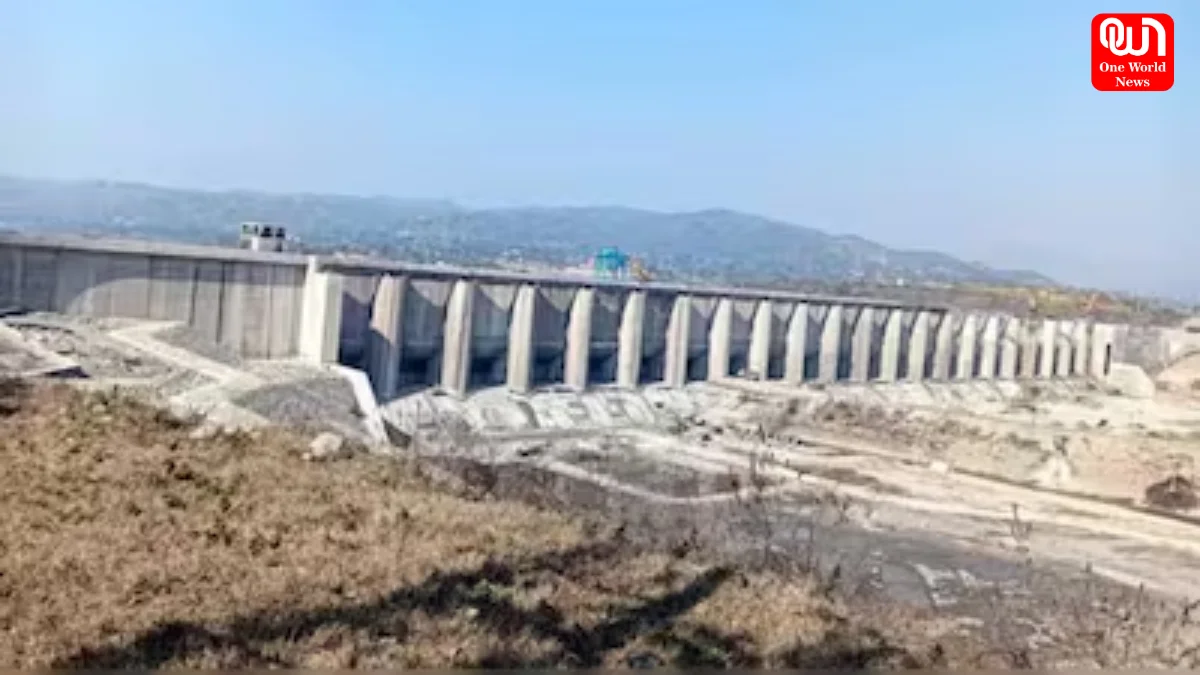
The Pakistan Major Water Crisis has become one of South Asia’s most significant geopolitical and environmental concerns. Following India’s decision to keep the Indus Waters Treaty in abeyance after the 2025 Pahalgam terror attack, Pakistan expressed fears of severe water shortages that could impact agriculture, drinking water supplies, and its overall economy. However, heavy seasonal floods temporarily increased river flows, easing immediate concerns even though long-term risks remain.
Experts believe the current relief should not be mistaken for a permanent solution. Pakistan continues to face structural water challenges, while India has reiterated its intention to maximize the use of river waters within its territory.
Why Is the Pakistan Major Water Crisis Making Headlines?
Pakistan depends heavily on the Indus River system for irrigation, drinking water, and hydroelectric power. Nearly 80% of its agricultural land relies on these rivers, making uninterrupted water flow crucial for food production and rural livelihoods.
After India suspended implementation of the treaty, concerns grew that reduced water availability could create:
- Agricultural losses
- Drinking water shortages
- Lower hydroelectric generation
- Rising food prices
- Economic instability
The situation quickly became one of the most closely watched developments in South Asia.
Read more: US Senate Passes Resolution Calling for End to Trump’s Military Action Against Iran
India’s Indus Treaty Move Explained
The Indus Waters Treaty, signed in 1960 with the World Bank as a facilitator, has governed water sharing between India and Pakistan for decades.
Following the Pahalgam terror attack in April 2025, India announced that it would place the treaty in abeyance, citing national security concerns. Since then, Indian leaders have repeatedly stated that the country intends to utilize more of its allocated river waters domestically and expand related infrastructure projects.
This policy shift has significantly increased tensions between the two neighboring countries.
How Floods Temporarily Prevented a Bigger Crisis
Ironically, nature provided temporary relief.
Heavy monsoon rainfall and increased river flows boosted water availability across Pakistan’s river system. The floods replenished reservoirs and irrigation channels, preventing an immediate large-scale water shortage.
However, experts caution that floods are unpredictable and cannot replace long-term water management strategies. While excessive rainfall can temporarily improve storage levels, it may also damage infrastructure, displace communities, and destroy crops.
The immediate crisis may have eased, but Pakistan’s long-term water vulnerability remains unchanged.
Why Pakistan Remains Vulnerable
Several long-term factors continue to threaten Pakistan’s water security:
Growing Population
Water demand continues to increase as Pakistan’s population expands.
Climate Change
Changing rainfall patterns, glacier melt, and rising temperatures are affecting river flows across the region.
Aging Infrastructure
Water losses from outdated canals and storage systems reduce available supplies.
Agricultural Dependence
Agriculture consumes the majority of Pakistan’s freshwater resources, making efficient water management increasingly important.
Combined, these challenges increase the risk of future shortages regardless of seasonal flooding.
Impact on Farmers and the Economy
Agriculture contributes significantly to Pakistan’s economy.
If water shortages worsen, farmers could experience:
- Lower crop production
- Reduced wheat and rice yields
- Cotton production losses
- Higher irrigation costs
- Food inflation
Such impacts would also affect exports, employment, and rural incomes.
Rising Diplomatic Tensions
The water dispute has become an important diplomatic issue.
Pakistan has repeatedly expressed concern over India’s treaty decision, while India maintains that national security considerations justify its current approach and has described the treaty as outdated in present circumstances. Public statements from leaders on both sides have reflected the heightened sensitivity surrounding water security.
What Could Happen Next?
Several possibilities remain under discussion:
- Expansion of Indian water infrastructure projects
- Continued diplomatic negotiations
- International legal and diplomatic engagement
- Greater investment in water conservation by Pakistan
- Improved regional water management initiatives
Experts agree that sustainable water management will become increasingly important as climate pressures intensify.
Conclusion
The Pakistan Major Water Crisis highlights the growing importance of water security in South Asia. Although seasonal floods temporarily reduced immediate fears after India’s Indus Treaty move, they did not resolve the underlying challenges.
Population growth, climate change, aging infrastructure, and geopolitical tensions continue to place enormous pressure on the region’s shared water resources. The coming years will likely determine whether cooperation, infrastructure development, or continued diplomatic confrontation shapes the future of the Indus River system.
We’re now on WhatsApp. Click to join.
Like this post?
Register at One World News to never miss out on videos, celeb interviews, and best reads.