Oil Prices Drop Over 5% After Trump Pauses Iran Strikes, Raising Hopes of Diplomatic Breakthrough
Oil Prices Drop Over 5% as Trump pauses Iran strikes, boosting hopes of diplomacy, easing supply concerns, and calming global oil markets.

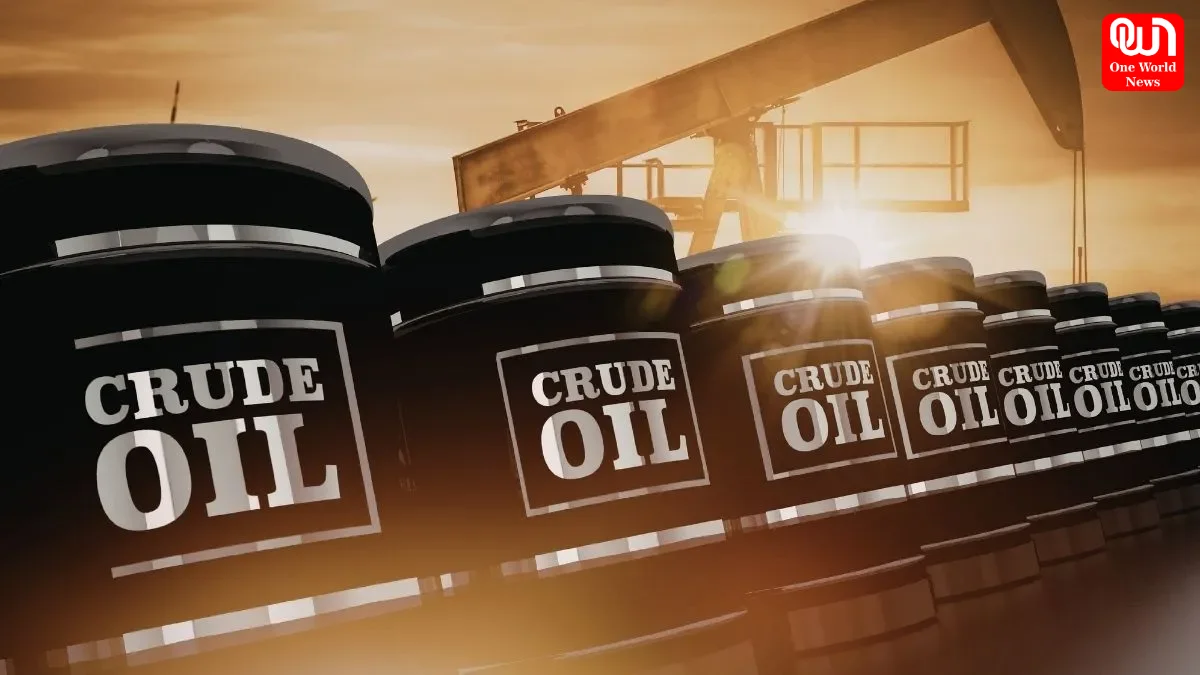
Oil Prices Drop Over 5% After Trump Pauses Iran Strikes, Raising Hopes of Diplomatic Breakthrough in Middle East and Easing Global Supply Concerns
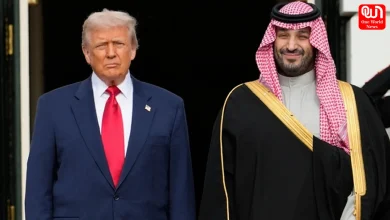
Oil Prices Drop Over 5% after U.S. President Donald Trump announced a pause in military strikes on Iran, giving global markets renewed optimism that diplomatic negotiations could reduce tensions in the Middle East. The sharp decline in crude oil prices reflects investors’ confidence that a temporary halt in hostilities may help stabilize one of the world’s most important energy-producing regions.
Why Did Oil Prices Drop?
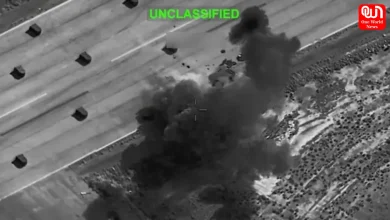
The latest decline came after reports that the United States suspended further military action against Iran following two weeks of heightened conflict. This decision has increased expectations that both nations may return to diplomatic discussions instead of continuing military escalation.
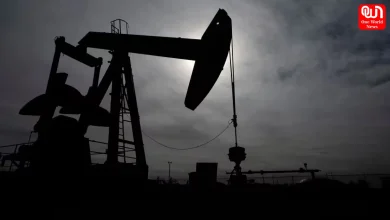
Brent crude futures dropped by nearly 6%, while U.S. West Texas Intermediate (WTI) crude also recorded losses of more than 5%. The market reacted quickly because traders believe reduced geopolitical tensions lower the risk of disruptions to global oil supplies.
Diplomatic Hopes Calm Global Energy Markets
The Middle East remains one of the world’s most important oil-producing regions, making every geopolitical development closely watched by energy markets. Investors had previously pushed oil prices above $100 per barrel due to fears that continued attacks could interrupt shipping through the Strait of Hormuz, one of the world’s busiest oil transit routes.
Trump’s decision to pause military strikes has temporarily eased those concerns. Market participants now hope negotiations could lead to greater regional stability, allowing oil exports and shipping operations to continue without major interruptions.
Impact on Global Oil Supply
One of the biggest concerns during the conflict has been the possibility of reduced oil exports from the Middle East. Countries in the region supply a significant portion of global crude oil, and any disruption can immediately affect international energy prices.
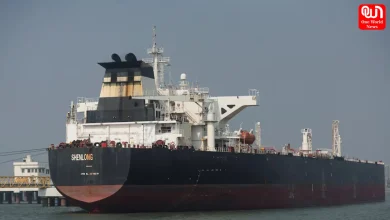
With the pause in strikes, traders are expecting fewer risks to production facilities, oil tankers, and shipping lanes. Although experts caution that uncertainty remains, the latest development has reduced immediate fears of a prolonged supply crisis.
What This Means for Consumers
Lower crude oil prices often translate into benefits for consumers, although the effects usually take time to appear.
Potential benefits include:
- Lower petrol and diesel prices
- Reduced transportation costs
- Lower manufacturing expenses
- Improved airline operating costs
- Reduced inflationary pressure
For countries that rely heavily on imported crude oil, falling prices can also improve trade balances and reduce pressure on local currencies.
Financial Markets Respond Positively
The decline in oil prices also lifted investor confidence across global financial markets. Lower energy costs generally help reduce inflation concerns, which can encourage stronger stock market performance.
Investors interpreted the pause in military action as a positive signal that diplomatic efforts may prevent further escalation. As a result, several equity markets showed signs of recovery while bond yields eased amid expectations of reduced inflation risks.
Read more: India-China Border Trade to Resume After Six Years as Nathu La Pass Reopens on August 1
Can Oil Prices Fall Further?
While the latest decline is significant, analysts believe oil markets will continue to remain highly volatile. Much depends on whether diplomatic talks make meaningful progress or whether tensions flare up again.
Several factors could influence future prices, including:
- Progress in U.S.-Iran negotiations
- Stability in the Strait of Hormuz
- Global crude oil demand
- OPEC+ production decisions
- Ongoing geopolitical developments
If diplomatic discussions continue successfully, oil prices could remain under pressure. However, any renewed military action could quickly reverse the recent losses.
Analysts Urge Caution
Despite the optimistic market reaction, energy analysts warn that the situation remains fragile. Shipping companies are still monitoring security risks, and some tanker operators remain cautious about resuming normal operations through affected routes.
Experts note that while the pause in military operations is encouraging, markets will require stronger evidence of a lasting diplomatic agreement before pricing in long-term stability.
Rread more: Bihar Cop Suspended After Viral Video Allegedly Shows AK-47 Firing During Siwan Student Protest
Conclusion
The news that Oil Prices Drop Over 5% following Trump’s decision to pause Iran strikes highlights how sensitive global energy markets are to geopolitical developments. The move has raised hopes for a diplomatic breakthrough, easing immediate concerns over oil supply disruptions and improving investor sentiment worldwide.
Although uncertainty remains, the latest decline demonstrates that diplomacy can have an immediate and powerful impact on commodity markets. Investors, governments, and consumers will now closely watch future negotiations to determine whether this temporary relief develops into a lasting peace that supports stable global energy prices.
We’re now on WhatsApp. Click to join.
Like this post?
Register at One World News to never miss out on videos, celeb interviews, and best reads.