US Suspends Iran Oil Sanctions Till August 21: What It Means for India’s Energy Security, Oil Prices, and Economy
US Suspends Iran Oil Sanctions till August 21. Learn how the temporary waiver may impact India's oil imports, fuel prices, economy, and energy security.

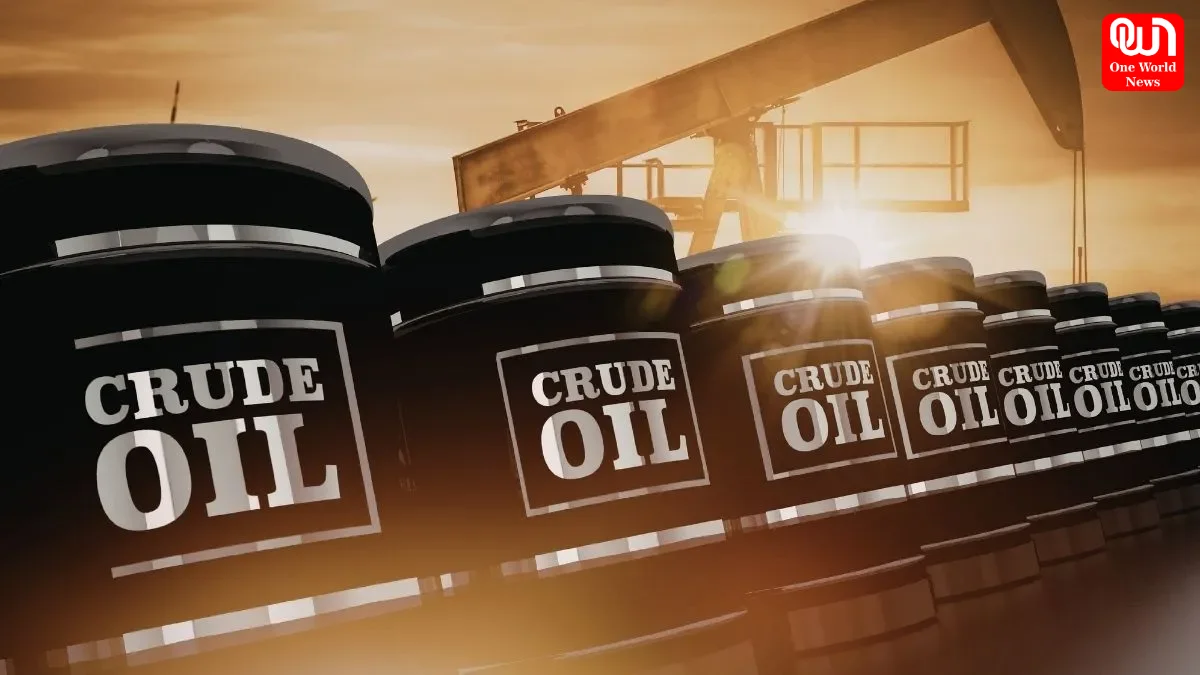
US Suspends Iran Oil Sanctions Till August 21 Amid Peace Talks: What the Temporary Iran Oil Sanctions Waiver Means for India, Crude Oil Prices, and Global Energy Markets
The announcement that the US Suspends Iran Oil Sanctions until August 21 has become one of the most significant developments in the global energy market this year. The temporary waiver allows Iran to export crude oil and petroleum products legally for a limited period while diplomatic negotiations continue between Washington and Tehran. According to reports, the United States has issued a 60-day license permitting the sale, transportation, insurance, and banking services related to Iranian oil exports until August 21.
For India, one of the world’s largest oil-importing nations, this decision could have major implications. From potentially lower crude oil prices to improved energy security, the temporary easing of sanctions may offer several economic benefits.
Why Did the US Suspend Iran Oil Sanctions?
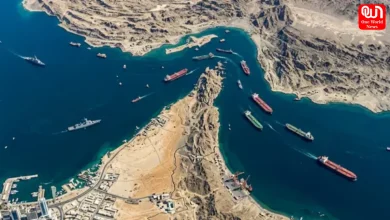
The United States introduced the temporary waiver as part of ongoing negotiations aimed at achieving a broader peace agreement in West Asia. The decision allows Iran to sell crude oil on international markets while talks continue regarding regional security, nuclear inspections, and the stability of the Strait of Hormuz.
The waiver remains valid until August 21 and permits activities related to Iranian oil production, transportation, insurance, and financial transactions. This represents one of the most significant relaxations of Iran-related sanctions in recent years.
Why Is Iran Important for India’s Energy Needs?
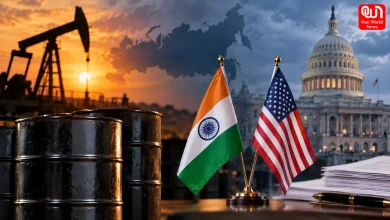
India imports more than 80% of its crude oil requirements, making energy security a top priority. Before sanctions were tightened in 2018, Iran was among India’s major crude oil suppliers. Indian refiners appreciated Iranian crude because of its competitive pricing, favorable payment terms, and suitable quality for Indian refineries.
The temporary suspension of sanctions may create opportunities for Indian oil companies to explore Iranian crude supplies again if commercial conditions become favorable.
Impact on Global Oil Prices
One of the immediate effects of the announcement has been a decline in international oil prices. Markets reacted positively because additional Iranian oil entering the market could increase global supply and reduce fears of shortages. Reports indicate that crude oil prices fell after the sanctions waiver was announced.
Lower global oil prices generally benefit India because:
- Import costs decline
- Trade deficit pressure reduces
- Inflation risks ease
- Fuel prices may stabilize
- Transportation costs become more manageable
These factors can positively influence overall economic growth.
How Could India Benefit?
1. Greater Energy Security
The temporary waiver provides India with an additional potential source of crude oil. Diversifying suppliers helps reduce dependence on any single region or country.
2. Reduced Import Costs
If Iranian crude becomes available at competitive rates, Indian refiners may benefit from better pricing options. This could help lower the overall cost of imported oil.
3. Stable Fuel Prices
A larger global oil supply often helps stabilize petrol and diesel prices. Although domestic fuel prices depend on several factors, softer crude prices generally provide relief.
4. Improved Trade Balance
India spends billions of dollars annually on crude oil imports. Lower oil prices can help reduce import bills and improve the country’s trade balance.
Challenges and Uncertainties
While the news appears positive, several uncertainties remain.
The waiver is temporary and currently scheduled to expire on August 21. Any future extension will depend on the progress of diplomatic negotiations between the United States and Iran. If talks fail, sanctions could be reinstated.
Additionally, Indian companies may remain cautious until there is greater clarity regarding long-term sanctions policy and financial transaction mechanisms.
What Happens After August 21?
The future depends largely on the outcome of ongoing negotiations. If a broader agreement is reached, sanctions relief could continue, potentially allowing Iran to become a more active player in global energy markets. If negotiations stall, restrictions could return, affecting global supply and oil prices.
Read more: 22 June Veronica Gold Update: Gold and Silver Prices Surge Today, Bullion Market Sees Fresh Momentum
For India, policymakers and refiners will closely monitor developments over the coming weeks to assess future procurement opportunities.
Conclusion
The decision that the US Suspends Iran Oil Sanctions until August 21 is a major development for global energy markets. For India, the move could offer improved energy security, lower import costs, and support for economic stability. While the waiver is temporary, it provides an opportunity for global oil markets to stabilize and for countries like India to potentially benefit from increased supply and softer crude prices. The coming weeks will determine whether this temporary relief evolves into a longer-term shift in international energy trade.
We’re now on WhatsApp. Click to join.
Like this post?
Register at One World News to never miss out on videos, celeb interviews, and best reads.