US Senate Passes Resolution Calling for End to Trump’s Military Action Against Iran
US Senate passes resolution urging an end to Trump's military action against Iran. Historic vote reignites debate over war powers.

US Senate Passes Resolution Calling for End to Trump’s Military Action Against Iran
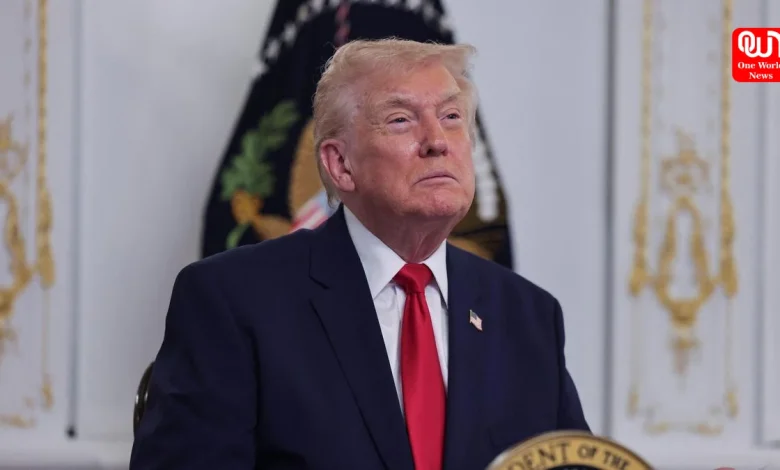
The United States Senate has passed a significant resolution calling for an end to President Donald Trump’s military action against Iran, marking one of the most important congressional challenges to presidential war powers in recent years. The vote has reignited debates over the balance of power between Congress and the White House while drawing international attention to U.S. foreign policy in the Middle East.
The resolution, which received bipartisan support, aims to ensure that any future military engagement involving Iran receives proper congressional authorization. The move comes amid growing concerns among lawmakers about the scope and duration of U.S. military involvement in the region. The Senate’s action reflects increasing pressure on the Trump administration to justify military operations and seek legislative approval before continuing hostilities.
Why the US Senate Passed the Resolution
The Senate resolution is rooted in constitutional concerns regarding war powers. Under the U.S. Constitution, Congress has the authority to declare war, while the President serves as Commander-in-Chief of the armed forces. Many lawmakers argue that extended military action against Iran should not proceed without explicit congressional approval.
Supporters of the resolution believe it reinforces the principle that major military decisions must involve elected representatives from both parties. They argue that unchecked executive authority could lead the United States into prolonged conflicts without sufficient public debate or legislative oversight.
Details of the Senate Vote
The resolution passed the Senate by a narrow margin of 50-48. Several Republican senators joined Democrats in supporting the measure, highlighting bipartisan concern over continued military engagement with Iran. The vote represents a symbolic yet politically significant rebuke of Trump’s military strategy and demonstrates growing unease among lawmakers regarding U.S. involvement in foreign conflicts.
Political analysts view the outcome as evidence that concerns over war powers extend beyond party lines. The Senate’s decision sends a strong message that Congress intends to play a larger role in decisions involving military force.
Trump’s Response to the Resolution
President Trump criticized the resolution and questioned its practical impact. Supporters of the administration argue that the President must retain flexibility to respond quickly to national security threats. They contend that military operations against Iran were necessary to protect American interests and regional stability.
However, critics maintain that even national security actions should be subject to constitutional checks and balances. The dispute highlights the ongoing tension between executive authority and congressional oversight in matters of war and peace.
Impact on US-Iran Relations
The Senate resolution could influence future diplomatic negotiations between the United States and Iran. While the measure does not automatically end military operations, it increases political pressure on the administration to pursue diplomatic solutions rather than military escalation.
International observers are closely monitoring developments, as any change in U.S. policy toward Iran could affect regional security, global energy markets, and diplomatic relations across the Middle East. The resolution also signals to allies and adversaries that Congress remains actively involved in shaping American foreign policy.
What Happens Next?
Although the Senate has passed the resolution, questions remain about its legal and practical implications. Constitutional experts note that war powers disputes have historically led to legal and political battles between Congress and the executive branch.
The resolution’s future impact will depend on congressional follow-up actions, administration responses, and potential court challenges. Regardless of the outcome, the vote represents a landmark moment in the ongoing debate over presidential authority and military intervention.
Conclusion
The US Senate’s decision to pass a resolution calling for an end to Trump’s military action against Iran marks a significant development in American politics and foreign policy. The vote underscores bipartisan concerns about war powers, congressional oversight, and the future direction of U.S. involvement in the Middle East. As debates continue in Washington, the resolution serves as a reminder of the constitutional checks and balances that shape American democracy.
We’re now on WhatsApp. Click to join.
Like this post?
Register at One World News to never miss out on videos, celeb interviews, and best reads.