
Indus Waters Dispute: Pakistan Threatens Strong Response as India Calls Water Issue a Pressure Tactic
Indus Waters Dispute: Pakistan and Shehbaz Sharif warn of a strong response, while India links the water dispute to cross-border terrorism.

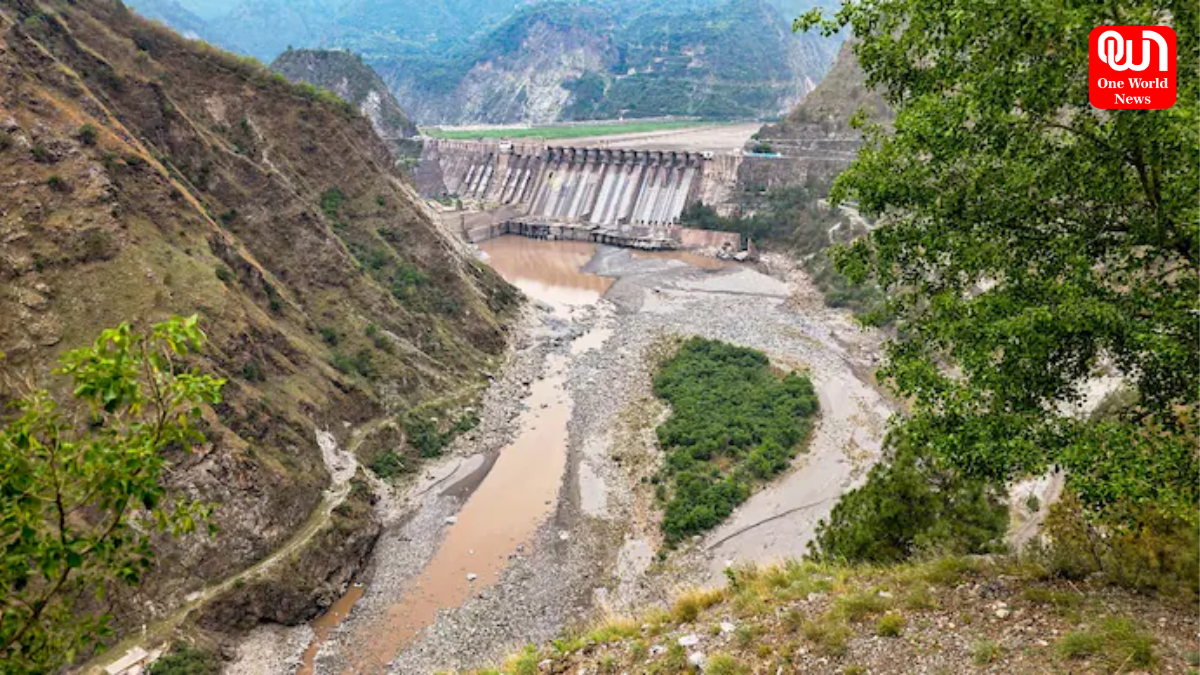
Indus Waters Dispute Escalates: Pakistan, Shehbaz Sharif Threaten Strong Response as India Links Indus Waters Treaty to Cross-Border Terrorism and Calls It a Bilateral Issue
The Indus Waters Dispute between Pakistan and India is once again becoming a major bilateral issue, with both sides maintaining firm positions over the future of the Indus Waters Treaty. Pakistan has repeatedly warned that any attempt to interfere with its water share would receive a strong response, while India continues to maintain that the treaty will remain in abeyance until Pakistan credibly addresses concerns related to cross-border terrorism.
The latest escalation highlights how water, security and diplomatic relations have become closely connected between the two neighbouring countries. Pakistan considers the Indus river system essential to its agriculture and economy, while India has argued that its relationship with Pakistan cannot return to normal without progress on security concerns.
Shehbaz Sharif Warns of Strong Response
Pakistan Prime Minister Shehbaz Sharif has taken a strong position on the water dispute. In June 2026, he described India’s suspension of the Indus Waters Treaty as an act of water aggression and said Pakistan would give a befitting response. He also called for national unity in dealing with the issue.
More recently, Sharif again warned India against attempting to stop Pakistan’s water. Pakistani officials have repeatedly described water as a vital national interest and have said Islamabad will not compromise on what it considers its rights under the treaty.
These statements show that Islamabad is treating the water dispute as more than an ordinary diplomatic disagreement. Pakistan has also taken its position to international forums and argued that the treaty cannot simply be suspended or changed by one side.
What Is the Indus Waters Treaty?
The Indus Waters Treaty was signed in 1960 with the assistance of the World Bank. It established a framework for sharing the waters of the Indus river system between India and Pakistan.
Under the agreement, the eastern rivers—Ravi, Beas and Sutlej—were allocated primarily for India’s use, while Pakistan received rights over the western rivers—Indus, Jhelum and Chenab, subject to provisions allowing certain Indian uses.
For decades, the treaty survived wars, political disagreements and periods of poor relations. However, the current situation is considerably more tense because water has become connected with broader security and diplomatic disputes.
Why India Has Kept the Treaty in Abeyance
India has maintained that the treaty remains in abeyance and has linked any possible restoration of normal treaty relations to Pakistan ending support for cross-border terrorism. The Indian government has also argued that the existing arrangement does not adequately reflect India’s present requirements and changing circumstances.
New Delhi’s position is closely connected to the wider deterioration in India-Pakistan relations following the Pahalgam terror attack in 2025. India has argued that cooperation on water cannot be separated from the security environment.
This has made the Indus issue part of a much larger strategic dispute rather than simply a question about river management.
Pakistan Seeks International Attention
Pakistan has rejected India’s position and continues to argue that the treaty is an internationally recognised agreement that cannot be unilaterally suspended. Pakistani officials have said Islamabad will explore legal, political and diplomatic options available under the treaty and international law.
Read more: Cauvery Water Dispute | Karnataka Bandh: What Is Open, Closed in Bengaluru on August 13
Pakistani ministers have also tried to present the issue as a matter of water security and the rights of downstream communities. The government says millions of people depend on the Indus river system for farming, drinking water and economic activity.
Is This a Water Dispute or a Pressure Tactic?
The latest rhetoric raises an important question: is the escalating Indus Waters Dispute primarily about water, or is it also being used as diplomatic pressure?
From India’s perspective, the water issue is linked to a broader security relationship and the demand that Pakistan address cross-border terrorism. Pakistan, meanwhile, portrays India’s position as an attempt to put pressure on a country heavily dependent on the Indus basin.
This difference in interpretation makes compromise more difficult. Strong public statements from both sides can increase political pressure at home while reducing room for quiet diplomacy.
What Could Happen Next?
The future of the Indus Waters Treaty remains uncertain. Continued diplomatic engagement, legal proceedings and international attention are likely to remain important as both countries defend their positions.
For Pakistan, protecting water access is a major economic and national-security concern. For India, the issue is increasingly tied to national security and its broader relationship with Pakistan.
The latest statements from Shehbaz Sharif and other Pakistani officials suggest that Islamabad wants to demonstrate that it will respond strongly to any perceived threat to its water supply. India, meanwhile, appears determined to maintain its position until its security concerns are addressed.
The Indus Waters Dispute therefore remains much more than a disagreement over rivers. It is now part of a complicated bilateral issue involving water security, diplomacy, national interests and cross-border terrorism. How the two countries manage this dispute could have major consequences for regional stability and millions of people who depend on the Indus basin.
We’re now on WhatsApp. Click to join.
Like this post?
Register at One World News to never miss out on videos, celeb interviews, and best reads.