Savings + Trading + Demat: Why a 3-in-1 Account Simplifies Investing
This is where a 3-in-1 account can simplify things. By connecting your savings, trading, and demat accounts, it creates a more convenient setup for managing your money and investments in one place.

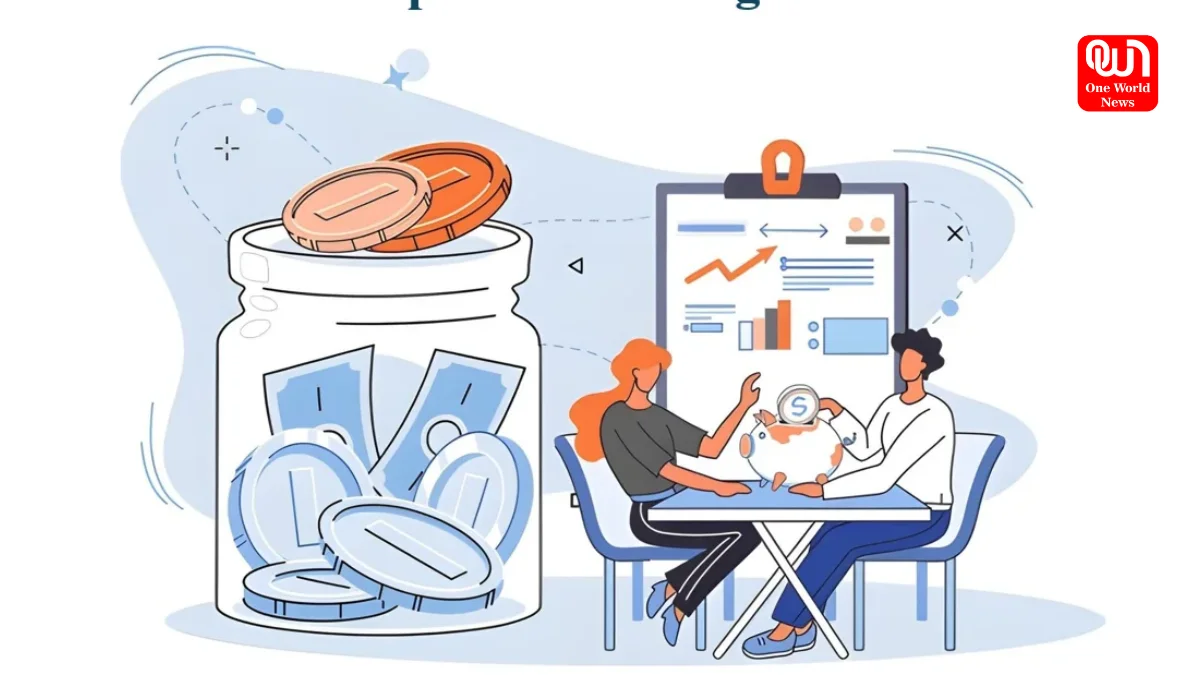
Investing in the stock market involves more than just choosing a share. You need a bank account to manage your money, a demat account to hold your investments, and a trading account to place buy and sell orders. For someone new to investing, keeping track of all three can feel like unnecessary juggling.
This is where a 3-in-1 account can simplify things. By connecting your savings, trading, and demat accounts, it creates a more convenient setup for managing your money and investments in one place.
What Is a 3-in-1 Account?
A 3-in-1 account brings together three financial facilities:
- Savings account: Used to hold and manage your money.
- Trading account: Used to buy and sell securities.
- Demat account: Used to hold shares and other eligible securities electronically.
Traditionally, investors may have opened these accounts separately and moved money between them when making investments. With a 3-in-1 setup, the accounts are linked, streamlining the process. For beginners, this can reduce the friction of getting started.
How Does a 3-in-1 Account Work?
The basic process is straightforward.
Suppose you decide to buy shares worth ₹10,000. The money is available in your linked savings account. When you place the order through your trading account, the required funds can be transferred through the linked banking setup. Once the purchase is completed, the shares are credited to your demat account.
When you eventually sell those shares, the proceeds can flow back through the linked banking arrangement, subject to the applicable settlement process.
The important point is that the three accounts work together rather than operating as separate pieces.
Why Linking These Accounts Can Be Useful
A 3-in-1 account is not a different type of investment. Its main advantage is convenience.
Here are some of the ways it can simplify investing:
Less Account Juggling
With separate providers, you may need to transfer money manually between your bank and trading account. A linked setup can make this process more straightforward.
Easier Fund Management
Having banking and investment facilities connected gives you a clearer view of where your money is and how it is being used for investments.
One Login for Multiple Services
Depending on the provider, you may be able to access banking, trading, and demat-related services through a connected digital experience rather than managing several platforms.
Smoother Investing Experience
For someone making their first investment, fewer steps can make the overall process easier to understand and manage.
3-in-1 Account vs Separate Accounts
Both approaches can work. The difference is mainly in how the services are connected.
| Feature | 3-in-1 Account | Separate Accounts |
| Savings account | Linked with investment setup | Managed separately |
| Trading account | Connected to banking and demat | May be with another provider |
| Demat account | Linked to trading facility | Can be held separately |
| Fund transfer | Generally, more streamlined | May require manual transfers |
| Account management | More integrated | Multiple platforms may be involved |
| Convenience | High | Depends on the providers used |
Before choosing an account, check the applicable charges, features, and terms rather than choosing solely because it combines three services.
What Do You Need to Open One?
The account-opening process generally involves completing KYC and providing the required personal and financial information.
You may need details such as:
- PAN
- Identity and address information
- Bank details
- Mobile number
- Email address
- Other information required for KYC and account verification
Digital onboarding has made the process considerably easier. Depending on the provider and applicable requirements, you can complete identity verification and documentation online.
Make sure the information you provide is accurate and keep your registered contact details updated.
A Share Market App Can Make Things Even Easier
Once your accounts are connected, a share market app can give you a convenient way to manage your investments.
From your phone, you may be able to check your holdings, monitor market prices, place orders, and access account information.
The convenience is useful, but it should not encourage impulsive investing. Being able to buy or sell shares in a few taps does not make those decisions any less important.
Take time to research an investment before placing an order.
Is a 3-in-1 Account Right for Everyone?
Not necessarily. Someone who already has a preferred bank and trading account may be perfectly comfortable keeping the services separate. Investors who value convenience and want their banking and investment activities connected may find a 3-in-1 account more useful.
Before opening one, compare:
- Account opening and maintenance charges
- Brokerage and other trading costs
- Banking facilities
- Investment products available
- Digital features
- Customer support
The cheapest option is not always the most convenient, and the most feature-rich account may not be necessary for someone who invests only occasionally.
Read More: Strong Market Debut: Shiprocket Shares List At 35% Premium; Should You Buy, Sell Or Hold?
Things to Keep in Mind
A 3-in-1 account simplifies investing, but it does not simplify the risks involved.
Your investments can lose value, and market returns are not guaranteed. The convenience of having everything connected should therefore be treated as an operational benefit, not a reason to invest more than you can afford.
It is also important to keep your login credentials, passwords, and OTPs private. Never share them with someone claiming to manage your investments on your behalf.
Final Thoughts
Managing a savings account, trading account, and demat account separately can create extra steps, especially when you are new to investing. A 3-in-1 account brings these three pieces together, making it easier to move money from the bank to the market.
The biggest benefit is not a promise of better returns. It is simply a smoother experience.
For investors who value convenience, having banking, trading, and demat facilities connected can make day-to-day investment management easier. Just remember that while technology can simplify the process, researching investments and managing risk still require your attention.
We’re now on WhatsApp. Click to join.
Like this post?
Register at One World News to never miss out on videos, celeb interviews, and best reads.