Nepal China Disaster Cooperation: Himalayan Valley Flood, Glacier Disaster, Data Sharing & Early Warning
Nepal China disaster cooperation faces scrutiny after a Himalayan valley flood and glacier disaster highlight gaps in data sharing and early warning.

Nepal China Disaster Cooperation: Himalayan Valley Flood and Glacier Disaster Highlight Need for Data Sharing and Early Warning
The devastating Himalayan valley flood that struck the Nepal-China border region on August 26, 2026, has raised important questions about regional disaster preparedness, glacier monitoring and cross-border communication. According to Reuters, Nepal and China had already discussed glacier-related hazards and disaster preparedness approximately three months before the catastrophe.
The development has placed Nepal China disaster cooperation and cross-border data sharing under renewed attention. Nepali officials said they wanted earlier information about glacier movements, water levels and other hazards, while Chinese authorities maintained that important information had been shared in a timely manner.
Nepal And China Discussed Glacier Risks In May
On May 27, 2026, Nepalese and Chinese officials and experts met in Kathmandu to discuss ways of improving cooperation on floods, weather events and glacier-related hazards. The meeting included officials from Nepal and representatives from China, including the Tibet region.
Among the proposed measures were joint risk-reduction activities, including creating inventories of glacial lakes and developing hazard maps. These measures are particularly important because many rivers originating in the high Himalayas cross national borders, meaning that a dangerous event in an upstream area can quickly affect communities downstream.
Nepali officials later said that they wanted more information about early glacier movements and water levels. Better access to such information could potentially strengthen local preparedness and provide additional time for authorities to issue warnings.
Glacier Disaster Triggered A Catastrophic Flood
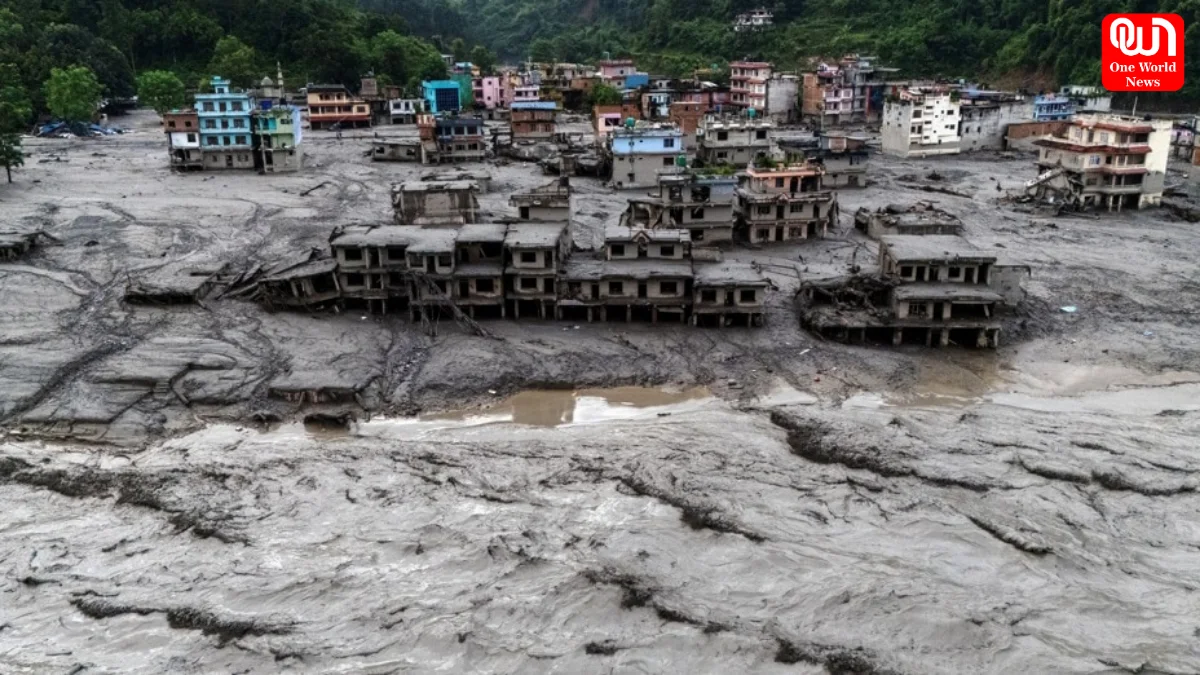
The August 26 disaster demonstrated the scale of the risks facing communities in the Himalayan region. A glacier and underlying rock collapse near the Nepal-China border triggered a massive flow of ice, rock, mud and water. The resulting flood moved through river systems and devastated communities and infrastructure downstream.
The disaster caused extensive destruction in Nepal, including damage to roads, bridges, settlements and hydropower infrastructure. Rescue operations have been complicated by debris, damaged transportation links and continuing risks in mountainous areas. Reports on August 31 said the death toll had risen above 900, with thousands still missing.
The event has highlighted how rapidly a glacier disaster can develop in a high-altitude environment and how difficult it can be to monitor remote areas.
Data Sharing Is Critical For Early Warning
One of the central issues emerging from the disaster is the importance of timely data sharing between neighboring countries. Nepal and China share a long Himalayan border, while rivers, glaciers and weather systems do not follow political boundaries.
Nepali officials said they sought information that could provide earlier indications of dangerous glacier activity and changes in water levels. China, however, has emphasized the technical and logistical challenges involved in monitoring remote Himalayan terrain and said information had been shared when available.
China’s World Meteorological Centre also sent Nepal information about a forecast monsoon depression 12 days before the disaster, warning of enhanced rainfall and possible cascading hazards such as landslides and flash floods.
Why The Himalayan Valley Remains Highly Vulnerable
The Himalayas contain large quantities of snow and ice, while steep terrain can make communities vulnerable to landslides, avalanches and sudden floods. Rising temperatures are also increasing concerns about glacier instability, although scientists caution that the precise role of climate change in any individual event requires careful analysis.
A major challenge is that many potentially dangerous glacier and mountain areas are difficult to access. Monitoring therefore depends increasingly on satellite observations, hydrological measurements, weather forecasting, field surveys and communication networks.
For countries sharing the same mountain and river systems, combining these resources could improve understanding of emerging risks.
Read more: Nepal China Floods: Death Toll, Missing People & Rescue Efforts
Strengthening Nepal China Disaster Cooperation
The latest disaster could encourage Nepal and China to strengthen their long-term Nepal China disaster cooperation framework. A more comprehensive approach could include real-time hydrological information, glacier monitoring, weather forecasts, hazard mapping and standardized emergency communication.
Early-warning systems are most effective when information reaches vulnerable communities quickly and when authorities have clear procedures for evacuation and emergency response. Experts have pointed to the time taken for floodwaters to travel downstream as evidence of why effective warning mechanisms can be valuable in such environments.
A Need For Better Regional Preparedness
The disaster has underscored the importance of cooperation across the Himalayan region. A stronger system for early warning, scientific monitoring and data sharing could help Nepal and China better understand hazards before they become emergencies.
The May discussions show that glacier and flood risks were already recognized before the August catastrophe. The challenge now is turning those discussions into practical systems capable of delivering reliable information quickly. For communities living in vulnerable Himalayan valleys, stronger disaster preparedness, improved monitoring and effective cross-border cooperation could become essential components of future flood and glacier-risk management.
We’re now on WhatsApp. Click to join.
Like this post?
Register at One World News to never miss out on videos, celeb interviews, and best reads.