Tibet Mudslide: 558 Missing, 165 Killed in Himalayan Disaster
Tibet mudslide near Gyirong leaves 558 missing, including 260 foreigners, as Nepal-China floods kill 165 and trigger urgent rescue operations.

Tibet Mudslide Disaster: 558 Missing in Tibet Including 260 Foreigners as Nepal-China Floods Leave 165 Dead
A devastating Tibet mudslide and flash flood disaster has struck the Himalayan region near the Nepal-China border, leaving hundreds of people missing and communities across the mountainous terrain severely affected. Chinese authorities reported that 558 people remain missing in Tibet, including 260 foreign nationals, after a major mudslide near Gyirong caused a sudden surge of water and debris.
The wider disaster has also had a catastrophic impact on Nepal, where at least 165 people have been killed in floods and landslides linked to the same Himalayan event. Rescue teams on both sides of the border are working under extremely difficult conditions as damaged roads, bridges and communication networks complicate access to affected locations.
Read more: B Nagendra Offers To Resign From DK Shivakumar Cabinet Over Valmiki Corruption Charges
What Happened In Gyirong?
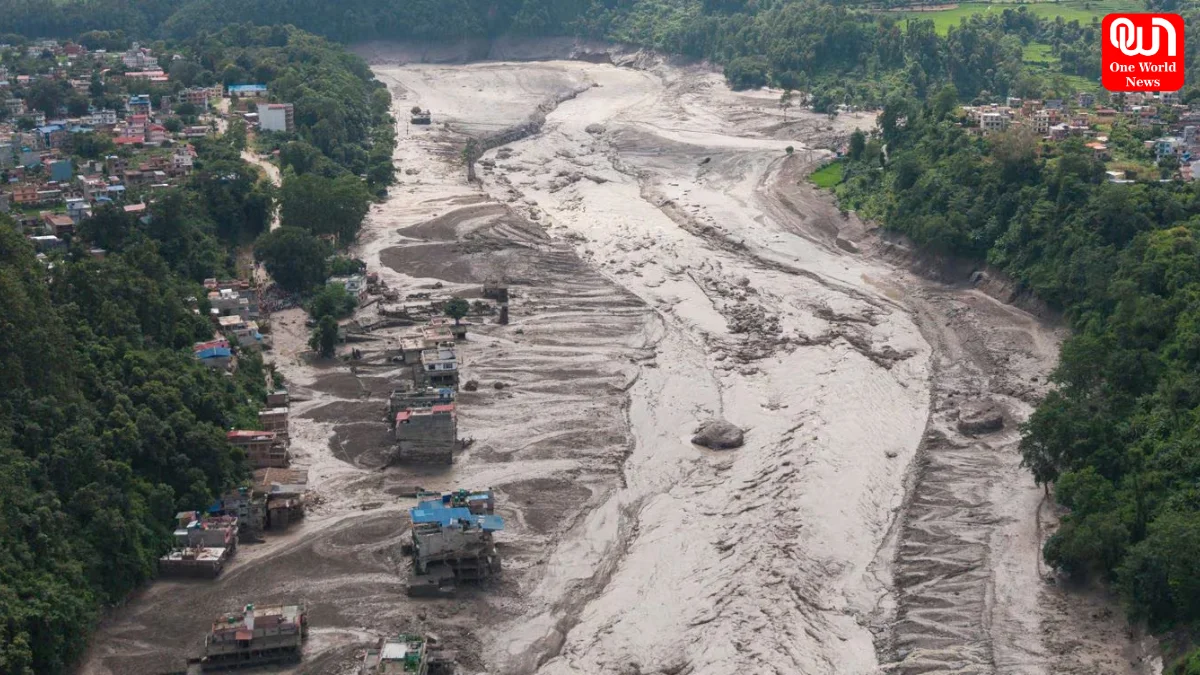
The disaster centered around Gyirong, a strategically important area in Tibet close to the Nepal border. Reports indicate that a large collapse of mud and rock entered a river, producing a powerful flash flood that swept through downstream areas.
The event caused extensive destruction to homes, roads, bridges and other infrastructure. The sudden movement of water and debris gave residents and travelers little time to respond. According to reports, Chinese authorities have also warned about additional geological risks caused by water being held upstream, creating concerns that another flood could occur.
The US Geological Survey has indicated that the event was associated with a glacial collapse rather than a conventional earthquake. The mountainous geography and rapidly changing conditions have made the situation particularly dangerous for rescue personnel.
558 People Reported Missing In Tibet
One of the most alarming aspects of the disaster is the number of people unaccounted for on the Tibetan side. Chinese state media reported 558 missing people, among them 260 foreigners.
The presence of foreign nationals has increased international concern because the region is an important route for pilgrims, tourists and travelers visiting destinations around Mount Kailash and the Himalayan border. Several nationalities have been reported among those affected across the wider disaster zone.
The number of missing people may continue to change as authorities receive new information from families, travelers and local communities. Search teams are therefore continuing to verify casualty and missing-person figures while attempting to reach isolated areas.
Nepal Faces Severe Flood And Landslide Damage
Across the border, Nepal has suffered extensive loss of life and infrastructure. At least 165 deaths have been reported in the wider flood disaster, while hundreds of people remain missing.
The affected areas include communities along rivers and valleys that were overwhelmed by rapidly moving floodwater. Roads and bridges were damaged or washed away, while hydropower infrastructure and other essential facilities were also affected.
The disaster has also disrupted travel routes used by pilgrims and tourists. Officials have warned residents in vulnerable locations to remain alert as river levels and geological conditions remain unstable.
Rescue Operations Continue Under Difficult Conditions
Rescue and relief operations are now the highest priority. China has deployed emergency personnel, including fire and rescue teams, to support operations in affected areas. Authorities are also monitoring upstream water conditions to identify potential threats to communities and rescuers.
In Nepal, security personnel and emergency teams are searching for missing people while providing assistance to displaced residents. However, damaged infrastructure, heavy rainfall, unstable slopes and difficult Himalayan terrain are slowing rescue efforts.
Helicopters, heavy machinery and other emergency resources are being used where roads are inaccessible. The challenging environment means that rescuers must balance the urgency of locating survivors with the risk of additional landslides and flooding.
Read more: Gold And Silver Prices Today: Gold Dips Marginally While Silver Gains
Why The Himalayan Region Is Highly Vulnerable
The Himalayan landscape is naturally vulnerable to floods, landslides, avalanches and glacial hazards. Steep valleys can channel enormous volumes of water and debris into populated areas within a very short period.
Scientists have increasingly highlighted the risks associated with a warming climate and changing glacier conditions across the Himalayas. Glacial collapses and sudden releases of water can produce destructive floods capable of traveling significant distances downstream.
The current disaster demonstrates how quickly a geological or glacial event can become a cross-border humanitarian emergency.
International Concern Grows As Search Continues
The scale of the tragedy has prompted concern from governments and international organizations as rescue teams continue searching for survivors. The large number of missing foreign nationals has also made the disaster an international emergency.
Authorities in China and Nepal are expected to continue updating casualty and missing-person figures as search operations progress. For families waiting for information, the priority remains locating missing relatives and establishing safe communication with affected areas.
Conclusion
The Tibet mudslide near Gyirong has developed into one of the region’s most serious Himalayan disasters, with 558 people reported missing in Tibet, including 260 foreigners, while the broader Nepal-China flood catastrophe has claimed at least 165 lives.
As rescue operations continue, authorities face the difficult task of reaching isolated communities, monitoring further flood risks and accounting for missing people. The unfolding tragedy in Tibet and Nepal highlights the immense vulnerability of Himalayan communities and travelers to sudden floods, mudslides and glacial hazards.
We’re now on WhatsApp. Click to join.
Like this post?
Register at One World News to never miss out on videos, celeb interviews, and best reads.