JNU Professor Angomcha Bimol Akoijam Alleges ‘Witch Hunt’, Vows Legal Fight Over Sexual Harassment Allegations
Angomcha Bimol Akoijam calls his JNU dismissal a witch hunt, questions the sexual harassment inquiry and vows to pursue legal channels.

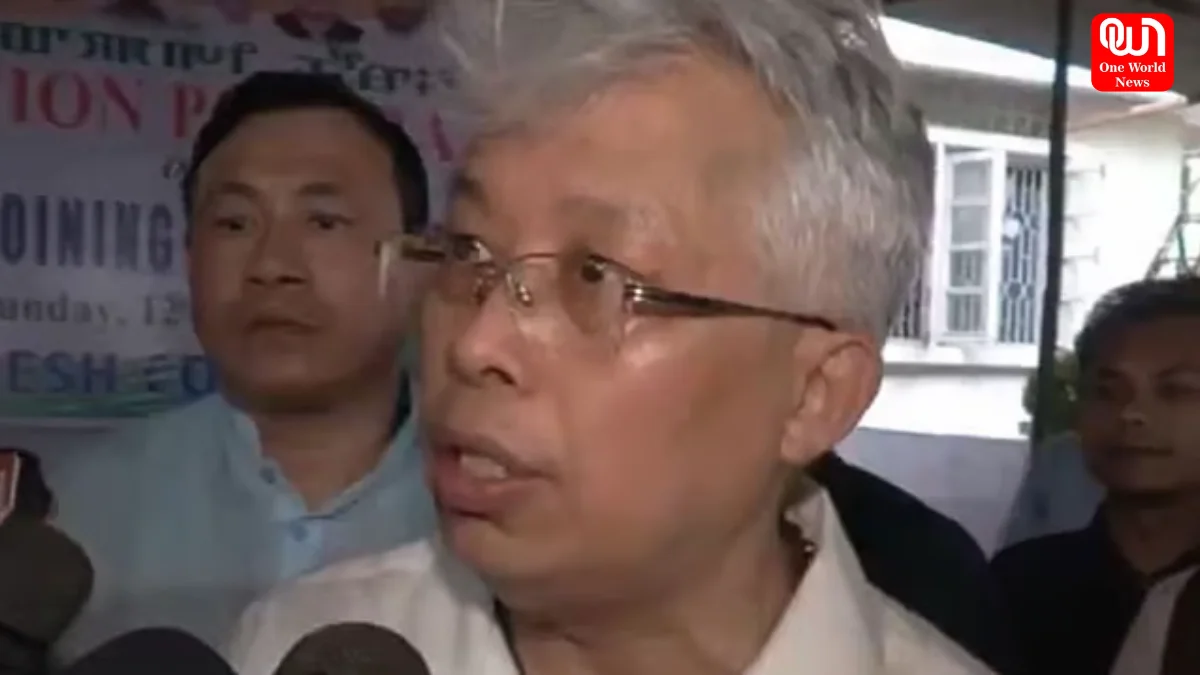
Angomcha Bimol Akoijam Calls JNU Dismissal a ‘Witch Hunt’, Questions Sexual Harassment Inquiry and Procedural Lapses, and Vows to Challenge Jawaharlal Nehru University’s Decision Through Legal Channels
The dismissal of Professor Angomcha Bimol Akoijam by Jawaharlal Nehru University (JNU) has sparked a major controversy involving allegations of sexual harassment, institutional accountability and questions about disciplinary procedures. Akoijam, who also represents the Inner Manipur constituency as a Congress Lok Sabha MP, has described the university’s decision as a “witch hunt” and vowed to challenge it through legal channels.
The university dismissed him from service with immediate effect on October 9, 2026, following an inquiry by its Internal Committee. While the university maintained that its decision followed due process, Akoijam questioned the procedure and alleged that important safeguards had not been followed. The development has drawn attention from political leaders, students and academic circles across the country.
Why Did Jawaharlal Nehru University Dismiss Angomcha Bimol Akoijam?
According to reports, the JNU dismissal followed complaints of sexual harassment filed by 11 female students against Akoijam. The allegations reportedly concerned inappropriate remarks, unwanted advances and conduct during academic interactions and gatherings.
Akoijam was associated with the Centre for the Study of Social Systems under the university’s School of Social Sciences. Following an investigation, the Internal Committee recommended major punishment, after which the university issued an order terminating his services.
The university’s order stated that the action was taken after considering the available facts and the committee’s findings. Akoijam, however, has denied the allegations and challenged the manner in which the decision was communicated and implemented.
The distinction between the allegations, the committee’s reported findings and Akoijam’s response remains important while understanding this developing case.
Akoijam Calls the Decision a ‘Witch Hunt’
Responding to his dismissal, the Congress MP characterised the action as a “witch hunt” and questioned whether the university had followed the prescribed rules. He argued that the matter raised serious concerns about fairness, transparency and the protection of the rights of the individuals involved.
Akoijam said he had not received the Internal Committee’s report, findings or recommendations before learning about the dismissal through media reports. He questioned how he could effectively challenge the decision without access to the documents on which the university had relied.
He also alleged that the action was politically motivated and suggested that the controversy was being used to undermine him. These claims remain his allegations and have not, by themselves, established political interference in the university’s decision.
Sexual Harassment Inquiry and Alleged Procedural Lapses
One of the central issues raised by Akoijam concerns the procedure followed during and after the sexual harassment inquiry. He questioned the timing of the committee’s recommendations and the university’s dismissal order, reportedly issued on the same day.
Akoijam referred to provisions concerning opportunities to challenge inquiry findings and argued that the prescribed process should be followed before a final disciplinary decision is implemented. He maintained that access to the relevant documents was necessary for him to understand and contest the findings.
He also raised concerns about confidentiality under Section 16 of the Sexual Harassment of Women at Workplace (Prevention, Prohibition and Redressal) Act, 2013, commonly known as the POSH Act. The provision addresses restrictions on publishing or communicating information relating to complaints, the identities of the parties and inquiry proceedings.
Read more: YouTuber Dhruv Rathee Detained From His Gurugram Residence Ahead Of CJP Protest: Sources
Whether the university violated any applicable provision will depend on the specific circumstances, the relevant rules and the evidence available. Akoijam’s allegations of procedural lapses should therefore be distinguished from any legal determination on the matter.
Congress Lok Sabha MP Vows to Challenge the Decision Through Legal Channels
Akoijam has announced that he intends to contest the dismissal through legal and political means. He has argued that the decision should be examined against the university’s regulations and the applicable legal framework.
The dispute has also raised questions about the authority and procedure involved in imposing disciplinary penalties. Some faculty members have reportedly questioned whether the university’s Executive Council should have considered the matter before the dismissal was ordered. These concerns add another dimension to the controversy, although the legality of the decision will depend on the governing rules and the complete record. <Cite refs={[“turn795366search0″,”turn795366search3”]}/>
Akoijam’s next steps may include seeking access to the inquiry documents and challenging the decision through the appropriate legal mechanisms. Any formal challenge will need to address the relevant regulations, the disciplinary process and the grounds on which the university acted.
Political Reactions to the JNU Dismissal
The controversy has extended beyond the university campus because Akoijam is also a Congress Lok Sabha MP from Inner Manipur. Manipur Chief Minister Y. Khemchand Singh has called for his resignation from Parliament, arguing that the seriousness of the allegations and the university’s decision raise questions about public accountability.
Other political voices have also commented on the case, turning the dismissal into a wider debate about institutional responsibility, student safety and political accountability.
Akoijam, meanwhile, has accused political opponents of exploiting the controversy and has maintained that he will not back down from his proposed legal fight. These competing positions have intensified public discussion, but political statements do not independently establish the legal merits of either side’s claims.
Read more: Indian Railways Cancels, Reschedules Trains To Delhi Ahead Of CJP Protest: Full List
Importance of Fair Investigations and Student Safety
The case highlights the importance of handling sexual harassment complaints seriously while ensuring that institutional procedures are followed. Universities have a responsibility to provide students with a safe learning environment and establish effective mechanisms for addressing complaints.
The POSH Act provides a legal framework for preventing and addressing sexual harassment at workplaces. Confidentiality, appropriate inquiry procedures and compliance with applicable rules are important elements of the process.
At the same time, disciplinary decisions should be assessed according to the governing regulations and available evidence. Where a person disputes a decision, the relevant appeal or legal process provides a means of examining the challenge. Ensuring fairness does not require dismissing complainants’ accounts, just as allegations of procedural lapses should not be treated as proven violations without examination.
The outcome of the legal dispute, if pursued, may help clarify the questions surrounding the university’s decision and the procedures that were followed.
Conclusion
The dismissal of Angomcha Bimol Akoijam by Jawaharlal Nehru University has developed into a significant controversy involving sexual harassment allegations, institutional accountability and questions about procedural fairness. While JNU says the dismissal followed an internal inquiry and the committee’s recommendations, Akoijam has called the action a “witch hunt” and vowed to challenge it through legal channels.
The key issues now include the handling of the inquiry, access to its findings, compliance with university regulations and the validity of the disciplinary decision. As the matter develops, the legal process and any further official findings will be important in determining the questions that remain unresolved.
The case also underlines the need for universities to protect students, handle complaints responsibly and follow established procedures when taking disciplinary action. The final legal position will depend on the applicable rules, the evidence and the outcome of any challenge.
We’re now on WhatsApp. Click to join.
Like this post?
Register at One World News to never miss out on videos, celeb interviews, and best reads.