Mumbai-Ahmedabad Bullet Train Date Announced? Railways Minister Reveals 4 New High-Speed Routes From Delhi
Mumbai-Ahmedabad Bullet Train date, latest updates, and 4 new Bullet Train routes from Delhi announced by Railways Minister. Read details.

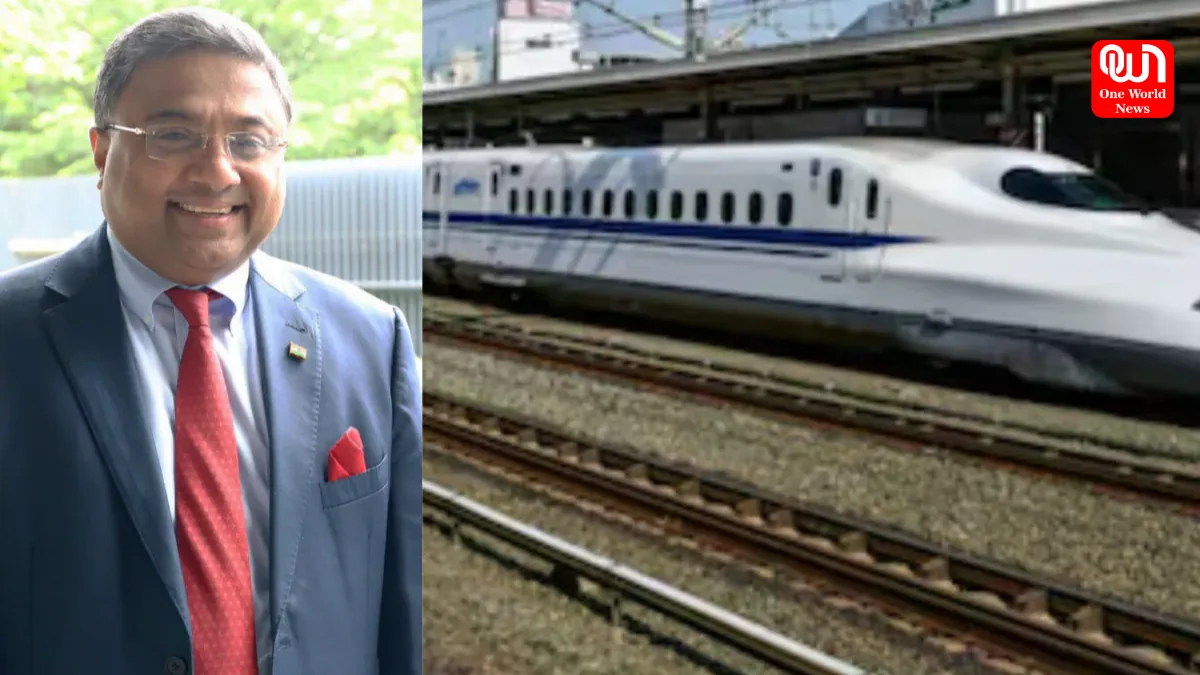
Mumbai-Ahmedabad Bullet Train Date, 4 New Routes From Delhi: What Railways Minister Ashwini Vaishnaw Said About India’s High-Speed Rail Future
India’s dream of a Bullet Train network is moving closer to reality. The Mumbai-Ahmedabad Bullet Train project, which is India’s first high-speed rail corridor, has achieved major construction milestones. Union Railways Minister Ashwini Vaishnaw recently shared fresh updates on the project’s timeline while also speaking about future high-speed rail corridors, including four proposed routes connecting Delhi with other major cities. These announcements highlight the government’s long-term plan to transform rail travel with faster, safer, and more modern transportation.
Mumbai-Ahmedabad Bullet Train Date
According to Railways Minister Ashwini Vaishnaw, the first operational section of the Mumbai-Ahmedabad Bullet Train corridor is expected to begin service on 15 August 2027. The first stretch will connect Surat and Bilimora in Gujarat, while the remaining sections will be opened in phases. The complete Mumbai-Ahmedabad corridor is currently targeted for completion by the end of 2029.
The project represents a major step in India’s railway modernization. Once operational, the train will travel at speeds of up to 320 km/h, reducing travel time between Mumbai and Ahmedabad significantly.
Current Progress of the Bullet Train Project
Construction work on the Mumbai-Ahmedabad Bullet Train corridor has accelerated over the past year. Officials have reported that around 80% of the project has been completed, with bridges, viaducts, tunnels, and stations progressing rapidly.
Several engineering milestones have already been achieved, including:
- Construction of hundreds of kilometers of elevated viaducts.
- Progress on India’s first undersea rail tunnel.
- Installation of modern track systems.
- Development of advanced Bullet Train stations.
The project uses Japanese Shinkansen technology and aims to introduce world-class safety and passenger comfort standards to Indian railways.
Read more: 13 July Political Update: PM Modi New Zealand Visit, E20 Fuel Debate & UP Plantation Drive | Aarav Political Update
Four New Proposed Bullet Train Routes From Delhi
Apart from the Mumbai-Ahmedabad corridor, the Railways Minister highlighted India’s broader high-speed rail vision. Delhi is expected to become a major hub for future Bullet Train services.
The four important proposed routes from Delhi include:
1. Delhi to Ahmedabad
This corridor will eventually connect with the Mumbai-Ahmedabad high-speed rail network, creating a fast travel link between Delhi, Gujarat, and Maharashtra.
2. Delhi to Varanasi
The proposed Delhi-Varanasi Bullet Train corridor is expected to reduce travel time between the national capital and one of India’s most important religious cities.
3. Delhi to Amritsar
A high-speed rail connection between Delhi and Amritsar would improve tourism, business travel, and regional connectivity in northern India.
4. Delhi to Chandigarh
The Delhi-Chandigarh Bullet Train route aims to provide faster travel for daily commuters, business travelers, and tourists while supporting economic growth across the region.
These proposed corridors are part of India’s long-term plan to develop an extensive high-speed rail network across the country.
Why the Bullet Train Project Is Important
The Bullet Train project is expected to bring several long-term benefits to India.
Some of the major advantages include:
- Much faster travel between major cities.
- Better business connectivity.
- Growth in tourism.
- Creation of thousands of jobs.
- Modern railway infrastructure.
- Technology transfer and skill development.
- Reduced pressure on highways and airports.
The project is also encouraging the use of advanced engineering techniques and supporting the government’s vision of modern transportation.
What Makes the Mumbai-Ahmedabad Bullet Train Special?
The Mumbai-Ahmedabad Bullet Train corridor spans approximately 508 kilometers and will include multiple stations across Maharashtra and Gujarat. The trains are designed to operate at speeds of up to 320 km/h while maintaining high safety standards based on Japan’s famous Shinkansen system.
Passengers can expect:
- Comfortable seating.
- Modern station facilities.
- High safety standards.
- Reduced travel time.
- Environment-friendly transportation.
Once fully operational, the corridor will become India’s first true high-speed railway line.
Future of Bullet Train Network in India
The government has identified several additional high-speed rail corridors across the country. These projects are currently in different stages of planning and feasibility studies. If approved, they will connect major metropolitan cities and significantly improve intercity transportation.
Read more: 13 July Veronica Gold Update: Gold and Silver Prices Fall Sharply Today | Latest Bullion Market News
The Railways Minister has emphasized that the Mumbai-Ahmedabad Bullet Train is only the beginning of India’s high-speed rail journey. As infrastructure expands, more cities are expected to be connected through future Bullet Train corridors.
Conclusion
The latest announcement by Railways Minister Ashwini Vaishnaw marks another important milestone for India’s railway sector. With the first Mumbai-Ahmedabad Bullet Train section expected to open on 15 August 2027 and four major proposed high-speed routes from Delhi under consideration, India’s transportation network is entering a new era. While work continues on the country’s first high-speed rail corridor, the vision of a nationwide Bullet Train network is steadily becoming a reality.
We’re now on WhatsApp. Click to join.
Like this post?
Register at One World News to never miss out on videos, celeb interviews, and best reads.